Cosmetic bonding is a quick, conservative dental treatment used to improve the appearance of teeth that are chipped, cracked, discolored, or slightly misshapen. At Studio Dental Center for Advanced Dentistry, cosmetic bonding is performed with precision and artistry to create natural-looking results that blend seamlessly with your existing smile. It is often one of the most straightforward ways to achieve noticeable aesthetic improvement without extensive dental work.
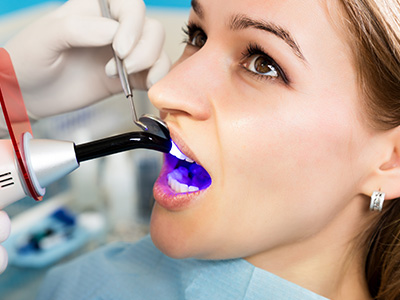
The bonding process involves applying a tooth-colored composite resin to the affected tooth. This material is carefully shaped and sculpted to match the natural contours of your smile. Once the desired shape is achieved, a special curing light is used to harden the material, bonding it securely to the tooth surface. The result is a smooth, polished finish that restores both function and appearance.
Because the material is color-matched to your natural teeth, cosmetic bonding blends in beautifully, making it virtually unnoticeable. The procedure is typically completed in a single visit, making it a convenient option for patients looking for fast yet effective improvements.
Cosmetic bonding is commonly used to correct minor imperfections that affect the appearance of teeth. It can repair small chips caused by everyday wear, close minor gaps between teeth, or improve the shape of uneven teeth. It is also effective for covering stains or discoloration that do not respond well to whitening treatments.
Unlike more extensive cosmetic procedures, bonding preserves most of the natural tooth structure. This makes it an appealing option for patients who want to enhance their smile while keeping treatment as minimally invasive as possible.
One of the main advantages of cosmetic bonding is its simplicity. The procedure is typically painless and does not require anesthesia in most cases. It is also one of the most cost-effective cosmetic dental treatments available, making it accessible to a wide range of patients.
Another benefit is its versatility. Cosmetic bonding can address multiple aesthetic concerns in a single visit, providing immediate improvements to the overall appearance of the smile. It is an excellent option for patients looking for quick enhancements without committing to more complex procedures.
While treatments like veneers or crowns may be recommended for more extensive cases, cosmetic bonding is ideal for minor to moderate imperfections. It offers a more conservative approach, requiring less alteration of the natural tooth structure. This makes it a great starting point for patients exploring cosmetic and general dentistry options.
In some cases, bonding may be combined with other treatments to achieve a more comprehensive smile transformation. A personalized evaluation helps determine the most appropriate approach based on your goals and oral health needs.
With proper care, cosmetic bonding can last several years. Good oral hygiene habits, regular dental visits, and avoiding habits such as nail-biting or chewing on hard objects can help extend the life of the bonded material. While it is durable, the composite resin may eventually need touch-ups or replacement over time.
At Studio Dental Center for Advanced Dentistry, patients receive guidance on how to maintain their results and keep their smile looking its best for as long as possible. Regular checkups also allow for monitoring and maintenance when needed.
Cosmetic bonding is an effective way to make meaningful improvements to your smile with minimal time and discomfort. It offers a balance of aesthetics, function, and affordability, making it a popular choice for patients seeking quick cosmetic enhancements. At Studio Dental Center for Advanced Dentistry, the focus is on delivering natural-looking results that enhance confidence while preserving the health and integrity of your teeth.


Cosmetic dental bonding is a conservative restorative technique that uses a tooth-colored composite resin to repair or reshape teeth. It addresses cosmetic issues such as small chips, minor cracks, irregular contours and localized discoloration. The procedure preserves most of the natural tooth structure and is often completed without extensive preparation.
Because the material bonds directly to enamel, it can restore both appearance and function quickly. Bonding can serve as a standalone cosmetic solution or as part of a broader treatment plan for smile enhancement. A dentist evaluates oral health and occlusion before recommending bonding to ensure predictable outcomes.
The bonding process begins with a careful cleaning and minimal surface preparation to create a secure bond. A mild etching solution or bonding agent is applied to roughen the enamel and promote adhesion. The dentist then layers a color-matched composite resin, shaping it by hand to replicate natural tooth contours.
Each layer is set with a curing light to harden the material before additional shaping and polishing. Final shaping and polishing produce a smooth, lifelike finish that blends with surrounding teeth. The entire appointment frequently fits into a single visit, reducing disruption to the patient's schedule.
Patients with small cosmetic concerns—such as minor chips, slight gaps, surface stains that resist whitening, or uneven tooth edges—are often good candidates for bonding. Ideal candidates have generally healthy gums and teeth with no active decay or significant structural damage. A comprehensive exam helps determine whether bonding alone will achieve the desired aesthetic outcome.
At Studio Dental Center for Advanced Dentistry, our team evaluates bite alignment, tooth wear and overall oral health before recommending bonding. When issues are more extensive, we may suggest alternatives or combine bonding with other conservative treatments for better long-term results. Patient goals and lifestyle factors also guide the treatment plan to ensure both esthetics and function are addressed.
The lifespan of bonded restorations varies based on the composite material, the location of the restoration, and oral habits. Bonded surfaces on front teeth that receive normal wear can last several years with proper care, while stress from chewing on hard objects can shorten longevity. Bruxism, frequent consumption of staining substances and poor oral hygiene all increase the risk of chipping, staining or early breakdown.
Regular dental checkups allow your dentist to monitor bonded areas and perform touch-ups or repairs when necessary to extend service life. Polishing and minor repairs are minimally invasive and can refresh the appearance without replacing the entire restoration. Open communication about changes in bite or sensitivity helps your clinician address issues before more extensive treatment is needed.
Maintain a routine of twice-daily brushing with a soft-bristled brush and daily flossing to remove plaque and prevent gum inflammation around bonded areas. Use nonabrasive fluoride toothpaste to avoid wearing the composite surface, and rinse with water after consuming staining beverages. Gentle cleaning preserves the polish and reduces the likelihood of surface staining or microabrasions.
Avoid habits that put unusual force on bonded teeth, such as chewing ice, biting fingernails or opening packages with your teeth. If you grind or clench your teeth, discuss protective options like a night guard to protect bonded restorations. Schedule routine exams and cleanings so your dental team can identify early wear and provide timely maintenance.
Composite resin is more prone to surface staining than natural enamel, so exposure to coffee, tea, red wine, tobacco and highly pigmented foods can alter its appearance over time. The degree of staining depends on hygiene, dietary habits and the polish achieved during placement. Regular professional cleanings and careful home care help minimize discoloration.
Unlike natural teeth, tooth whitening treatments do not alter the shade of composite restorations, so matched resin may need polishing or replacement to achieve a uniform color after bleaching. Minor surface stains can often be removed with polishing during a dental visit, while deeper discoloration may require replacement of the resin. Discuss staining concerns with your dentist before treatment so shade selection and maintenance are managed proactively.
Bonding is a conservative, minimally invasive option designed to correct small imperfections, while veneers and crowns typically involve more extensive alteration of tooth structure for durable esthetic or restorative purposes. Veneers are thin porcelain shells that cover the front surfaces of teeth and offer superior stain resistance and longevity in many cases. Crowns encase the entire tooth and are recommended when a tooth needs structural reinforcement in addition to esthetic improvement.
Because bonding preserves more natural tooth structure, it can be an excellent first-line solution for patients seeking quick improvements with minimal preparation. When longer-term durability or dramatic cosmetic changes are required, your dentist may recommend veneers or crowns after evaluating oral health and aesthetic goals. A personalized exam helps determine the most appropriate option based on function, appearance and long-term planning.
Bonding is generally comfortable and often performed without anesthesia because it usually involves only superficial tooth shaping and resin placement. When treatment is near a sensitive area or when existing decay must be removed first, a local anesthetic can be used to ensure patient comfort. Most patients experience little to no discomfort during and after the procedure, with any sensitivity typically resolving quickly.
Your dental team will discuss comfort measures and address any anxiety before treatment to create a relaxed experience. If you have a history of dental fear or need additional support, let the office know so they can tailor the visit to your needs. Monitoring for post-procedure sensitivity is part of follow-up care, and adjustments can be made if necessary.
Yes—bonding is commonly used to close minor diastemas, lengthen incisal edges and improve tooth symmetry through conservative reshaping. By sculpting composite material onto tooth surfaces, dentists can alter contour and proportions to create a more balanced smile. However, larger spacing or significant misalignment may be better addressed with orthodontic treatment before or instead of bonding.
A careful assessment of bite and jaw function determines whether reshaping will remain stable over time or if adjunctive treatment is needed. When combined with whitening or orthodontics, bonding can contribute to a comprehensive cosmetic plan that enhances overall results. Discussing your goals in detail helps the dentist map out an approach that prioritizes both esthetics and long-term oral health.
During a bonding consultation your dentist evaluates oral health, takes necessary images or intraoral scans and discusses your cosmetic goals and expectations in detail. The clinician will review options for shade selection, placement technique and how bonding integrates with any existing dental work. This visit also allows time to address questions about maintenance, possible limitations and the expected sequence of treatment.
To schedule a consultation at Studio Dental Center for Advanced Dentistry, call (954) 669-1469 or visit the office at 12150 W Sunrise Blvd, Plantation, FL 33323 for directions and appointment availability. Our team will help you plan an exam and review any records needed to determine whether bonding is the right choice for your smile. Bringing photos of smiles you admire can help guide shade and shape discussions during the consultation.
Ready to book your next dental visit or have questions about your care?
At Studio Dental Center for Advanced Dentistry, our team is here to make getting started simple and stress-free. Whether you call, email, or submit our online form, we’re happy to help with scheduling, treatment questions, or anything you need along the way. We take the time to listen and guide you through your options so you feel confident and informed at every step. Take the first step toward a healthier, more confident smile, reach out today and experience personalized care made easy.