At Studio Dental Center for Advanced Dentistry, we take a preventive-first approach to oral care. Routine oral exams are the foundation of a healthy smile: they let our team spot early changes, address minor problems before they escalate, and tailor a plan that fits your lifestyle and health needs. During these visits we combine hands-on examination with targeted diagnostic tools and practical guidance so patients leave with a clear understanding of their oral health and next steps.
Whether you visit for a child's first checkup, a yearly review, or a follow-up after treatment, our goal is the same: to protect function, comfort, and appearance while supporting long-term wellness. We perform thorough evaluations, professional cleanings, cancer screenings, and focused counseling on home care, diet, and habits that affect oral health.
The initial comprehensive exam is about gathering information and establishing a baseline. We begin with a careful review of your medical and dental histories, current medications, and any concerns or symptoms you may have noticed. This background helps us anticipate risks and adapt our exam to your specific needs.
Next, the clinical portion of the visit examines teeth, gums, soft tissues, jaw joints, and the bite. We screen for oral cancer, assess periodontal (gum) health, and evaluate TMJ function and wear patterns that may indicate clenching or grinding. Observing these areas together gives a fuller sense of how your mouth is working as a system.
Diagnostic images are recommended when they will add useful information—whether to evaluate a suspected problem or to document the starting point for long-term care. After the exam, we discuss findings in plain language and outline treatment priorities and options so you can make informed decisions. Our focus is on clear communication and realistic, evidence-based care plans.

Your mouth can reflect — and influence — health elsewhere in the body. During an oral exam we look for signs that may indicate systemic conditions: inflammation, unusual tissue changes, persistent dry mouth, or recurring infections. Identifying these patterns early allows us to coordinate care with your medical providers when appropriate.
A growing body of research highlights connections between oral disease and conditions such as cardiovascular disease, diabetes, respiratory infections, and complications in pregnancy. While oral exams do not diagnose these conditions, they can reveal warning signs that prompt further medical evaluation or closer dental monitoring.
Equally important is recognizing how medications, nutritional status, and lifestyle habits affect the mouth. We assess how dry mouth, diet, tobacco use, and other factors influence risk for decay, gum disease, and tissue changes. That holistic perspective helps us recommend practical strategies that support both oral and overall health.
Because the mouth often mirrors broader health trends, regular dental exams become an important part of preventive care. Early detection and prompt coordination with other healthcare providers can improve outcomes and reduce the need for more invasive treatment later.
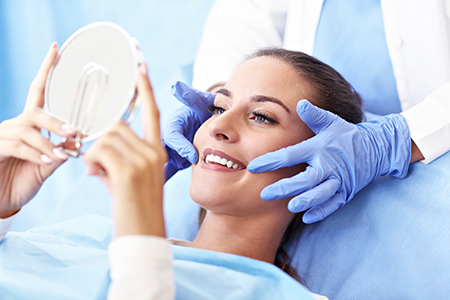
Routine checkups and professional cleanings are the most effective way to maintain a healthy mouth over time. Plaque and tartar accumulate in hard-to-reach places despite daily brushing and flossing; professional hygiene removes that buildup and reduces the bacterial load that causes cavities and gum inflammation.
We typically recommend interval exams based on each patient’s risk profile, but twice-yearly visits are common because they balance early detection with practical scheduling for most people. During these visits we update your exam, refresh preventive care, and verify that previously treated areas remain stable.
Checkups are also a practical opportunity for education. Our hygienists and clinicians demonstrate brushing and flossing techniques, discuss product choices, and offer personalized advice about diet and habits. For children and adolescents we monitor growth and development, identifying whether early orthodontic guidance might be beneficial as teeth and jaws mature.
Consistent, thoughtful preventive care reduces the likelihood of emergency visits and complex procedures. The aim is to keep your teeth healthy, comfortable, and functional at every stage of life.
While a careful visual exam reveals much, x-rays and other imaging methods let us examine structures beneath the surface. Radiographs show the roots of teeth, the condition of the bone that supports them, and areas of decay or infection that aren’t visible on the surface. This information leads to more accurate diagnoses and better treatment outcomes.
Modern digital radiography offers quicker images with lower radiation exposure than older film techniques. Digital images appear instantly on a screen, can be enhanced to highlight areas of concern, and are easy to store and share if coordination with specialists or medical providers is needed.
Beyond standard two-dimensional images, three-dimensional cone-beam CT (CBCT) imaging is available when complex anatomy or surgical planning requires greater detail. CBCT provides a volumetric view of the jaws, sinuses, and surrounding structures and is particularly useful for implant planning, evaluating impacted teeth, and assessing complicated cases.
When we recommend imaging, we explain what we hope to learn from the images and how the results will influence your care. Our goal is always to use the least invasive tools necessary to make sound clinical decisions.
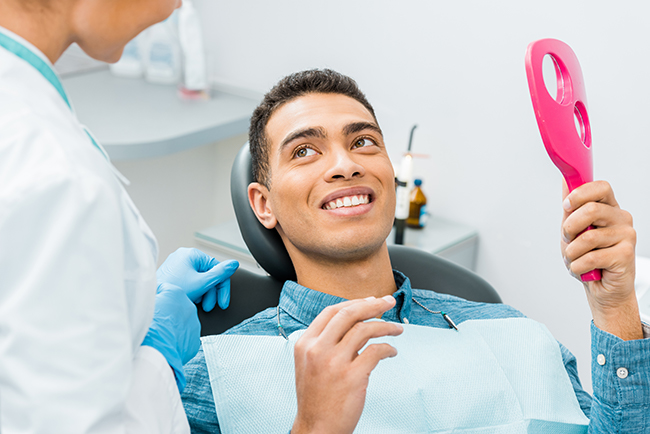
Different types of radiographs serve different clinical purposes. Your dentist will select the image that provides the clearest view for the question at hand while minimizing exposure. Common types include:
Periapical x-ray — A focused view of a single tooth from crown to root, used to evaluate root health, detect infections, and assess bone levels around the tooth.
Bitewing x-ray — Captures the upper and lower back teeth in a single view to reveal decay between teeth and monitor the height of the supporting bone.
Full mouth series — A comprehensive set of periapical and bitewing images that documents the condition of all teeth and surrounding structures when a detailed baseline is needed.
Panoramic film (panorex) — Provides a broad, two-dimensional overview of all the teeth and the jaws; helpful for assessing development, impacted teeth, and overall jaw health.
Cephalometric film — A profile view of the head used primarily in orthodontic assessment to evaluate jaw relationships and growth patterns.
When more detailed three-dimensional information is necessary, we may recommend CBCT imaging to visualize complex anatomy and plan precise treatments. Each imaging choice is made with the patient’s needs and safety in mind.
Together, careful exams, professional cleaning, and the appropriate diagnostic images form the backbone of preventive dentistry. By combining these elements, we detect problems early, preserve healthy tissue, and create treatment plans that are focused, effective, and respectful of each patient’s preferences.
If you'd like to learn more about what to expect during an oral exam or to discuss how we can support your long-term oral health, please contact us for more information.
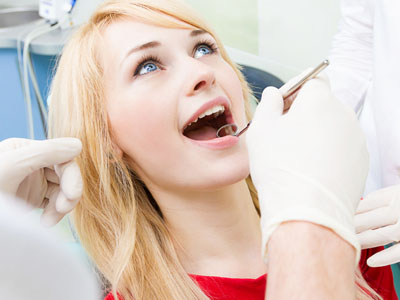

At Studio Dental Center for Advanced Dentistry the initial comprehensive exam focuses on gathering a complete medical and dental history and performing a systematic clinical evaluation. We examine teeth, gums, soft tissues, jaw joints, and your bite to identify signs of decay, gum disease, tissue changes, or functional problems. When indicated, the visit also includes recommended diagnostic images so the dentist can see beneath the surface and establish a clear baseline for future care.
After the clinical assessment we review findings in plain language and outline priorities and treatment options tailored to your needs and preferences. Preventive measures, home-care guidance, and a realistic schedule for follow-up are discussed so you leave with a clear plan. The goal is to create an evidence-based approach that preserves function and comfort while supporting long-term oral health.
Frequency of routine exams depends on individual risk factors such as gum health, history of cavities, dry mouth, medications, and systemic health conditions. Many patients benefit from twice-yearly visits because they balance early detection with practical scheduling, but your clinician may recommend a different interval based on your exam findings and risk profile. The interval is intended to catch developing problems early and to reinforce preventive care.
During each routine visit we update your exam, perform professional hygiene, and reassess any areas of concern so previously treated sites remain stable. Regular checkups also provide opportunities for education about brushing, flossing, diet, and habit changes that reduce future risk. Consistent monitoring helps avoid more invasive procedures down the road and supports overall oral-systemic wellness.
Oral exams play a role in whole-body health because the mouth often reflects systemic conditions and can influence overall wellness. Examinations screen for inflammation, unusual tissue changes, persistent dry mouth, and recurring infections that may warrant communication with medical providers. Identifying these patterns early supports coordinated care and may prompt further medical evaluation when appropriate.
Research links oral disease with conditions such as diabetes and cardiovascular disease, and an exam allows clinicians to spot warning signs that could affect medical management. We also evaluate how medications, nutrition, and lifestyle affect oral tissues and recommend practical strategies to reduce risk. Taking a holistic view helps patients maintain both oral health and general well-being over time.
In addition to a hands-on clinical exam, diagnostic tools include digital radiographs, intraoral cameras, and periodontal probes to document tissue health and detect hidden problems. Digital x-rays provide quick, lower-radiation images of tooth roots and supporting bone, while intraoral cameras help patients see areas of concern with magnified detail. For complex cases or surgical planning, three-dimensional cone-beam CT (CBCT) imaging may be recommended to reveal anatomy not visible on two-dimensional images.
We choose the least invasive tools needed to answer specific clinical questions and explain why each image or test is useful for diagnosing or planning care. Images and findings are reviewed with patients so treatment decisions are clear and evidence-based. Thoughtful use of diagnostic technology improves accuracy and helps tailor care to each patient’s needs.
Oral cancer screening is a standard part of a comprehensive exam and involves a careful visual and tactile inspection of the lips, tongue, cheeks, floor of the mouth, and throat. The clinician looks for persistent sores, unusual lumps, color changes, or areas that do not heal and may gently palpate neck and jaw tissues to detect enlarged lymph nodes. Any suspicious findings are documented and monitored closely or referred promptly for biopsy and medical evaluation when indicated.
Early detection improves outcomes, so we emphasize routine screening for all adult patients and heightened vigilance for those with risk factors such as tobacco use or a history of heavy alcohol use. Patients are encouraged to report new or persistent symptoms between visits so issues can be assessed quickly. Clear communication about next steps ensures that concerning findings are managed promptly and appropriately.
Modern digital radiography produces high-quality images with far lower radiation exposure than older film methods, and the benefits of diagnostic information generally outweigh the minimal risks when images are used judiciously. Your dentist selects the type of image—bitewing, periapical, panoramic, or CBCT—based on the specific clinical question, aiming to obtain the clearest view while minimizing exposure. We always explain why an image is recommended and how it will affect diagnosis or treatment planning.
Routine bitewings are useful for detecting decay between teeth, while periapical films evaluate individual tooth roots and surrounding bone. Panoramic images provide an overall view of the jaws and developing teeth, and CBCT offers three-dimensional detail when complex anatomy or surgical planning requires it. Each choice is tailored to the patient’s needs and safety considerations.
Periodontal assessment during an exam includes measuring pocket depths around the teeth, evaluating gum recession, checking for bleeding on probing, and observing the overall appearance and firmness of the tissues. These measurements help determine whether gum inflammation or bone loss is present and guide recommendations for preventive or periodontal therapy. For patients with early signs of gum disease we emphasize non-surgical treatment, rigorous hygiene, and targeted follow-up to halt progression.
When more advanced periodontal issues are identified, we discuss evidence-based treatment options and a timeline for care while coordinating with specialists if needed. Maintenance visits and hygiene appointments are scheduled according to disease severity to monitor healing and stability. Education about effective home care and risk factors such as tobacco use or certain medical conditions is an important part of long-term periodontal management.
A child’s first exam focuses on creating a positive, age-appropriate experience while establishing a dental baseline and assessing growth and development. The visit typically includes a gentle clinical exam, a discussion of home care and fluoride use, and guidance on pacifier or thumb habits when relevant. For infants and young children we also review feeding practices and developmental milestones that influence tooth eruption and oral health.
Early visits allow clinicians to identify potential alignment or eruption issues and recommend monitoring or early intervention when appropriate. We emphasize prevention, caries risk assessment, and parental education to build healthy habits that last a lifetime. Creating a comfortable environment helps children become familiar with dental care and reduces anxiety for future visits.
During the exam we look for signs of tooth wear, fractured restorations, muscle tenderness, limited jaw opening, or joint sounds that may indicate bruxism or temporomandibular joint (TMJ) dysfunction. A careful occlusal and functional evaluation helps identify contributing factors such as bite misalignment, parafunctional habits, or stress-related clenching. When these issues are present, conservative measures—night guards, occlusal adjustments, behavioral strategies, and targeted therapies—are discussed as first-line options.
If symptoms are severe or do not respond to initial care, we coordinate with specialists and consider imaging or more advanced diagnostic testing to clarify the cause. The emphasis is on stabilizing function, reducing pain, and protecting teeth from further damage while pursuing the least invasive effective treatments. Clear follow-up plans ensure symptoms are monitored and managed over time.
To prepare for an oral exam bring an up-to-date list of medications, any recent medical diagnoses or treatments, and information about symptoms you have noticed in your mouth. If you have dental records, recent images, or a list of questions, bringing those helps the clinician understand your history and address specific concerns efficiently. Arriving with a general sense of your oral-care routine and any habits that affect your teeth will support a productive discussion during the visit.
If you experience anxiety about dental visits, let the office know in advance so the team can explain options that increase comfort and reduce stress. For patients with medical conditions or special needs, alerting staff ahead of time ensures the appointment is planned safely and appropriately. Clear communication and preparedness help make the exam thorough and focused on your individual health goals.

Ready to book your next dental visit or have questions about your care?
At Studio Dental Center for Advanced Dentistry, our team is here to make getting started simple and stress-free. Whether you call, email, or submit our online form, we’re happy to help with scheduling, treatment questions, or anything you need along the way. We take the time to listen and guide you through your options so you feel confident and informed at every step. Take the first step toward a healthier, more confident smile, reach out today and experience personalized care made easy.