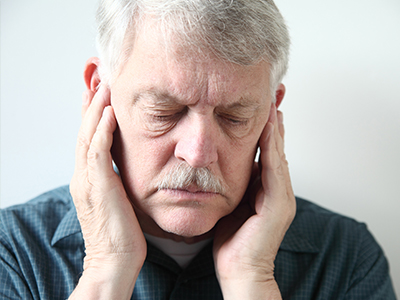
Temporomandibular joint disorders (often called TMJ disorders or TMD) are a common source of persistent jaw and facial pain. Research from the National Institute of Dental and Craniofacial Research (NIDCR) indicates millions of people in the United States experience some form of TMJ-related symptoms during their lives. While many cases are manageable with conservative care, timely recognition and a thoughtful treatment approach can prevent long-term dysfunction and improve quality of life.
The temporomandibular joints connect the lower jaw (mandible) to the temporal bones of the skull on both sides of the head. Each side contains a rounded condyle that sits in a shallow cavity, with a fibrocartilaginous disc between the bones that helps absorb force and guide smooth movement. Because the joint must accommodate both hinge-like opening and closing as well as forward, backward, and side-to-side sliding motions, it functions differently from most other joints in the body.
The joint is supported by a network of muscles, ligaments and tendons that control chewing, speaking and facial expression. Small changes in how teeth come together (occlusion), muscle tension, or the position of the disc can alter the mechanics of the joint and create stress in surrounding tissues. This interplay of bones, soft tissue and dental alignment is why TMJ problems can produce diverse symptoms and why assessing the whole system is important.
Because the TMJ is involved in every bite and most daily facial movements, it is especially vulnerable to repetitive strain and to injury from a single traumatic event. Understanding the joint’s anatomy is the first step in identifying the likely sources of pain and dysfunction and in developing a targeted plan to restore comfortable movement.
TMJ disorders rarely have a single cause. Some people develop symptoms after a jaw injury, while others report a gradual onset related to long-term clenching or teeth grinding (bruxism). Joint degeneration, inflammatory conditions such as rheumatoid arthritis, and structural differences in the bite can also contribute. Often, several factors interact to trigger symptoms.
Stress and sleep-related habits can increase muscle tension around the jaw and face, elevating the risk of myofascial pain. Repeated overuse from behaviors like chewing gum, biting nails, or frequently biting hard foods may compound the issue. For people with certain types of arthritis, inflammatory changes within the joint itself can produce pain, stiffness and progressive wear.
It’s also helpful to remember that symptoms do not always reflect severity of structural changes. Some individuals have significant imaging findings with minimal discomfort, while others experience intense pain from relatively subtle mechanical disturbances. That variability is why a personalized evaluation is critical when symptoms appear.
TMJ disorders can produce a wide range of signs depending on whether the muscles, the joint surfaces, or the disc are most affected. Common complaints include jaw pain or soreness, especially when chewing or yawning, and audible noises like popping, clicking or grating during movement. Some people experience episodes of the jaw “locking” open or closed, or a limited ability to open the mouth fully.
Headaches and ear-related sensations—such as fullness, ringing (tinnitus) or ear discomfort—are frequently reported with TMJ dysfunction because of the close anatomical relationships and shared nerve pathways. Neck and upper back tension, facial aching, and a sense of uneven bite or tooth sensitivity can also accompany a TMJ condition.
Because symptoms overlap with other conditions (sinus problems, dental pain, or primary headaches), careful assessment helps distinguish TMJ-related causes. If jaw pain is recurring, getting worse, or interfering with daily activities like eating and speaking, a professional evaluation is recommended to determine the underlying drivers.
A comprehensive clinical examination is the foundation of diagnosis. The dental provider will review your medical and dental history, observe jaw motion, listen for joint sounds, and palpate muscles for areas of tightness or tenderness. Attention to how the teeth fit together and to patterns of wear or damage can provide important clues about functional stressors.
When needed, imaging helps clarify the picture. Standard dental X-rays, panoramic radiography, and cone beam computed tomography (CBCT) reveal bone structure and alignment, while magnetic resonance imaging (MRI) is often the best tool to evaluate the soft disc and surrounding soft tissues. Imaging is used selectively—guided by clinical findings—to avoid unnecessary tests and to target treatment planning.
In some cases, your provider may coordinate care with other specialists—such as an ear, nose and throat (ENT) physician, a physical therapist, or a pain specialist—especially when symptoms overlap with other health issues. The goal is a precise diagnosis that informs a stepwise plan, starting with conservative measures and progressing only if needed.
Many TMJ problems improve with conservative, noninvasive therapies. Simple self-care strategies can reduce strain and allow tissues to recover: adopt a soft-food diet temporarily, avoid wide yawning or chewing gum, practice relaxation and jaw-stretching exercises as instructed, and apply cold or warm packs to ease muscle tension. Short-term use of over-the-counter anti-inflammatory medications may also be recommended when appropriate by your health provider.
Oral appliances—such as stabilization splints or night guards—are commonly used to reduce grinding and reposition the jaw for more comfortable function. These devices are custom-fitted and intended to protect teeth while providing a more favorable environment for the joint to heal. In addition, targeted physical therapy and manual therapies can reduce muscle spasm and improve range of motion for many patients.
For persistent or complex cases, further interventions may be considered, including prescription medications for muscle relaxation or inflammation, targeted joint injections, or restorative dental work to address bite-related contributors. Surgery is rarely the first option and is reserved for specific structural problems that do not respond to conservative care. Throughout treatment, the emphasis is on minimizing invasive steps, monitoring response closely, and tailoring care to the individual’s needs.
At Studio Dental Center for Advanced Dentistry, the clinical team works to combine careful diagnosis with evidence-based therapies to help patients regain comfortable jaw function. We focus on conservative, patient-centered strategies first, escalating treatment only when clearly necessary.
If you’re experiencing recurring jaw pain, popping, limited opening or related headaches, a clinical evaluation can identify the cause and outline practical next steps. Contact us for more information and to learn how we can help you find relief and restore healthy jaw movement.


Temporomandibular joint disorders, commonly called TMJ disorders or TMD, refer to a group of conditions that affect the jaw joints, the disc between joint surfaces, and the muscles that control jaw movement. These disorders arise when normal joint mechanics are disrupted by injury, repetitive strain, inflammation, degeneration, or changes in how the teeth meet. Because the temporomandibular joint must perform both hinge and sliding motions, even small alterations in muscle tension or disc position can produce pain and functional limitations.
Onset can be sudden after trauma or gradual from long-term habits such as clenching, grinding, or repetitive chewing. Medical conditions like arthritis or systemic inflammation may also change joint structure over time, and multiple factors often interact to produce symptoms. Recognizing early signs and understanding contributing factors helps guide a conservative, stepwise approach to care.
Seek an evaluation if you notice persistent jaw pain, aching around the ears, difficulty opening or closing your mouth, or audible joint noises such as popping or grinding during movement. Other common signs include frequent headaches, a sense of uneven bite, tooth sensitivity without clear dental decay, and episodes of the jaw locking open or closed. Symptoms that interfere with eating, speaking, sleeping, or daily activities warrant prompt assessment by a dental professional.
Because TMJ symptoms overlap with other conditions like sinus disease, primary headache disorders, and ear problems, a clinical examination is important to identify the true source of pain. Early evaluation can prevent unnecessary progression of dysfunction and allows conservative measures to be implemented before structural changes become more complex. If you notice worsening symptoms or new neurological signs such as numbness or significant swelling, seek timely professional care.
Diagnosis begins with a comprehensive history and physical examination that assesses jaw motion, listens for joint sounds, and palpates muscles for tightness or tenderness. The provider evaluates how your teeth fit together, looks for patterns of wear or dental damage, and reviews medical and sleep histories that might influence muscle tension or inflammation. A careful exam helps distinguish muscle-based pain from joint-based problems and identifies potential contributing habits like bruxism.
When indicated, imaging supplements the clinical assessment: panoramic X-rays and cone beam computed tomography (CBCT) clarify bony anatomy, while magnetic resonance imaging (MRI) provides detailed views of the disc and surrounding soft tissues. Imaging is used selectively based on findings and is intended to inform treatment planning rather than as a routine screening tool. Providers may also coordinate with ENT physicians, physical therapists, or pain specialists when symptoms cross disciplines or fail to respond to initial care.
Most TMJ problems improve with conservative, noninvasive therapies that focus on reducing strain and promoting tissue recovery. Common first-line measures include a soft-food diet, avoiding wide yawning and gum chewing, short-term use of anti-inflammatory medications when appropriate, targeted jaw-stretching exercises, application of warm or cold packs, and strategies to reduce daytime clenching. Education about habit modification and stress reduction often plays a central role in decreasing muscle tension.
In-office interventions such as custom-fitted stabilization splints or night guards can protect teeth and modify jaw position while tissues heal. Physical therapy, including manual techniques, posture correction, and therapeutic exercises, frequently improves range of motion and reduces myofascial pain. The focus is to monitor response to these conservative steps and escalate care only when necessary, tailoring interventions to each patient’s clinical picture.
Oral appliances are most helpful when tooth grinding, clenching, or certain bite relationships contribute to increased joint or muscle stress. A custom-made stabilization splint or night guard provides a protective surface that reduces tooth wear, can redistribute occlusal forces, and may help relax hyperactive jaw muscles during sleep. These devices are fitted to the individual and adjusted to ensure comfort and effective function rather than relying on over-the-counter alternatives.
Appliances are typically part of a broader conservative plan and are not a standalone cure for all TMJ conditions; they work best when combined with behavior modification, physical therapy, and management of contributing medical factors. Regular follow-up is important to assess the appliance’s effect and to make modifications if symptoms persist or change. If appliance therapy does not provide sufficient relief, further evaluation for other targeted treatments is appropriate.
Physical therapy aims to reduce muscle spasm, improve joint mobility, and correct postural or movement patterns that perpetuate pain. A trained therapist uses manual techniques, soft tissue work, therapeutic exercises, and posture training to address muscle imbalances in the jaw, neck, and upper back. These interventions can decrease referred pain, enhance functional range of motion, and minimize the frequency of symptom flare-ups.
Home exercise programs are a key component of sustained improvement and typically include gentle stretching, controlled opening and closing motions, and strategies for relaxing the jaw muscles during daily activities. Consistent practice of learned techniques, combined with ergonomic and sleep habit adjustments, helps reinforce gains made in therapy sessions and reduces the likelihood of recurrence. Providers often coordinate exercise plans with dental appliance use and other conservative measures for a comprehensive approach.
Dental occlusion, or how the teeth come together, influences jaw mechanics because bite relationships affect the position and loading of the temporomandibular joints. Missing teeth, uneven restorations, or significant changes in occlusion can alter force distribution and muscle activity, potentially contributing to joint strain or discomfort. However, occlusion is one of several interacting factors and is rarely the sole cause of TMJ pain.
When a bite relationship appears to contribute to symptoms, restorative dentistry or occlusal adjustments may be considered as part of a targeted treatment plan. Any dental work aimed at modifying occlusion should follow a careful diagnostic process and often be coordinated with conservative therapies first. The goal is to correct clear mechanical contributors while avoiding unnecessary irreversible procedures.
Referral to a specialist or use of advanced imaging is recommended when conservative care has not produced expected improvement, when clinical examination suggests significant structural joint pathology, or when symptoms include atypical features such as neurological deficits or progressive joint degeneration. MRI is the preferred modality for evaluating the articular disc and soft-tissue structures, while CBCT is helpful for assessing bony anatomy and joint alignment. Specialists such as oral and maxillofacial surgeons, orofacial pain dentists, ENT physicians, and pain management clinicians contribute additional expertise when cases are complex.
Decisions about advanced testing and referrals are individualized and guided by clinical findings to avoid unnecessary procedures. Collaboration among providers helps ensure a coordinated plan that addresses mechanical, muscular, and systemic contributors to pain. When surgery or invasive interventions are considered, a thorough multidisciplinary evaluation helps determine the most appropriate and evidence-based path forward.
Yes. Practical lifestyle adjustments can significantly reduce TMJ strain and lower the frequency of painful episodes. Recommendations commonly include adopting a soft-food diet during flare-ups, avoiding gum and hard or chewy foods, practicing regular jaw relaxation techniques, maintaining good posture to reduce neck and upper-back tension, and addressing stress through relaxation or sleep-improvement strategies. Limiting activities that encourage forward head posture or repetitive jaw use also helps protect joint tissues.
Habits such as nail biting, ice chewing, or leaning on the chin should be identified and replaced with alternative behaviors that do not load the jaw. For people who grind or clench during sleep, combining lifestyle changes with a custom night guard and stress management often produces the best results. Consistency with these measures and early attention to new symptoms are key to long-term control.
The practice emphasizes a conservative, evidence-based approach that begins with a careful diagnostic evaluation to identify whether the muscles, joint surfaces, disc, or dental occlusion are primary contributors to symptoms. Initial management focuses on noninvasive strategies—education, habit modification, home exercises, thermal therapy, and custom oral appliances—while using imaging selectively to clarify complex cases. This stepwise plan aims to relieve pain, restore function, and minimize unnecessary invasive procedures.
When interdisciplinary care is needed, the team coordinates with physical therapists, ENT specialists, pain management clinicians, or oral surgery colleagues to ensure comprehensive treatment. Follow-up and ongoing reassessment allow care to be tailored to each patient’s response, and the emphasis remains on long-term function and comfort rather than quick fixes. If you have recurring jaw pain or functional concerns, a clinical evaluation can identify practical next steps toward relief.

Ready to book your next dental visit or have questions about your care?
At Studio Dental Center for Advanced Dentistry, our team is here to make getting started simple and stress-free. Whether you call, email, or submit our online form, we’re happy to help with scheduling, treatment questions, or anything you need along the way. We take the time to listen and guide you through your options so you feel confident and informed at every step. Take the first step toward a healthier, more confident smile, reach out today and experience personalized care made easy.