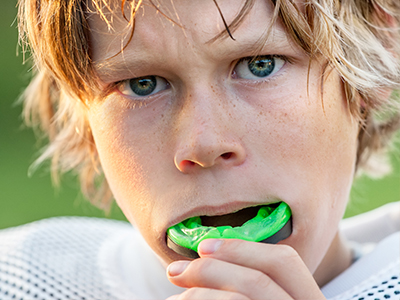
Sports and recreational activities are a major source of dental and facial injuries. Collisions, falls, and impact from equipment can damage teeth, lips, cheeks, the tongue, and even the jaw. Wearing a properly designed mouthguard dramatically lowers the likelihood of these injuries and helps preserve both oral function and appearance after an accident.
Beyond the immediate protection for teeth, mouthguards can reduce the risk of soft-tissue cuts and lessen the force transmitted to the jaw and surrounding structures. For athletes who play close-contact or high-speed sports—such as football, hockey, lacrosse, soccer, and skateboarding—the difference between wearing a mouthguard and not wearing one can be the difference between a minor bruise and a dental emergency.
Education and consistent use are as important as the device itself. Patients and caregivers should understand that mouthguards are preventive tools: when used correctly they protect long-term oral health and can avoid complex restorative treatments later. Our office emphasizes prevention as part of comprehensive care, and mouthguards are one of the simplest, most effective protective measures available.
There are three common categories of sports mouthguards on the market, each offering different levels of protection and fit. Stock mouthguards are pre-formed and ready to wear straight from the package; they are the most basic option and are often bulky with a looser fit. Boil-and-bite guards soften in hot water and are molded to the mouth for a somewhat improved fit. Finally, custom-fabricated mouthguards are made by a dental professional from impressions of your teeth and provide the most precise fit and comfort.
Each option has trade-offs that matter depending on the athlete’s age, the sport’s risk level, and any dental appliances present—such as braces. Stock guards may be suitable for casual activities but often don’t seat securely, which can reduce protection and hinder breathing or speech. Boil-and-bite models deliver better retention, but fit can remain imperfect and they may need frequent replacement as the mouth changes.
Custom mouthguards, created by a dentist, are tailored to your mouth’s exact contours. That precise fit improves protection, comfort, and communication on the field. For athletes with orthodontic appliances or complex dental work, a custom solution can be adapted to accommodate those needs while maintaining safety and function.
Any player participating in a sport with a risk of collision, falls, or projectiles should consider wearing a mouthguard. Organized sports with mandated protective equipment typically include mouthguard requirements, but even recreational play—pick-up games, community leagues, and solo activities like skateboarding—presents real risk. Parents and coaches should encourage consistent use across all levels of play to reduce preventable injuries.
Young athletes and those with mixed dentition (a combination of baby and permanent teeth) are especially vulnerable because a single impact can disrupt developing teeth or alter jaw growth. Similarly, individuals wearing braces or other orthodontic devices are at higher risk for soft-tissue injuries from brackets and wires, so a well-fitting mouthguard becomes doubly important in those cases.
Beyond organized athletics, mouthguards are also useful for high-risk recreational pursuits—biking, martial arts, trampoline use, and winter sports like snowboarding. The guiding principle is straightforward: if there is a realistic chance of contact that could affect the mouth or face, a mouthguard is a smart precaution.
Custom-fitted mouthguards are produced from an impression or digital scan of the patient’s teeth and bite. Because they conform precisely to individual anatomy, these devices distribute impact forces more effectively, stay securely in place during sudden movement, and allow clearer speech and easier breathing. These practical benefits help athletes keep the guard in place consistently, which is a crucial part of injury prevention.
For patients undergoing orthodontic treatment, those with missing or restored teeth, or anyone with unique bite characteristics, a custom mouthguard can be specifically adapted to accommodate those conditions. The fabrication process also allows for choices in thickness, materials, and coverage—factors that influence comfort and the level of protection for particular sports and roles.
Getting a custom mouthguard is a collaborative process between the patient and the dental team. At your appointment, impressions or scans are taken, the bite relationship is evaluated, and the guard is crafted to meet both protective and comfort goals. A well-made custom guard typically requires fewer adjustments and provides a longer-lasting, higher-quality fit than over-the-counter alternatives.
Maintaining a mouthguard properly extends its useful life and ensures it continues to perform as intended. Rinse the device with cool water after each use, gently brush it with a soft toothbrush and mild soap, and store it in a ventilated container to prevent bacterial growth. Never leave a mouthguard in direct sunlight, hot water, or a hot car, as heat can warp the material and compromise fit.
Regular inspection is essential. Look for signs of wear such as thinning, tears, or changes in shape, and check that the guard still seats comfortably and securely. For growing children and teenagers, periodic re-evaluation is important because tooth eruption and jaw growth can quickly change the fit of a guard. Patients with orthodontic appliances should have more frequent checks to confirm ongoing protection and fit.
When a mouthguard shows visible damage, becomes loose, or no longer fits properly, it’s time to replace it. A compromised guard can provide a false sense of security and may not absorb impact effectively. Your dental team can recommend replacement intervals or create a new custom guard when necessary to maintain optimal protection.
In summary, mouthguards are a simple but powerful way to protect teeth, soft tissues, and the jaw during athletic and recreational activities. Selecting the right type—and ensuring proper fit and care—makes a meaningful difference in reducing sports-related dental injuries. At Studio Dental Center for Advanced Dentistry, our focus on prevention and individualized care means we’re available to discuss the best mouthguard option for your needs. Contact us for more information or to schedule an evaluation so you and your family can stay active with added confidence.


Sports mouthguards are removable devices worn over the teeth to absorb and distribute impact forces during athletic activity. They protect teeth, lips, cheeks and the tongue from direct blows and help reduce the risk of fractured or avulsed teeth. By cushioning the jaw, a properly fitting guard can also lessen force transmitted to the temporomandibular joints and surrounding facial structures.
Beyond immediate trauma prevention, mouthguards reduce the chance of soft-tissue lacerations and can limit the severity of dental emergencies that require complex restorative care. Consistent use is a key component of injury prevention in both organized and recreational sports. Education about fit and proper wear helps athletes maintain protection during practices and games.
There are three main categories of mouthguards: stock, boil-and-bite and custom-fitted. Stock guards are preformed and ready to wear but tend to be bulky and offer the least secure fit. Boil-and-bite guards are softened in hot water and pressed to the teeth for a better fit, though retention and comfort can vary.
Custom-fitted mouthguards are fabricated from impressions or digital scans by a dental professional and provide the most precise fit, comfort and protection. Material thickness, coverage and design options can be tailored for specific sports and positions. Choosing the right type depends on the athlete's age, level of play and any dental appliances in place.
Any person participating in activities with a realistic risk of collision, falls or impact to the face should wear a mouthguard. Organized contact sports such as football, hockey and lacrosse commonly require them, but recreational pursuits like skateboarding, cycling and martial arts also present meaningful risk. Coaches, parents and athletes should view mouthguards as routine protective equipment, used in practices as well as games.
Young athletes and those with mixed dentition are particularly vulnerable because a single blow can affect developing teeth and jaw growth. People wearing braces or other orthodontic appliances have a higher risk of soft-tissue injury and benefit from a guard designed to accommodate hardware. Consistent use across all levels of activity greatly reduces preventable dental injuries.
Custom-fitted mouthguards are made from an impression or digital scan of the patient’s teeth and bite, allowing them to conform closely to individual anatomy. That precise fit improves retention so the device stays in place during sudden movement, and it helps distribute impact forces more evenly across the dental arch. Better fit also supports clearer speech and more efficient breathing, which encourages athletes to wear the guard consistently.
Custom fabrication permits adjustments for thickness, material type and coverage to match the needs of a particular sport or playing position. For athletes with orthodontic appliances, missing teeth or restorative work, a custom guard can be adapted to preserve protection and comfort. Overall, custom devices typically require fewer adjustments and provide longer-lasting, higher-quality protection than over-the-counter alternatives.
The custom mouthguard process generally begins with impressions or a digital scan of the teeth and an assessment of the patient’s bite and athletic needs. The laboratory or in-office fabrication uses those records to create a device that matches the contours of the mouth and the desired level of thickness and coverage. Technicians may laminate multiple layers of material to balance protection, flexibility and comfort.
At the appointment you can expect a brief evaluation, the taking of impressions or scans, and a discussion about sport-specific requirements and any orthodontic considerations. When the guard is ready, the dental team checks fit and makes any needed adjustments so the device seats securely and allows normal breathing and speech. If fit changes occur later, follow-up visits allow modifications or replacement as needed at the recommendation of the dental team at the office of Studio Dental Center for Advanced Dentistry.
Proper care extends the life and performance of a mouthguard and reduces bacterial growth. Rinse the device with cool water immediately after each use, gently brush it with a soft toothbrush and mild soap, and allow it to air dry before storing it in a ventilated container. Avoid exposing the guard to high heat, direct sunlight or hot water, which can warp the material and compromise fit.
Do not share mouthguards between athletes, and inspect the device frequently for signs of wear such as thinning, tears or distortion. Clean the storage case regularly and bring the guard to dental visits so the team can check fit and hygiene. Following straightforward care steps helps maintain protection and comfort throughout the guard’s serviceable life.
A mouthguard should be replaced if you notice visible damage such as cracks, tears, thinning areas or persistent warping that prevents a secure fit. If the guard feels loose, shifts during activity or causes new discomfort, it may no longer provide effective protection and likely needs replacement. Changes in bite, tooth position or the fit of orthodontic appliances are other reasons to evaluate a guard more frequently.
Children and adolescents require more frequent reassessment because eruption and jaw growth can alter fit rapidly. A compromised guard can give a false sense of security and may fail to absorb impact as intended, so prompt replacement is important. Your dental team can advise on appropriate timelines and fabricate a new custom guard when indicated.
Yes. Athletes with braces, clear aligners or restorative dental work can and should wear a protective mouthguard, but the design needs to account for those appliances. Brackets and wires increase the risk of soft-tissue injury, so a properly adapted guard helps shield lips and cheeks from contact with orthodontic hardware. Off-the-shelf guards may not fit reliably over appliances, which can reduce protection and comfort.
Custom-fitted mouthguards are particularly beneficial for patients with orthodontics because they can be made to accommodate brackets and changing tooth positions. The dental team evaluates the current state of appliances and recommends a solution that balances retention, coverage and safety. Regular monitoring ensures the guard continues to fit as treatment progresses.
A well-fitting mouthguard should have minimal impact on breathing and speech, allowing athletes to perform without significant interference. Stock and poorly fitting boil-and-bite devices can be bulky and may impair airflow or clear communication, which reduces the likelihood of consistent use. Custom guards are contoured to the mouth, which helps preserve natural breathing patterns and clearer speech during play.
Comfort and minimal interference are important for athlete compliance, so selecting a guard that balances protection and function improves real-world effectiveness. Coaches and clinicians should prioritize proper fit and athlete education so protective equipment does not become a hindrance. When athletes can breathe and communicate normally, they are more likely to wear the guard consistently and benefit from its protection.
To obtain a custom sports mouthguard in Plantation, schedule an evaluation with a dental provider who offers fabrication from impressions or digital scans. Bring information about the sport you play, any helmet or facegear you use and details about orthodontic appliances or recent dental work so the team can design an appropriate guard. During the visit the clinician will assess your bite, take records and discuss material and thickness preferences for the level of play.
Fabrication and delivery commonly take a few days to a couple of weeks depending on scheduling and laboratory workflows, after which a final fit appointment ensures comfort and retention. For personalized guidance and fitting in Plantation, contact Studio Dental Center for Advanced Dentistry to arrange an evaluation and discuss sport-specific protection recommendations. Regular rechecks help maintain fit and protection as needs evolve.

Ready to book your next dental visit or have questions about your care?
At Studio Dental Center for Advanced Dentistry, our team is here to make getting started simple and stress-free. Whether you call, email, or submit our online form, we’re happy to help with scheduling, treatment questions, or anything you need along the way. We take the time to listen and guide you through your options so you feel confident and informed at every step. Take the first step toward a healthier, more confident smile, reach out today and experience personalized care made easy.