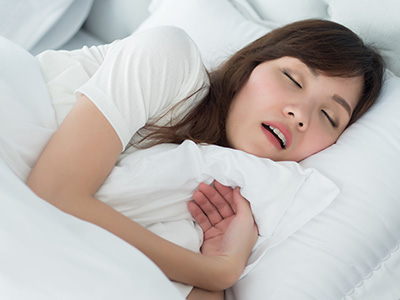
Snoring is more than an occasional annoyance — it’s a physical sound produced when the tissues at the back of the throat vibrate as air moves through during sleep. Nearly everyone snores from time to time, but for some people snoring happens nightly and can interfere with rest for both the sleeper and their bed partner. Understanding the mechanics of snoring is the first step toward quieter, more restorative sleep.
Research estimates that tens of millions of adults in the United States snore on a regular basis. While many of those people are “primary” snorers who experience loud breathing without other health complications, snoring can also be a symptom of sleep-disordered breathing such as obstructive sleep apnea. That’s why a careful evaluation is important — it helps separate simple snoring from conditions that require medical treatment.
Multiple factors influence how air flows through the nose and throat during sleep. Anatomy, muscle tone, sleeping position and certain substances that relax airway muscles all play a role. Identifying the contributors to an individual’s snoring helps guide treatment choices and improve outcomes for sleep quality and daytime energy.
Snoring typically arises when normal airflow meets resistance. For some people that resistance is structural — a deviated septum, nasal polyps, enlarged tonsils or a naturally narrow airway can make quiet breathing difficult. For others, the problem is functional: muscles that keep the airway open simply relax too much during sleep. Both situations increase the chance that soft tissues will vibrate and produce sound.
Sleep position and lifestyle factors amplify these physical predispositions. Lying on the back allows gravity to pull the tongue and soft palate toward the throat, narrowing the passage for air. Alcohol and certain sedating medications reduce muscle tone in the upper airway, making vibration more likely. Even short-term sleep deprivation can exacerbate snoring by altering normal breathing patterns and reducing airway stability.
Because so many elements can combine to produce snoring, effective treatment is usually individualized. A professional assessment looks at anatomy, sleep history and daytime symptoms to determine whether the issue is simple snoring or part of a more serious breathing disorder that requires medical monitoring or interdisciplinary care.
Oral (or mandibular advancement) appliances offer a conservative, noninvasive option for many people who snore. Worn like a retainer or mouthguard during sleep, these devices reposition the lower jaw and tongue slightly forward to enlarge the upper airway. By creating more space behind the tongue and stabilizing soft tissues, they reduce the vibrations that cause snoring and help improve airflow.
Unlike bulky or invasive interventions, a custom-made appliance is removable and designed for comfort. Its therapeutic effect depends on precise fit and calibrated advancement so the jaw is moved far enough to open the airway but not so far as to cause persistent jaw or tooth problems. That balance is why custom fabrication and professional oversight are important.
For many patients, oral appliances are an attractive treatment because they are quiet, portable and easy to use. They can be particularly useful for people who cannot tolerate CPAP or who need a straightforward solution for snoring that does not involve surgery.
Not everyone who snores is an ideal candidate for an oral appliance, so a careful clinical evaluation is essential. Good candidates are typically adults whose snoring is not accompanied by signs of severe sleep apnea — such as excessive daytime sleepiness, witnessed long pauses in breathing at night, or specific cardiovascular concerns. Providers will also assess dental health, jaw function and bite alignment, since these factors influence the safety and effectiveness of an appliance.
People with a reasonably healthy set of teeth and no active periodontal disease often adapt well to appliances. Those with temporomandibular joint (TMJ) disorders or significant dental instability may need alternate approaches. In some cases, collaboration with a sleep medicine specialist is recommended to rule out obstructive sleep apnea or to arrange a sleep study before proceeding.
A thorough discussion with a dental provider helps set realistic expectations. An appliance can significantly reduce or eliminate snoring for many patients, but it is part of a larger strategy that may include positional therapy, nasal treatments, or lifestyle modifications when appropriate.
The process begins with a focused evaluation of breathing patterns, dental health and jaw mechanics. Your provider will ask about sleep habits, partner observations, daytime alertness and any medical history that could affect treatment. If there’s concern for sleep apnea, a referral for a sleep study may be made to ensure safe, effective care.
If an oral appliance is recommended, the next step is a precise impression or digital scan of the teeth. This allows a dental laboratory to craft a custom device that fits closely and distributes forces evenly. Customization is important: an off-the-shelf option can be less comfortable and less effective, and it may increase the risk of tooth or jaw pain.
After the appliance is delivered, an adjustment period is normal. Initial follow-up visits help fine-tune the degree of jaw advancement to maximize airway opening while minimizing jaw strain. Periodic checkups ensure the device fits well, protects dental structures, and continues to reduce snoring effectively. Long-term follow-up also monitors for changes in bite or dental wear so any issues can be addressed promptly.
Many practices provide clear instructions for nightly use and cleaning, and they track progress through patient feedback and, when appropriate, objective sleep assessments. This structured approach helps produce reliable, lasting results while protecting oral health.
An oral appliance is often most effective when paired with sensible lifestyle modifications. Weight management, addressing nasal congestion, avoiding alcohol close to bedtime and establishing consistent sleep schedules all support airway stability. Changing sleep position — for example, using positional strategies to discourage back-sleeping — can further reduce snoring for some people.
Addressing nasal issues can be especially helpful, since improved nasal breathing reduces the negative pressure that can collapse the throat. Simple measures like treating allergies, using saline rinses, or consulting an ENT for structural nasal concerns may make a meaningful difference when used alongside an appliance.
Because sleep health reflects multiple systems, a coordinated plan that considers both device therapy and lifestyle factors often produces the best outcomes. Collaborative care between dental providers, sleep medicine specialists and primary care clinicians ensures that underlying conditions are recognized and treated appropriately.
In short, custom snoring appliances are an effective, patient-friendly option for many adults who want a noninvasive way to reduce nocturnal noise and improve sleep quality. If you’d like to learn whether this approach might be right for you, contact Studio Dental Center for Advanced Dentistry to discuss a comprehensive evaluation and next steps.


A snoring appliance, often called a mandibular advancement device, is a custom oral device worn during sleep to reduce airway vibration that causes snoring. It repositions the lower jaw and tongue slightly forward to enlarge the space behind the tongue and stabilize soft tissues in the upper airway. By improving airflow and reducing tissue vibration, the device often lowers the volume and frequency of snoring.
These appliances are removable and resemble a fitted retainer or mouthguard, which makes them a conservative alternative to more invasive options. Their effectiveness depends on precise fit and calibrated advancement so the jaw is moved enough to open the airway without causing persistent jaw strain. Professional fabrication and follow-up adjustments help ensure the device balances comfort with therapeutic benefit.
Ideal candidates are adults who snore regularly but do not show signs of severe obstructive sleep apnea, such as extreme daytime sleepiness, witnessed long breathing pauses, or significant cardiopulmonary disease. A clinical evaluation will assess dental health, jaw function, and sleep history to determine suitability for an oral appliance. People with a stable set of teeth and healthy gums typically tolerate and benefit from these devices.
Patients with active periodontal disease, very few teeth, or unstable dental restorations may require dental treatment before an appliance can be used safely. Those with significant temporomandibular joint (TMJ) pain or severe jaw dysfunction might need alternate strategies. When there is any concern for sleep apnea, coordination with a sleep medicine specialist and possible sleep testing are recommended prior to definitive appliance therapy.
The fitting process begins with a focused dental and airway evaluation, including a review of sleep symptoms and a physical exam of the mouth and jaw. If an appliance is appropriate, the clinician takes precise impressions or a digital scan of the teeth to send to a dental laboratory for custom fabrication. Custom devices are preferred because they provide a closer fit, greater comfort, and more predictable results than over-the-counter options.
After delivery there is typically an adaptation period and a staged titration of jaw advancement to find the optimal position that reduces snoring while minimizing jaw discomfort. Follow-up visits allow the provider to fine-tune the device, assess fit, and check for dental or TMJ changes. Periodic long-term reviews are important to monitor wear, bite changes, and continued symptom relief.
Oral appliances offer a noninvasive, quiet, and portable treatment option that many patients find easy to use and maintain. They can significantly reduce or eliminate snoring for a large number of people and are especially attractive for those who cannot tolerate CPAP or for travel situations. Because the devices are removable and custom-made, they tend to be more comfortable than one-size-fits-all alternatives.
However, oral appliances are not a universal solution and have limits; they are generally most effective for primary snoring and mild to moderate obstructive sleep apnea. They may not fully stop snoring in every case and are not recommended as the primary therapy for severe sleep apnea without sleep medicine oversight. Long-term success relies on appropriate patient selection, customization, and regular dental follow-up.
Short-term side effects are usually mild and may include temporary jaw soreness, tooth sensitivity, increased salivation, or minor tongue and gum irritation as patients adapt to the device. These symptoms often resolve within days to weeks as the mouth adjusts and as the appliance is adjusted for comfort. Simple modifications and conservative pain management typically address early discomfort.
Longer-term concerns can include dental changes such as tooth movement, bite alteration, or localized wear if the device is not properly monitored. Regular dental examinations and periodic adjustments help detect and manage these issues early. If persistent TMJ pain or noticeable bite shifts occur, the treating clinician will reassess therapy and explore alternative options if needed.
Daily cleaning is important to maintain hygiene and preserve the appliance; rinse the device after removal and gently brush it with a soft toothbrush and mild, non-abrasive soap or toothpaste. Avoid hot water, which can distort the material, and store the appliance in its protective case when not in use. Regular cleaning prevents buildup of bacteria and helps the device remain comfortable night after night.
Inspect the appliance routinely for signs of wear, cracking, or fit changes and bring it to follow-up visits so your provider can assess its condition. Professional checkups should include evaluation of dental health, bite stability, and the appliance fit to ensure continued effectiveness. Replacements or laboratory repairs may be recommended when the device shows significant wear or no longer delivers the intended results.
Many patients and their partners notice a reduction in snoring intensity or frequency within the first few nights of using a properly fitted appliance, although individual responses vary. An initial improvement can often be seen quickly, but achieving optimal results may take several weeks as the device is adjusted and the patient adapts to wearing it. Consistent nightly use and follow-up appointments accelerate the fine-tuning process.
For some people, monitoring over several months is necessary to confirm sustained benefit and to identify any gradual dental or jaw changes. If improvement is limited after an adequate trial and appropriate adjustments, the clinician will discuss alternative or adjunctive treatments. Objective measures such as partner reports or sleep testing can help document progress when needed.
Yes, oral appliances often work best as part of a broader approach that addresses contributing factors such as nasal obstruction, sleep position, alcohol use, and weight management. Positional therapy, nasal treatments for congestion, and lifestyle modifications frequently complement the mechanical benefit of an appliance. Multimodal care increases the likelihood of meaningful improvement in sleep quality.
For patients with documented obstructive sleep apnea, coordination with a sleep medicine specialist is important, because CPAP remains the first-line treatment for moderate to severe cases. In some situations a patient may use an oral appliance as an alternative to CPAP under close supervision or as part of a combined strategy when CPAP is not tolerated. Collaborative care ensures safety and maximizes therapeutic outcomes.
The condition of the teeth, periodontal support, and the alignment of the bite are critical factors in determining appliance suitability and longevity. Teeth must be stable enough to tolerate the gentle forces transmitted by mandibular advancement, and significant periodontal disease or loose restorations must be addressed before fitting. The range of jaw motion and any preexisting TMJ symptoms are also evaluated to avoid exacerbating joint problems.
Certain structural features, such as severe dental crowding, missing posterior teeth, or limited mandibular advancement capacity, can complicate appliance design and effectiveness. In these cases, the dental team may recommend restorative care, alternative devices, or referral to specialists to create a safe, functional plan. A personalized assessment ensures the chosen therapy aligns with both airway goals and oral health needs.
Begin by scheduling a consultation where the dental team will review your sleep history, partner observations, medical background, and perform a focused oral and jaw exam to determine candidacy. If there is concern for sleep apnea, the clinician may recommend or coordinate a sleep study with a sleep medicine provider to ensure safe, effective care. The evaluation process allows the team to develop a customized plan that may include impressions or digital scans if an appliance is appropriate.
To arrange an appointment, call the office at (954) 669-1469 or visit the practice at 12150 W Sunrise Blvd, Plantation, FL 33323 to speak with a member of the team. During your visit the staff will explain what to expect from fitting, adjustment, and follow-up care so you can make an informed decision about treatment. Ongoing follow-up appointments are scheduled as needed to monitor progress and maintain oral health while using the appliance.

Ready to book your next dental visit or have questions about your care?
At Studio Dental Center for Advanced Dentistry, our team is here to make getting started simple and stress-free. Whether you call, email, or submit our online form, we’re happy to help with scheduling, treatment questions, or anything you need along the way. We take the time to listen and guide you through your options so you feel confident and informed at every step. Take the first step toward a healthier, more confident smile, reach out today and experience personalized care made easy.