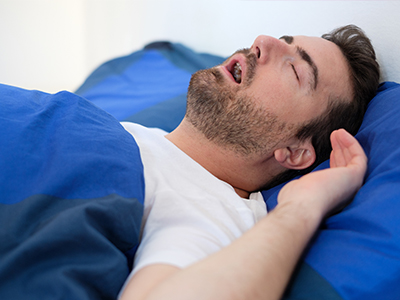
Good-quality sleep is a pillar of overall health, and interruptions to rest can affect mood, memory, and long-term well-being. Obstructive sleep apnea (OSA) is one of the most common causes of disrupted sleep: millions of adults experience pauses in breathing or loud snoring that fragment restful sleep. At the office of Studio Dental Center for Advanced Dentistry, we offer dental-focused evaluation and treatment options that complement medical care to help patients breathe more freely through the night.
Obstructive sleep apnea happens when the upper airway becomes narrowed or blocked during sleep, causing repeated pauses in breathing or very shallow breaths. These events force the sleeper to shift out of deep sleep to reopen the airway, producing fragmented sleep and reduced oxygen levels. While the mechanics are straightforward, the consequences can touch many aspects of health and daytime function.
OSA ranges in severity from mild interruptions to frequent, prolonged breathing pauses that require clinical attention. Risk factors include excess weight, certain jaw or throat structures, nasal congestion, and increasing age. Because symptoms can be subtle or occur only during sleep, many people are unaware they have the condition without formal evaluation.
Although the disorder is commonly called “sleep apnea,” it is not solely a nighttime nuisance. Left unmanaged, the repeated stress of oxygen fluctuations and sleep disruption can contribute to daytime sleepiness, reduced concentration, and a greater burden on the cardiovascular system. Early recognition and a coordinated care plan are important steps toward safer, more restorative sleep.
Many indicators appear at night: loud, habitual snoring, choking or gasping when asleep, and witnessed pauses in breathing are classic signs. Partners often notice these behaviors first. Snoring alone does not confirm sleep apnea, but when snoring is accompanied by breath interruptions or abrupt awakenings, it warrants further assessment.
Daytime symptoms may include persistent tiredness despite a full night in bed, difficulty concentrating, morning headaches, and mood changes such as irritability or low tolerance for stress. These daytime effects are the result of repeated sleep fragmentation and can impact work performance, driving safety, and overall quality of life.
Sleep apnea is also associated with certain health conditions. People with hypertension, type 2 diabetes, or heart rhythm disturbances are more likely to have OSA, and conversely, untreated sleep apnea can make the management of these conditions more difficult. Because the lines between causes and effects can be complex, a comprehensive medical and dental evaluation helps identify the most appropriate next steps.
Diagnosis typically begins with a clinical evaluation and a detailed sleep history that may involve input from a bed partner. Your provider will review symptoms, medical history, and any contributing factors such as medication use, alcohol consumption, or nasal obstruction. A focused oral exam helps identify structural contributors such as a narrow jaw, large tongue, or excess soft tissue.
A sleep study is the definitive test to document breathing events, oxygen levels, and sleep architecture. Studies can be performed in a sleep lab or at home using portable monitoring equipment, depending on clinical indications and physician recommendations. Results quantify the frequency and severity of apneas and hypopneas and guide the choice of therapy.
Dental professionals who specialize in sleep medicine play a collaborative role in the diagnostic process. After a medical diagnosis, dentists trained in dental sleep appliances evaluate oral anatomy, take precise impressions, and communicate with physicians to ensure the chosen treatment aligns with the patient’s overall health plan.
Treatment for obstructive sleep apnea is individualized, based on severity, symptoms, anatomy, and patient preferences. Continuous positive airway pressure (CPAP) machines remain a mainstay for moderate to severe OSA because they reliably splint the airway open during sleep. When used as directed, CPAP reduces breathing interruptions and improves daytime alertness.
For people with mild to moderate OSA, positional strategies, weight management, and improvements to nasal breathing can sometimes produce meaningful benefits. Adjustments to sleep position, avoidance of alcohol and sedatives before bed, and targeted exercises or therapies for nasal obstruction may complement other interventions.
Oral appliance therapy is another effective option, particularly for patients who cannot tolerate CPAP or for whom a dentist’s assessment indicates a good likelihood of success. These devices reposition the lower jaw or tongue during sleep to keep the airway open. The choice of treatment should always reflect a shared decision-making process among the patient, dentist, and treating physician.
Custom oral appliances are made from impressions of the teeth and adjusted to the patient’s unique bite and airway dynamics. Unlike over-the-counter devices, custom appliances are fabricated and fitted by a dental professional to maximize comfort and therapeutic effect. Proper fit and periodic adjustments are essential to maintain efficacy and dental health.
Follow-up care includes monitoring symptom improvement, assessing appliance fit, and checking for dental changes such as tooth movement or bite alteration. Because sleep apnea can change over time, ongoing communication with the patient’s medical sleep specialist is important to confirm treatment effectiveness and to determine if additional interventions are needed.
When a coordinated approach is used, patients benefit from both medical and dental expertise. The dental team can provide objective measurements, refine appliance settings, and advise on oral health considerations, while the sleep physician manages diagnostic testing and broader medical risks. This partnership helps ensure safe, consistent progress toward better sleep.
At Studio Dental Center for Advanced Dentistry, our dental sleep services prioritize individualized care and careful follow-up to help patients achieve measurable improvements in sleep quality and daytime function.
In summary, obstructive sleep apnea is a common condition that can interfere with restorative sleep and overall health. Effective management begins with a clear diagnosis and a collaborative treatment plan that may include lifestyle strategies, CPAP, and dental appliance therapy. If you suspect you or a loved one may have sleep apnea, please contact us to learn more about evaluation and treatment options tailored to your needs.


Obstructive sleep apnea (OSA) is a sleep-related breathing disorder in which the upper airway repeatedly narrows or collapses during sleep, causing pauses in breathing and drops in oxygen levels. These events force brief awakenings that fragment sleep architecture and reduce time spent in restorative sleep stages. OSA can range from occasional, mild interruptions to frequent, prolonged apneas that affect daytime function and health.
Risk factors commonly include excess weight, certain jaw or tongue anatomies, nasal obstruction, and advancing age, although people of many body types may develop the condition. Because breathing pauses happen during sleep, many patients are unaware of the problem until a bed partner notices symptoms or a clinician evaluates them. Early recognition and a coordinated care plan help reduce symptoms and lower associated health risks.
Snoring is noise created by tissue vibration in the upper airway and is common in many people, but it does not always indicate a breathing disorder. Sleep apnea is suggested when snoring is loud, habitual, and accompanied by witnessed breathing pauses, choking or gasping, or abrupt awakenings that interrupt sleep. Those additional signs point to repeated airway obstruction rather than isolated benign snoring.
Daytime consequences can also help distinguish the two: persistent daytime sleepiness, difficulty concentrating, morning headaches, and mood changes are more typical of obstructive sleep apnea than simple snoring. Because symptoms can overlap, a professional evaluation that includes a focused history and possibly objective testing is the best way to confirm whether snoring reflects OSA. A bed partner’s observations are often essential in recognizing patterns that the sleeper cannot detect alone.
Key nighttime signs include loud, habitual snoring, witnessed pauses in breathing, choking or gasping spells, and frequent, unexplained awakenings. Daytime symptoms that warrant evaluation include persistent excessive sleepiness despite adequate time in bed, impaired concentration, and mood changes such as increased irritability. These symptoms can affect work performance, driving safety, and overall quality of life.
Sleep apnea is also commonly associated with medical conditions such as hypertension, type 2 diabetes, and certain heart rhythm disturbances, so people with these conditions should be alert for sleep-disordered breathing. If you or a bed partner notice concerning breathing events or if daytime function is impaired, schedule an evaluation with a clinician experienced in sleep medicine. Early assessment helps determine whether diagnostic testing and treatment are indicated.
Diagnosis begins with a clinical evaluation that reviews symptoms, medical history, medication use, alcohol consumption, and sleep habits, often including input from a bed partner. A focused oral and airway exam can identify structural contributors such as a narrow jaw, large tongue, or excess soft tissue that increase risk for airway collapse. These findings guide whether objective testing is recommended.
The definitive test is a sleep study that measures breathing events, oxygen levels, and sleep architecture; studies are performed either in a sleep laboratory or at home with portable monitoring equipment depending on clinical needs. Results quantify the frequency and severity of apneas and hypopneas and inform treatment decisions. Dentists who practice in dental sleep medicine work with physicians to interpret results and design appropriate oral appliance therapy when indicated.
Treatment is individualized based on severity, symptoms, anatomy, and patient preferences and may include behavioral changes, device therapy, or a combination of approaches. Continuous positive airway pressure (CPAP) remains a primary and highly effective treatment for moderate to severe OSA because it reliably splints the airway open during sleep. Lifestyle strategies such as weight management, positional therapy, avoiding alcohol or sedatives near bedtime, and improving nasal breathing can improve symptoms, particularly in mild cases.
For patients who cannot tolerate CPAP or for whom dental assessment suggests a favorable response, custom oral appliance therapy is an evidence-based alternative for mild to moderate OSA. Surgical options and other targeted procedures are considered in specific anatomical cases or when conservative measures are insufficient. Treatment selection should be a shared decision involving the patient, sleep physician, and dental team to ensure safety and effectiveness.
Custom oral appliances are dental devices designed to reposition the lower jaw or stabilize the tongue during sleep, enlarging the airway and reducing the likelihood of collapse. These devices are made from precise dental impressions or digital scans and are adjusted to the patient’s bite and airway dynamics to maximize comfort and therapeutic effect. Unlike over-the-counter options, professionally fitted appliances are tailored to reduce side effects and improve long-term success.
Dentists with training in dental sleep medicine evaluate oral anatomy, collaborate with sleep physicians, and oversee appliance fabrication and titration. The sleep physician typically confirms the diagnosis and monitors overall medical risk, while the dental provider manages device fit, adjustments, and oral health considerations. This collaborative approach helps ensure treatment is safe, effective, and aligned with the patient’s broader health plan.
Oral appliances are most often recommended for patients with mild to moderate obstructive sleep apnea and for individuals with more severe OSA who cannot tolerate CPAP therapy. Candidates should have sufficient dentition to retain a device and a stable bite, and they should be willing to attend regular follow-up visits for adjustments and monitoring. A dental evaluation assesses these factors and identifies any anatomical features that predict success or risk.
Selection also depends on the patient’s overall health, sleep study results, and personal preferences; the decision should involve both the sleep physician and the dentist. For some patients, an oral appliance can meaningfully reduce symptoms and improve daytime function, while others may need combination therapy or alternative approaches. Clear communication among the patient and clinicians ensures the chosen therapy matches clinical needs and lifestyle.
Common short-term side effects can include jaw soreness, tooth or gum discomfort, excessive salivation, or dry mouth as the mouth adapts to the device. These issues are often temporary and can be managed with appliance adjustments, gradual wear schedules, or simple oral comfort strategies. Most patients tolerate custom devices well when they are properly fitted and followed closely by a dental professional.
Long-term wear can occasionally produce dental changes such as minor tooth movement, alteration of the bite, or changes in occlusion, so regular monitoring is important to identify and manage these effects early. Dentists will document baseline dental status and schedule periodic exams to assess fit and dental health. If significant changes occur, modifications to the appliance or alternative therapies may be considered to protect oral function.
Effective management of sleep apnea relies on interdisciplinary collaboration: sleep physicians diagnose the condition and manage medical risks, while dentists trained in dental sleep medicine prescribe, fit, and titrate oral appliances. Communication typically includes sharing diagnostic test results, discussing treatment goals, and coordinating follow-up testing when needed to confirm that therapies are controlling breathing events. This team approach ensures that both airway mechanics and overall health are addressed.
At Studio Dental Center for Advanced Dentistry the dental team works closely with patients’ medical providers to align appliance therapy with clinical recommendations and to monitor outcomes. Regular updates between clinicians help clarify when additional interventions or changes in therapy are required. Patients benefit from clear roles and shared decision-making across the care team.
After starting treatment, follow-up focuses on symptom improvement, device comfort, and objective measures of therapy effectiveness when appropriate. For oral appliances this includes an initial adjustment period with follow-up visits to refine fit, assess side effects, and monitor dental health; periodic objective testing or physician assessment may be recommended to verify reduction in breathing events. Consistent follow-up helps identify when therapy is successful or when additional measures are needed.
Sleep apnea can change over time with weight fluctuation, aging, dental changes, or evolving health conditions, so long-term monitoring is important to maintain safe and effective treatment. If you receive care in Plantation, your provider will outline a follow-up schedule and coordinate with your sleep physician to review progress. When therapy is closely monitored by both dental and medical teams, patients are more likely to achieve sustained improvements in sleep quality and daytime function.

Ready to book your next dental visit or have questions about your care?
At Studio Dental Center for Advanced Dentistry, our team is here to make getting started simple and stress-free. Whether you call, email, or submit our online form, we’re happy to help with scheduling, treatment questions, or anything you need along the way. We take the time to listen and guide you through your options so you feel confident and informed at every step. Take the first step toward a healthier, more confident smile, reach out today and experience personalized care made easy.