Being told a tooth needs a root canal can feel intimidating, but modern root canal therapy is a precise, predictable treatment designed to relieve pain and rescue a tooth that would otherwise be lost. Today’s techniques and anesthetics make the procedure far more comfortable than many people expect, and for most patients it restores function and stops infection from spreading.
At the office of Studio Dental Center for Advanced Dentistry, we focus on careful diagnosis and gentle treatment so you can return to eating, speaking, and smiling without ongoing discomfort. Our team combines clinical experience with modern tools to make the process as smooth and effective as possible for every patient.
Keeping a natural tooth when possible usually offers the best long-term outcome for oral health. Root canal treatment removes inflamed or infected tissue from inside the tooth while leaving the surrounding structure intact. That helps maintain normal chewing function and prevents shifting of neighboring teeth — both of which preserve bite balance and overall oral stability.
A preserved tooth also supports the jawbone and soft tissues, reducing the risk of bone loss and the complications that can follow extraction. When a tooth is removed, restoring the space often requires additional procedures; when successful, root canal therapy allows you to avoid those extra steps and keep your natural dentition in place.
Advances in endodontic care have improved success rates and long-term outcomes. With appropriate restoration after treatment and sensible oral hygiene, a tooth that has had a root canal can remain functional for many years — often a lifetime — making it a sound treatment choice for many patients.

Under the hard enamel and dentin is the dental pulp: a small bundle of nerves, blood vessels, and connective tissue that helps a tooth develop and stay responsive. When decay, a crack, or a traumatic injury breaches the outer layers, bacteria can reach this inner chamber and trigger inflammation or infection. That is the common pathway that leads to root canal treatment.
Not every insult to a tooth produces immediate, dramatic pain. Sometimes an infection develops slowly and shows up only on an X-ray, while in other cases the pulp becomes acutely inflamed and causes sharp, persistent pain. The speed and severity depend on the extent of damage, how quickly bacteria invade, and the tooth’s internal anatomy.
Left untreated, an infected root can lead to spreading infection, bone loss around the root tip, and increasing pain or swelling. Timely intervention helps contain the problem and typically eliminates the source of infection without removing the tooth.
There are several warning signs that a tooth’s inner tissues may be compromised. Persistent or throbbing pain — especially pain that wakes you at night or refuses to settle with over-the-counter remedies — is a common red flag. Increased sensitivity to hot or cold that lingers long after the stimulus is removed can also indicate that the pulp is inflamed.
Other clues include pain when biting or chewing, swelling of the gum or face near the affected tooth, a tooth that looks darker than the others, or mobility that wasn’t present before. Some infected teeth show little to no discomfort at first, which is why routine exams and radiographs are important — they can reveal changes before symptoms become severe.
Any of these signs deserve a prompt evaluation. Early diagnosis gives the best chance for a predictable, conservative treatment and reduces the risk of complications that can follow a delayed response.

Root canal therapy has evolved into a routine procedure that emphasizes comfort and precision. After a careful exam and any needed radiographs or CBCT imaging, the area is numbed so you won’t feel pain during the treatment. A small rubber dam is often placed to isolate the tooth and keep the area clean and dry.
Your dentist or endodontist will access the pulp chamber, remove infected or damaged tissue, and gently clean and shape the root canals. These spaces are then filled with a biocompatible material to seal the channels and prevent bacteria from re-entering. In some cases a temporary filling is placed and the tooth is completed at a follow-up appointment; in others, the entire procedure can be finished in a single visit.
Sedation options are available for patients who feel anxious or would prefer extra relaxation during treatment. After the root canal, the tooth will need a definitive restoration — often a crown — to restore strength and protect it from fracture. Coordinating that restoration in a timely way helps secure the treatment’s long-term success.
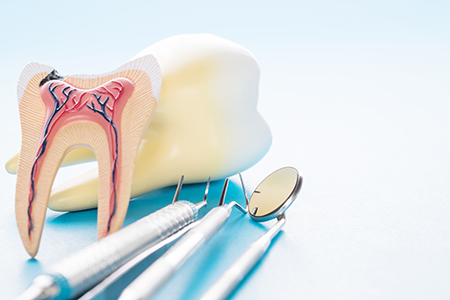
Most patients experience some mild soreness for a few days after treatment as the surrounding tissues heal. This discomfort usually responds well to over-the-counter pain relievers and subsides quickly. If antibiotics or a prescription medication are recommended, take them exactly as directed to support the healing process.
Until a permanent crown or restoration is placed, the treated tooth is more susceptible to fracture. It’s wise to avoid hard or sticky foods and to chew on the opposite side when possible. Maintain normal brushing and flossing habits around the area to support oral health and healing.
With good home care and routine dental visits, a tooth treated with modern root canal therapy often serves reliably for many years. If you notice increasing pain, swelling, a return of symptoms, or anything else that feels unusual after treatment, contact our office promptly so we can assess and address any concerns.
At the office of Studio Dental Center for Advanced Dentistry, we aim to combine technical skill with thoughtful care so every patient understands their options and feels comfortable throughout diagnosis, treatment, and recovery.
In summary: root canal therapy often provides a predictable way to relieve pain, remove infection, and retain a natural tooth. If you suspect a problem or have dental pain, please contact us for more information and to schedule an evaluation.


A root canal, also called endodontic therapy, removes inflamed or infected pulp from inside a tooth to relieve pain and stop infection. The procedure cleans, shapes, and seals the canals within the root to prevent bacteria from returning. Its goal is to preserve the natural tooth whenever possible rather than extract it.
Advances in instruments, imaging, and anesthesia have made the treatment more comfortable and predictable than in the past. In many cases the treated tooth can return to normal function once it is properly restored. Your dentist will explain whether root canal therapy is the best option for your situation.
Keeping a natural tooth helps maintain normal chewing function and preserves the alignment of neighboring teeth, which supports bite balance and long-term oral stability. A preserved tooth also helps maintain the underlying jawbone and surrounding soft tissues, reducing the risk of bone loss associated with extraction. Avoiding extraction when appropriate can minimize the need for additional restorative procedures.
Modern root canal therapy paired with a proper restoration often provides a durable, long-term solution for a damaged or infected tooth. Good home care and routine dental visits contribute to the treated tooth remaining functional for many years. Your dental team will discuss restoration options that best protect and strengthen the tooth after treatment.
A root canal becomes necessary when bacteria reach the dental pulp through deep decay, a crack, or a traumatic injury, provoking inflammation or infection. Repeated dental procedures on the same tooth can also compromise the pulp and create the need for endodontic therapy. In some cases a large restoration placed close to the pulp or a severe crown fracture can allow bacteria to invade the internal chamber.
Not every case produces obvious pain right away; some infections progress slowly and are identified on radiographs during a routine exam. The speed and severity of symptoms depend on how quickly bacteria invade and on individual tooth anatomy. Timely diagnosis improves the likelihood of a conservative, predictable outcome.
Common warning signs include persistent throbbing pain, especially pain that wakes you at night or does not respond to over-the-counter remedies, and prolonged sensitivity to hot or cold even after the stimulus is removed. You might also notice pain when biting or chewing, swelling of the gum or face near the tooth, a tooth that looks darker than neighboring teeth, or new looseness in the tooth. Some infected teeth, however, cause little to no discomfort early on and are discovered on X-rays.
Any of these signs warrant a prompt dental evaluation because earlier treatment generally leads to a more predictable result. Your dentist will perform an exam and take appropriate radiographs or CBCT imaging to determine the extent of the problem. Early intervention helps contain infection and preserve as much natural tooth structure as possible.
The visit begins with a thorough exam and diagnostic imaging to assess the tooth and surrounding structures, followed by numbness of the area so you do not feel pain during treatment. A small rubber dam is typically placed to isolate the tooth and keep it clean and dry while the clinician accesses the pulp chamber, removes infected tissue, and carefully cleans and shapes the root canals. Canals are then filled with a biocompatible material to seal the spaces and prevent reinfection.
Some treatments are completed in a single visit, while others may use a temporary filling and require a follow-up appointment depending on the tooth and clinical findings. Sedation options are available for patients who need extra relaxation or have dental anxiety. A definitive restoration, often a crown, is planned afterward to restore strength and protect the treated tooth.
Thanks to modern local anesthetics and techniques, most patients experience little to no pain during the procedure; you are likely to feel pressure or movement rather than sharp pain. Clinicians also offer sedation options for anxious patients to improve comfort and reduce stress. The goal is to make the appointment as calm and pain free as possible.
After the procedure some mild soreness in the surrounding tissues is common for a few days and usually responds well to over-the-counter pain relievers and rest. If your dentist prescribes antibiotics or a stronger pain medication, follow the instructions closely. Contact the office if you have severe or worsening pain, persistent swelling, or any unusual symptoms after treatment.
Recovery typically involves a few days of mild soreness as the tissues around the tooth heal, and normal oral hygiene should be continued while taking care around the treated area. Until a permanent crown or restoration is placed, the tooth may be more prone to fracture, so avoid chewing hard or sticky foods on that side when possible. Maintaining regular brushing and flossing helps support healing and overall oral health.
Follow-up appointments are important to complete the permanent restoration and to monitor healing radiographically. If antibiotics were prescribed, take them exactly as directed to help control infection. Reach out to the office if you notice increasing pain, swelling, a return of symptoms, or anything else that seems unusual.
Not always, but many teeth that receive a root canal, especially molars and premolars, benefit from a crown because these teeth endure heavy chewing forces and are at higher risk of fracture. Anterior teeth with less biting pressure may be restored with a filling or onlay depending on the amount of remaining tooth structure and esthetic considerations. The choice of restoration depends on the tooth's location, the extent of damage, and long-term function.
Timely placement of a definitive restoration is a key factor in the lasting success of root canal therapy because it seals the tooth and helps prevent reinfection and structural failure. Your dentist will recommend the most appropriate restorative option and the ideal timing to protect the treated tooth. Coordination between the endodontic and restorative phases ensures the best possible outcome.
Alternatives to root canal therapy include monitoring a tooth if the pulp involvement is minimal, or performing procedures such as pulp capping in very early cases where the pulp can be preserved. When a tooth is too damaged, fractured below the gumline, has severe periodontal disease, or cannot be predictably restored, extraction may be the more appropriate option. Extraction is also considered when root anatomy or previous treatments make endodontic therapy unlikely to succeed.
If extraction is performed, restorative options to replace the missing tooth include implant supported crowns, bridges, or removable prostheses, each with their own clinical considerations. In some situations retreatment of a previous root canal or referral to a specialist endodontist can be an effective alternative to extraction. Your dentist will explain the pros and cons of each pathway and help you choose the most conservative and predictable plan.
With modern techniques, careful diagnosis, and an appropriate restoration after treatment, root canal therapy has a high rate of long term success and many treated teeth remain functional for years. Success depends on factors such as the extent of infection, the tooth's anatomy, the quality of the restoration, and adherence to good oral hygiene. Regular dental exams and radiographs help monitor healing and identify any issues early.
If you experience increasing pain, swelling, drainage from the gum, a persistent bad taste, or a return of previous symptoms after treatment, contact Studio Dental Center for Advanced Dentistry for prompt evaluation. Early assessment allows the team to determine whether retreatment, further care, or referral to a specialist is needed. Timely communication helps protect your oral health and the longevity of the treated tooth.

Ready to book your next dental visit or have questions about your care?
At Studio Dental Center for Advanced Dentistry, our team is here to make getting started simple and stress-free. Whether you call, email, or submit our online form, we’re happy to help with scheduling, treatment questions, or anything you need along the way. We take the time to listen and guide you through your options so you feel confident and informed at every step. Take the first step toward a healthier, more confident smile, reach out today and experience personalized care made easy.