Oral cancer is a serious medical condition that often goes unnoticed until it reaches an advanced stage. While it represents roughly 2.9% of all cancer diagnoses in the United States, the American Cancer Society estimates that around 51,000 people will be diagnosed this year and approximately 10,000 fatalities are expected. Those numbers underscore a simple truth: early detection matters. When suspicious changes are found and evaluated early, treatment options are broader and outcomes are better.
Screening is a low-risk, high-value part of routine dental care. A thorough visual and tactile exam can detect abnormalities long before they produce symptoms that prompt patients to seek help. Because many early lesions are painless, relying on symptoms alone can allow disease to progress. Incorporating an oral cancer screening into regular dental visits helps give clinicians the best chance of spotting concerning changes at a stage when intervention can be most effective.
In recent years, the landscape of oral and oropharyngeal cancer has shifted. In addition to traditional risk factors like tobacco and heavy alcohol use, human papillomavirus (HPV) infection has contributed to a measurable rise in oropharyngeal cancers, particularly among younger patients. This evolving risk profile makes routine screening relevant for a broader population than in the past.
Certain factors increase the likelihood of developing oral cancer, and awareness of them helps both clinicians and patients prioritize vigilance. Long‑term tobacco use and excessive alcohol consumption remain two of the strongest predictors. Men historically have been affected at higher rates than women, and risk increases with age, especially after 50. Prior head and neck radiation, chronic irritation, and occupational exposures to some chemicals can also contribute to risk.
Beyond those traditional contributors, lifestyle and biological factors play a role. Prolonged sun exposure to the lips is a recognized risk for lip cancers, and poor nutrition can weaken tissue resilience. The rise of HPV-related oropharyngeal disease has shifted some attention toward sexual health and prevention strategies; vaccination against HPV reduces the risk of infection with high‑risk viral strains and is an important public‑health tool.
Importantly, screening is not reserved only for people with obvious risk factors. Because cancers can occur in patients without a classic history, routine checks performed by dental professionals ensure that signs are not missed. Preventive visits create opportunities for counseling about modifiable behaviors and for reinforcing the value of regular surveillance.
A screening for oral cancer is straightforward, pain‑free, and typically completed as part of a comprehensive dental exam. It begins with a targeted review of the patient’s medical and dental history, including questions about tobacco and alcohol use, recent changes in health, any persistent symptoms, and family history of cancer. This background helps the clinician tailor the exam and decide whether additional evaluation is warranted.
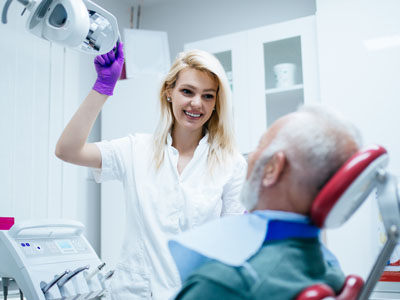
The hands‑on portion of the screening consists of a careful visual inspection and palpation of the entire oral cavity and adjacent structures. The clinician examines the lips, cheeks, gums, tongue (top, sides and underside), floor of mouth, hard and soft palate, and throat when possible. They will also feel the lymph nodes and soft tissues of the neck for lumps or abnormalities. The goal is to identify red or white patches, ulcers that do not heal, firm nodules, areas of numbness, and other changes that might suggest disease.
When something unusual is noted, clinicians may use adjunctive tools to assist in assessment. These can include special light sources, staining techniques, or a brush biopsy to collect surface cells for laboratory review. Any suspicious lesion that does not resolve within a short, defined timeframe is typically referred for definitive diagnosis, which may include a scalpel biopsy and collaboration with oral surgery or an oncology specialist.
Patients often benefit from knowing which signs and symptoms should prompt earlier evaluation rather than waiting for a routine appointment. Persistent sores or ulcers in the mouth that do not heal within two weeks, unexplained bleeding, or a persistent lump are among the most important warning signs. Other red flags include white or red patches on the oral tissues, chronic hoarseness, difficulty swallowing, or persistent ear pain without an obvious ear problem.
Changes in oral sensation such as numbness or a new, unexplained tightness in the jaw or in the throat can also be meaningful. Because early lesions may be painless, any unusual or persistent change in the mouth should be mentioned to a dental or medical professional. Timely reporting and follow-up reduce delays in diagnosis and expand treatment options.
Routine self‑checks can complement professional screenings. Patients can occasionally look for visual changes, feel for lumps under the jaw and along the neck, and note any sores or textural differences on the tongue and cheeks. If anything new or persistent is found, scheduling an evaluation promptly is the prudent next step.
Prevention combines patient behavior, public‑health measures, and professional care. Reducing or eliminating tobacco and limiting alcohol intake are the most impactful personal actions. Sun protection for the lips and a balanced diet that supports immune and tissue health also help lower risk. HPV vaccination for eligible individuals is an effective strategy to prevent infections that can lead to oropharyngeal cancers.
Dental professionals play a central role in continuity of care. Regular dental visits allow clinicians to monitor oral tissues over time and to document subtle changes. When findings warrant further workup, dentists coordinate with medical colleagues—oral surgeons, ENT specialists, or oncologists—to ensure that diagnostic biopsies and treatment plans are arranged efficiently and with clear communication.
At the practice level, integrating oral cancer screening into routine preventive care reflects a commitment to whole‑health dentistry. By combining careful examinations, patient education, and timely referrals when needed, dental teams help patients minimize risk and address problems early. That proactive approach is a cornerstone of long‑term oral and overall health.
Summary: Oral cancer screening is a simple but critical part of preventive dental care. Regular, thorough exams help detect early changes that have a major impact on treatment success and long‑term outcomes. If you have questions about oral cancer screening or would like to learn more about how we approach preventive care at Studio Dental Center for Advanced Dentistry, please contact us for additional information or to schedule a screening.


An oral cancer screening is a focused clinical evaluation of the mouth, throat and nearby tissues performed during a dental exam to look for early signs of cancer or precancerous changes. The exam is typically quick, painless and relies on a careful visual inspection and gentle palpation of the lips, cheeks, gums, tongue, floor of mouth and neck. Early detection increases the range of treatment options and significantly improves the likelihood of successful outcomes.
Because many early lesions cause no pain, relying on symptoms alone can delay diagnosis until disease is more advanced. Routine screenings help clinicians find subtle changes such as persistent red or white patches, nonhealing sores, or firm nodules long before they become symptomatic. Identifying abnormalities early gives patients and clinicians the best chance to act promptly and coordinate appropriate follow-up.
Oral cancer screening is appropriate for most adults and is commonly incorporated into routine dental examinations so that signs can be monitored over time. People with traditional risk factors such as long‑term tobacco use, heavy alcohol consumption, a history of head and neck radiation, or significant sun exposure to the lips should be especially vigilant. Men and patients over age 50 have historically had higher rates, but screening is relevant across a broader age range due to changing risk patterns.
Human papillomavirus (HPV) infection has contributed to an increase in oropharyngeal cancers, particularly among younger adults, so clinicians consider sexual history and vaccination status when evaluating risk. Even patients without classic risk factors benefit from regular checks because cancer can develop unexpectedly. Your dental team can help determine an individualized screening schedule based on personal and medical history.
A comprehensive screening begins with a review of your medical and dental history, including questions about tobacco and alcohol use, recent symptoms and any prior head and neck treatments. The clinician then performs a visual inspection and palpation of the oral cavity, lips, tongue (top, sides and underside), floor of mouth, palate and the soft tissues of the neck. The provider will document any suspicious findings and note changes compared with previous exams.
At Studio Dental Center for Advanced Dentistry clinicians may also use adjunctive assessment tools such as special light sources, tissue staining or a brush biopsy to collect surface cells when indicated. These tools can assist but do not replace clinical judgment or a scalpel biopsy when definitive diagnosis is needed. If a lesion is suspicious or does not resolve within an expected timeframe, the patient is referred for further evaluation and possible biopsy by a specialist.
Any sore, ulcer or lesion in the mouth that does not heal within two weeks should be evaluated promptly rather than ignored. Other important warning signs include unexplained bleeding, persistent lumps or thickened areas in the mouth or neck, and white or red patches on the oral tissues. These findings can be subtle, so timely assessment helps avoid unnecessary delays in diagnosis.
Additional symptoms that deserve attention include ongoing hoarseness, difficulty swallowing, persistent ear pain without an ear problem, new numbness, or a persistent feeling of tightness in the jaw or throat. Because early disease is often painless, report any new or persistent oral changes to your dental or medical provider as soon as possible. Rapid communication and follow-up reduce the risk of progression and expand treatment options.
When clinicians encounter an unusual lesion, they may use adjunctive tools to help characterize the finding and determine the need for definitive testing. Common adjuncts include specialized light sources that enhance tissue contrast, staining techniques that highlight abnormal cells, and brush biopsies that collect surface cells for laboratory analysis. These tools can provide additional information at the chairside but are not conclusive on their own.
If adjunctive testing raises concern or the lesion persists, a scalpel biopsy with histopathologic examination is the gold standard for diagnosis. Results from a biopsy guide the next steps in care and are often coordinated with oral surgeons, ENT specialists or oncologists. Clear communication between the dental team and medical colleagues helps ensure timely diagnosis and coordinated treatment planning.
Yes, patients can perform periodic self-checks to complement professional screenings and help identify new or persistent changes between visits. A simple self-exam involves using a mirror and good lighting to inspect the lips, inside of the cheeks, the front and sides of the tongue, the floor of the mouth and the palate for any sores, discolored patches or lumps. Gently feeling along the jawline and under the chin can also reveal unusual lumps or swelling.
Perform a self-check monthly and make note of anything new, persistent or changing in size, color or texture. If you find a sore that does not heal within two weeks, any unexplained lump, or areas of numbness or persistent discomfort, contact your dental provider for an evaluation. Early reporting and documentation help your clinician determine whether additional testing or referral is necessary.
Tobacco use and heavy alcohol consumption remain two of the strongest risk factors for oral cancer and increase the urgency for careful surveillance and counseling about risk reduction. HPV infection, particularly with high‑risk strains, has led to a noticeable rise in oropharyngeal cancers and means that younger patients without traditional risk factors may still be at risk. Prior head and neck radiation, prolonged sun exposure to the lips and certain occupational exposures also influence an individual’s screening needs.
Because many risk factors are modifiable, dental professionals emphasize prevention through tobacco cessation, reduced alcohol intake, proper sun protection and support for HPV vaccination when appropriate. Clinicians integrate risk assessment into routine exams so that higher‑risk patients receive closer observation and timely referrals. Preventive counseling and consistent monitoring together reduce long‑term risk and improve early‑detection opportunities.
If a suspicious lesion is identified, the dental team documents its appearance, size and location and may schedule a short interval recheck to see if the finding resolves. When uncertainty remains or the lesion persists, clinicians often perform or refer for a biopsy to obtain tissue for definitive diagnosis. Depending on the biopsy results, patients may be referred to an oral surgeon, ENT specialist or oncologist for staging and treatment planning.
Throughout the diagnostic process, clear communication between dental and medical providers is essential to ensure timely coordination of care. The dental team can help arrange referrals, transfer records and support patients through appointments and decision making. Early collaboration among providers improves the efficiency of diagnosis and the quality of subsequent treatment pathways.
An oral cancer screening is generally recommended at routine dental visits so that the oral tissues can be compared over time and subtle changes documented. For many patients this means a screening at each recall exam, which may occur every six to twelve months depending on individual oral‑health needs and risk factors. Patients with higher risk profiles may be advised to have more frequent evaluations or short‑interval rechecks for specific findings.
Consistency of care and detailed records allow clinicians to detect small but meaningful changes from one visit to the next, improving the chances of catching problems early. Discuss your personal risk factors with your dental provider so they can recommend an appropriate screening schedule. Regular preventive visits are a cornerstone of early detection and long‑term oral health.
At Studio Dental Center for Advanced Dentistry our team emphasizes timely assessment, clear communication and efficient coordination with medical specialists when an oral cancer evaluation is needed. We document findings thoroughly, use adjunctive tools as appropriate, and arrange referrals for biopsy or specialist consultation to ensure patients move quickly from detection to definitive diagnosis. The practice strives to facilitate seamless transfer of records and direct communication with oral surgeons, ENT physicians or oncology teams.
Under the direction of Dr. Cynthia Bouchard-Lavenka, DMD, our clinicians work collaboratively with patients to explain next steps, answer questions and support them through scheduling and follow‑up. We prioritize continuity of care and aim to help patients navigate appointments and consultations with confidence. If you have concerns or notice a persistent change in your mouth, contacting the office for prompt evaluation is the best first step.

Ready to book your next dental visit or have questions about your care?
At Studio Dental Center for Advanced Dentistry, our team is here to make getting started simple and stress-free. Whether you call, email, or submit our online form, we’re happy to help with scheduling, treatment questions, or anything you need along the way. We take the time to listen and guide you through your options so you feel confident and informed at every step. Take the first step toward a healthier, more confident smile, reach out today and experience personalized care made easy.