Clear aligner therapy has changed the way many people approach teeth-straightening: it offers a discreet, modern option that blends clinical precision with everyday convenience. Invisalign® uses a sequence of custom-made, virtually invisible trays to move teeth in small, controlled steps so patients can pursue orthodontic improvements without the visual or social impact of metal wires.
Below you’ll find an in-depth look at how clear aligner treatment works, what to expect during the process, and how a coordinated dental team helps deliver predictable results. The goal here is to give readers practical, evidence-informed information to decide whether clear aligners may be a good fit for their smile.
Modern clear aligner systems rely on digital planning and staged aligners to shift teeth over time. Your initial appointment typically includes a precise digital scan or impression that becomes the starting point for a step-by-step treatment map. Each aligner in the series is made to move particular teeth by a small increment so that the cumulative adjustments produce the final alignment.
Because movement is planned in advance, clinicians can anticipate the sequence of changes and introduce auxiliaries—such as small tooth-colored attachments—when additional grip or force is needed. That combination of mechanical design and incremental progression is what gives clear aligners their predictability for many common alignment issues.
Aligner material and fit are also important. High-quality clear aligners are engineered to hold their shape and deliver consistent force between appointments. The removability of aligners makes them unique: they allow for normal oral hygiene and eating habits while maintaining effective orthodontic control when worn as directed.
The treatment journey begins with a digital scan or precise impression that the team uses to model your current bite in three dimensions. From that model, a clinician creates a projected timeline showing how teeth will move at each stage. This visualization helps both the patient and provider set realistic goals and anticipate adjustments.
Many systems include a virtual preview that shows a simulated “before and after” so patients can see the intended outcome. That preview is a plan, not a guarantee, and your clinician may refine it over the course of treatment based on how your teeth respond. Periodic check-ins allow the provider to monitor progress and make changes if necessary.
Because each plan is individualized, the number of aligners and the length of treatment vary from case to case. The core advantage of digital planning is precision: it helps the team control tooth movement with a level of detail that wasn’t possible with older, more manual methods.
Wearing the aligners consistently is the single most important factor in achieving an efficient outcome. Most clinicians recommend wearing trays for the majority of the day and only removing them for eating, brushing, and flossing. That routine supports steady progress while preserving the convenience of normal mealtimes.
Because the trays are removable, patients find it easier to keep teeth clean during treatment. Good oral hygiene reduces the risk of staining and gum irritation, and it supports overall oral health as the teeth move. It’s also helpful to rinse and store aligners properly after meals and to maintain scheduled visits so your provider can confirm progress.
Some people experience mild discomfort for a day or two after switching to a new tray—this sensitivity is the sign that the aligner is exerting gentle pressure. Speech typically adapts quickly, and most daily activities continue without interruption. Simple habits—like carrying a small case and a travel-sized toothbrush—can make treatment smoother and more discreet.
Clear aligners are effective for a wide range of alignment concerns, including mild to moderate crowding, spacing, certain bite issues, and rotational corrections. They are well suited to adult and teen patients who need orthodontic movement but prefer a less visible option than traditional braces.
Complex movements and skeletal problems sometimes require adjunctive therapies or interdisciplinary care, such as orthodontic auxiliaries, restorative dentistry, or surgical referral if there are significant jaw discrepancies. A careful clinical evaluation helps determine whether aligners alone are appropriate or whether a combined approach will deliver a better long-term result.
In many cases, aligners can be part of a broader plan that improves both function and aesthetics. Your clinician will review diagnostic records, explain realistic expectations, and tailor a plan that balances goals for tooth position, bite function, and overall oral health.
Your treatment is a partnership between you and your dental team. At Studio Dental Center for Advanced Dentistry, clinicians combine digital tools with hands-on expertise to guide each case from diagnosis through completion. Regular monitoring allows for minor refinements and ensures your teeth are tracking to the planned outcome.
Typical care includes an initial consultation, a digital scan, delivery of your first set of aligners, and periodic follow-up visits to assess fit and progress. The frequency of check-ins depends on the specific plan; some patients receive new aligners to wear at home with occasional office visits, while others may have more frequent in-office evaluations.
A thoughtful treatment plan also considers retention after active movement is finished. Retainers help stabilize the final positions of teeth, supporting the long-term success of your results. Your team will discuss a retention strategy that fits your needs and lifestyle.
Aligner therapy is built on data, materials science, and careful clinical judgment. Technology providers analyze large volumes of treatment outcomes to refine aligner design and protocols, but individual results still depend on diagnostics, clinical execution, and patient adherence.
Because aligners allow you to maintain normal eating and oral care habits, many patients appreciate the combination of predictable tooth movement and day-to-day flexibility. If you’re curious about what clear aligner therapy could do for your smile, an evaluation with a qualified clinician will identify the best path forward.

A clinical exam and digital records let your clinician assess alignment, bite, and oral health to determine whether clear aligners are a suitable option for your needs.
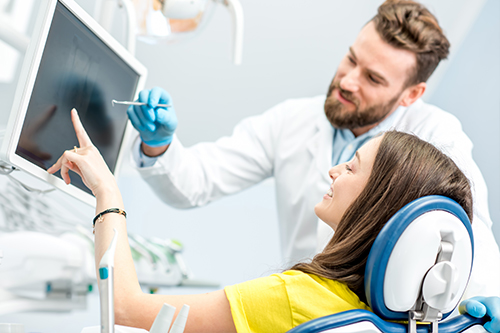
Digital planning tools provide a visual roadmap for how your teeth are expected to move, helping you understand the proposed stages and likely timeline.
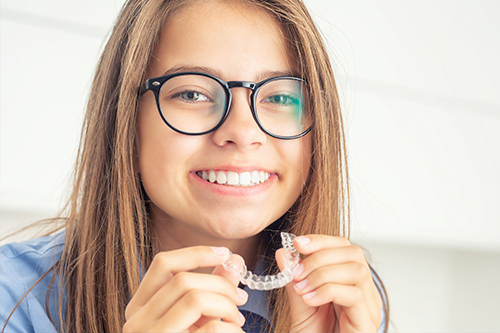
Your aligners are manufactured to match the specifications of your personalized plan, with attention to fit, comfort, and effective force delivery.

From the first set to the final retainer, your care team will monitor progress and provide guidance so you stay on track toward the intended outcome.
Short educational videos illustrate common experiences and procedural steps associated with clear aligner therapy.
*Invisalign® is a registered trademark of Align Technology, Inc.
At Studio Dental Center for Advanced Dentistry, we approach clear aligner therapy with a focus on careful diagnosis, individualized planning, and ongoing clinical oversight. If you’d like to learn whether clear aligners are a suitable option for your smile, please contact us for more information or to schedule an evaluation.
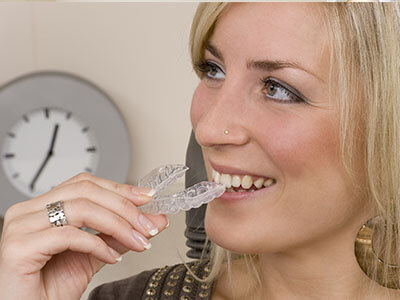

Invisalign® is a clear aligner system that straightens teeth using a sequence of custom, removable trays. Each tray applies gentle, controlled forces that move teeth incrementally toward a digitally planned final position. The trays are virtually invisible and offer an alternative to fixed metal brackets and wires for many patients.
Unlike traditional braces, aligners can be removed for eating and oral hygiene, which makes daily care easier and reduces dietary restrictions. Digital treatment planning allows clinicians to anticipate stages of movement and incorporate attachments when needed. A clinical evaluation will determine whether aligners or braces are the better option for a given case.
Good candidates for Invisalign® typically include teens and adults with mild to moderate crowding, spacing, or certain bite concerns who are committed to wearing their trays as directed. Because aligners rely on patient compliance, candidates should be willing to wear aligners most of the day and follow scheduled check-ins. Patients with good overall oral health—free of active gum disease and untreated decay—generally achieve the best outcomes.
Certain complex or skeletal orthodontic problems may require adjunctive therapies, fixed appliances, or interdisciplinary care involving orthodontists and surgeons. Your dental team will review diagnostic records and discuss realistic expectations before recommending aligner therapy. A personalized assessment ensures the treatment plan balances cosmetic goals with functional and long-term oral health priorities.
Clear aligner therapy is built on digital planning and staged tooth movement: an initial 3D scan or impression creates a model of your bite, and the clinician maps a step-by-step sequence to reach the desired alignment. Each successive tray is fabricated to shift specific teeth by a small increment so that the cumulative changes produce the intended result. This planned progression increases predictability for many routine alignment challenges.
Digital previews let patients and providers visualize the projected outcome and identify where auxiliaries—such as tooth-colored attachments or elastics—may be required to achieve certain movements. High-quality aligner materials are designed to hold their shape and deliver consistent force, but periodic monitoring allows the team to refine the plan if teeth respond differently than projected. Effective outcomes rely on accurate diagnostics, careful clinical execution, and patient adherence to the prescribed wear schedule.
The consultation typically begins with a clinical exam, a review of your dental and medical history, and digital records such as intraoral scans and radiographs when appropriate. The clinician evaluates alignment, bite relationships, and overall oral health to determine whether aligner therapy is a suitable option. This visit is also an opportunity to discuss goals, timelines, and any adjunctive procedures that might be needed to support a stable result.
After records are captured, the team will create a personalized treatment map and often provide a virtual preview of the projected changes. That preview represents a plan rather than a guarantee, so regular progress reviews allow the provider to make refinements as treatment proceeds. At Studio Dental Center for Advanced Dentistry in Plantation, FL, the process emphasizes clear communication so patients understand expectations and the steps involved from start to finish.
Treatment duration with aligners varies based on the complexity of the case, patient cooperation, and the specific movements required; many adult cases are completed in several months to about a year, while more complex situations may take longer. The number of trays, the need for auxiliaries, and whether refinements are necessary all contribute to the overall timeline. Regular monitoring helps ensure teeth are tracking according to plan and identifies when adjustments are appropriate.
Patient adherence is one of the most significant factors influencing speed: wearing aligners for the recommended daily hours supports steady progress, while inconsistent wear can extend treatment. Biological responses differ among individuals, so some people naturally move faster or slower even with identical plans. Your clinician will discuss an estimated timeline tailored to your goals and update it as treatment advances.
Maintain excellent oral hygiene by brushing and flossing after meals before reinserting your aligners to reduce the risk of staining and gum irritation. Clean aligners daily with a soft brush and lukewarm water or as recommended by your provider; avoid hot water, which can warp the plastic. Storing aligners in their protective case when not in use prevents damage and reduces contamination.
Avoid consuming sugary or highly pigmented drinks while wearing trays, and remove aligners for meals to preserve their clarity and fit. Continue routine dental checkups and professional cleanings throughout treatment to monitor oral health. If you use any recommended soaking solution, follow the manufacturer’s directions and your clinician’s guidance to keep trays hygienic and comfortable.
Attachments are small, tooth-colored composite bumps bonded to specific teeth to give aligners better purchase for particular movements, such as rotations or extrusions. These discreet additions allow the aligner to apply force more effectively to the targeted tooth, increasing the predictability of certain corrections. Attachments are placed and removed by the clinician as part of the treatment process and are typically unobtrusive.
Auxiliaries can also include interarch elastics, precision cuts, or other devices that address bite relationships or complex movements not achievable with aligners alone. The need for these tools is determined during treatment planning and may be introduced as your teeth progress. Your provider will explain the purpose of any auxiliaries and show how to use them properly to support the treatment objectives.
If an aligner is lost or damaged, contact your dental team promptly so they can advise whether you should move to the next tray or obtain a replacement. In many cases, patients are instructed to wear the previous tray temporarily or switch to the next tray depending on fit and how recently the change occurred. Avoid wearing a warped or cracked tray, as it may deliver uneven forces and compromise progress.
When a tray does not seat fully, do not force it; instead, check for food debris, use the recommended seating techniques, and notify your provider if problems persist. The clinical team can evaluate fit and order a replacement or make necessary adjustments to the plan. Timely communication helps minimize delays and keeps treatment on track without unnecessary complications.
Most patients experience a brief adjustment period when they first begin wearing aligners, during which a mild lisp or change in speech may occur; this typically resolves within a few days as the tongue adapts. Sensitivity or pressure for a day or two after inserting a new tray is normal and is a sign that the aligner is working. These sensations are generally short-lived and diminish as your teeth move into the new position.
If you experience persistent pain, significant difficulty speaking, or sores that do not improve, contact your clinician so they can assess the issue and recommend solutions. Simple adjustments—such as smoothing a rough edge or confirming the tray fit—often resolves minor problems. Your care team is there to support comfort and function throughout treatment.
Retainers stabilize teeth after active movement and are essential to preserve the results achieved with aligner therapy; without retention, teeth are prone to gradual relapse. Retainers can be removable clear trays or fixed bonded devices, and the clinician will recommend a retention plan based on the original orthodontic concerns and the final tooth positions. Initial wear is usually more frequent and then tapers to a schedule that fits the patient’s long-term needs.
Long-term retention habits vary, but many patients find a combination of nightly wear and periodic check-ins provides reliable stability. Your dental team will explain the retention timeline and provide instructions for retainer care, including cleaning and safe storage. Adhering to the retention plan is the most effective way to maintain the investment of time and effort made during treatment.

Ready to book your next dental visit or have questions about your care?
At Studio Dental Center for Advanced Dentistry, our team is here to make getting started simple and stress-free. Whether you call, email, or submit our online form, we’re happy to help with scheduling, treatment questions, or anything you need along the way. We take the time to listen and guide you through your options so you feel confident and informed at every step. Take the first step toward a healthier, more confident smile, reach out today and experience personalized care made easy.