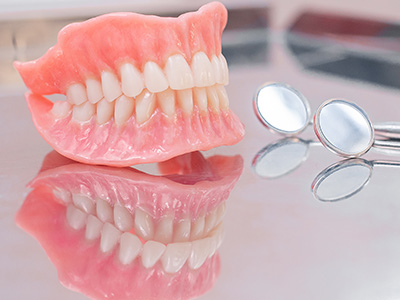
Implant-retained dentures are an advanced tooth replacement option designed to provide greater stability, comfort, and function compared to traditional removable dentures. At Studio Dental Center for Advanced Dentistry, this treatment is used to help patients regain confidence in their smile while improving everyday activities like eating and speaking. By combining the reliability of dental implants with the convenience of dentures, this solution offers a more secure and natural-feeling alternative for patients with multiple missing teeth.
Unlike conventional dentures that rest on the gums, implant-retained dentures are supported by dental implants that are placed into the jawbone. These implants act as stable anchors, allowing the denture to securely attach in place. This connection helps prevent slipping, movement, or discomfort that is commonly associated with traditional removable dentures.
The implants also integrate with the bone over time through a natural process called osseointegration. This creates a strong foundation that helps maintain the structure of the jaw and improves long-term oral health. The result is a restoration that feels more secure and functions more like natural teeth.
One of the most significant advantages of implant-retained dentures is improved stability. Patients can eat a wider variety of foods without worrying about their dentures shifting or becoming loose. This enhanced function also makes speaking clearer and more natural, reducing the challenges often experienced with traditional dentures.
In addition to comfort and function, implant-retained dentures help preserve jawbone health. When teeth are missing, the bone can gradually deteriorate over time. Dental implants stimulate the bone, helping to maintain its structure and prevent further loss. This contributes to a healthier and more youthful facial appearance.
Many patients who struggle with traditional dentures experience issues such as irritation, slipping, or difficulty eating certain foods. Implant-retained dentures address these concerns by providing a secure fit that eliminates the need for adhesives and constant adjustments. This leads to a more comfortable and reliable daily experience.
Because the dentures are anchored to implants, they also reduce pressure on the gums. This can significantly improve overall comfort, especially for patients who have worn removable dentures for many years.
Implant-retained dentures are an excellent option for patients who are missing multiple teeth or currently wearing traditional dentures and seeking a more stable solution. A thorough evaluation is needed to determine bone health and overall suitability for implants. In some cases, additional procedures may be recommended to ensure the best possible outcome.
At Studio Dental Center for Advanced Dentistry, each treatment plan is customized based on the patient’s oral health, goals, and lifestyle. This ensures that the final result is both functional and aesthetically pleasing.
Beyond restoring the ability to eat and speak comfortably, implant-retained dentures also provide long-term benefits for oral health. By stimulating the jawbone and supporting facial structure, they help maintain a more natural appearance over time. This makes them a valuable investment in both health and quality of life.
Patients often report a significant boost in confidence after transitioning to implant-retained dentures. The improved stability and natural feel allow them to smile, laugh, and engage socially without worry, making everyday life more enjoyable and stress-free.
Implant-retained dentures represent a modern approach to full-arch tooth replacement, combining innovation with long-term reliability. At Studio Dental Center for Advanced Dentistry, the goal is to restore both function and confidence through carefully planned, patient-centered care. For those seeking a more secure and comfortable alternative to traditional dentures, this treatment offers a lasting solution that supports a healthier, more confident smile.


Implant-retained dentures are removable or semi-removable prostheses that attach to dental implants placed in the jaw to create a stable foundation. The implants act as anchors that connect to the denture via housings, bars, or locator attachments, preventing the denture from slipping during eating and speaking. Over time, the implants integrate with the bone through osseointegration, which provides long-term stability and helps preserve jaw structure.
At Studio Dental Center for Advanced Dentistry, clinicians evaluate bone quality and jaw anatomy to determine the optimal number and placement of implants for each arch. The denture itself is designed to be comfortable and easy to remove for cleaning while delivering function that approaches fixed restorations. This combination of implant support and a denture prosthesis balances predictable performance with simpler maintenance than fully fixed solutions.
Traditional removable dentures rest on the gums and rely on suction, tissues, or adhesives for retention, which can allow movement and require frequent adjustments. Implant-retained dentures attach to implants in the jaw, creating a secure connection that greatly reduces slipping, sore spots, and the need for adhesive products. The added stability improves chewing efficiency and clarity of speech compared with conventional dentures.
Because implant-retained dentures transmit functional forces to the implants and underlying bone, they help preserve bone volume that would otherwise resorb after tooth loss. This structural benefit helps maintain facial support and can reduce the gradual changes in fit that make traditional dentures less comfortable over time. For many patients, these differences lead to a more natural, confidence-inspiring everyday experience.
Good candidates are adults who are missing multiple teeth or wearing conventional dentures and seek improved stability and function, and who have adequate jawbone to support implants or are willing to undergo preparatory procedures. A comprehensive exam, including clinical assessment and imaging such as CBCT when indicated, helps determine bone volume, density, and the presence of any conditions that could affect implant success. General health factors, medication use, and habits like smoking are also evaluated because they can influence healing and long-term outcomes.
When bone is insufficient, options such as bone grafting or ridge augmentation can often make implant treatment feasible, and a tailored treatment plan will identify the best approach for each patient. The clinical team at the practice customizes recommendations based on oral health, functional goals, and patient preferences to achieve a predictable and comfortable restoration. Shared decision-making ensures that patients understand what the process involves and what to expect from treatment.
The timeline begins with a diagnostic phase that includes impressions, radiographs, and possibly CBCT imaging to plan implant positions precisely. Surgical placement of implants is followed by a healing period during which osseointegration occurs; this phase commonly ranges from a few weeks to several months depending on implant stability, bone quality, and whether grafting was performed. After adequate integration, attachments are placed on the implants and the denture is adjusted or fabricated to engage those attachments securely.
Some patients may receive a temporary prosthesis immediately after surgery for aesthetics and basic function, while the final denture is completed once healing is sufficient. The overall timeline varies by case complexity, the number of implants, and whether additional procedures are required, but the team provides a detailed schedule and milestones during the planning visit. Follow-up appointments ensure proper fit and function as the restoration is finalized.
Clinically, implant-retained dentures offer greater bite force and improved chewing efficiency compared with conventional dentures, allowing patients to eat a wider variety of foods with more confidence. They also stabilize the denture platform, reducing sore spots and enhancing speech clarity. Importantly, implants help preserve the underlying jawbone by transmitting functional loads that stimulate bone maintenance, which supports facial contours and long-term oral health.
From a maintenance perspective, implant-retained dentures can reduce the frequency of prosthetic relines and adjustments because the implants maintain ridge support and denture positioning. They also provide a predictable foundation for prosthetic design, enabling more precise occlusion and esthetics. These clinical advantages contribute to improved oral function and a more comfortable everyday experience for many patients.
Daily home care includes removing the denture for cleaning, brushing the prosthesis, and gently cleaning around implant attachments and the soft tissues with a soft brush or interdental cleaning device. Patients should follow a routine that removes plaque and food debris from implant abutments and attachment housings to prevent inflammation of the surrounding gum tissue. Regular use of recommended oral hygiene tools helps maintain implant health and prolong the functional life of the prosthesis.
Professional maintenance is equally important and typically involves scheduled checkups for clinical evaluation, professional cleaning around implants, and inspection of attachment components for wear. The practice will advise on specific recall intervals based on individual risk factors, and timely replacement of worn attachment parts ensures consistent retention and fit. Good home care combined with routine professional visits supports long-term success.
As with any surgical procedure, implant placement carries risks such as infection, prolonged healing, or implant failure, although these outcomes are relatively uncommon with proper planning and care. Local factors like inadequate bone, certain systemic health conditions, or tobacco use can increase the risk of complications and may require additional management or preparatory treatments. In some cases, adjustments to the prosthesis or replacement of attachment components are necessary to maintain optimal function.
Careful treatment planning, appropriate imaging, and adherence to postoperative instructions minimize most risks, and the clinical team monitors healing closely to address issues early. If complications arise, the practice discusses remedial options such as soft tissue therapy, refinement of the prosthesis, or, when indicated, prosthetic or surgical revision to restore comfort and function. Transparent communication helps patients make informed choices throughout treatment.
Implants themselves are designed to be long-lasting and can function for decades when they integrate successfully and are maintained with good oral hygiene and regular professional care. The denture prosthesis and attachment components are subject to wear and typically require periodic servicing, adjustments, or replacement over time to maintain fit and retention. Factors that affect longevity include oral hygiene, systemic health, parafunctional habits such as bruxism, and the quality of the initial prosthetic design and occlusion.
Routine maintenance visits allow the dental team to monitor bone levels, soft tissue health, and the condition of prosthetic parts so that timely interventions can extend the life of the restoration. When replacement of the denture or attachments is needed, it can often be performed without removing well-integrated implants. A proactive maintenance strategy maximizes the clinical benefits of implant-retained solutions.
Implant-retained dentures are typically removable and attach to implants for improved stability, while fixed implant bridges or full-arch fixed solutions are permanently secured to implants and can only be removed by a dental professional. Fixed options often require more implants and a different prosthetic design, providing a feel and function closer to natural teeth but with greater complexity in fabrication and hygiene considerations. The choice between removable implant-retained dentures and fixed restorations depends on patient preferences, anatomic factors, hygiene capability, and clinical goals.
Removable implant-retained dentures can offer easier home cleaning and may be preferred by patients who want a less invasive prosthetic option or who require fewer implants. Fixed solutions may be indicated when a patient desires a non-removable restoration and has sufficient bone and oral health to support that approach. A thorough consultation with the clinical team clarifies trade-offs and helps identify the most appropriate restorative plan for each patient.
Immediately after implant placement, patients can expect some swelling, mild to moderate discomfort, and minor bleeding that typically subsides within a few days with proper care and prescribed aftercare instructions. Pain management, cold compresses, and a soft diet are commonly recommended during the initial healing phase, and patients are advised to avoid strenuous activity for a short period to promote optimal recovery. Follow-up visits are scheduled to monitor healing and ensure implants are integrating as expected.
Once the surgical sites have healed and osseointegration has progressed, the clinician will proceed with prosthetic steps to attach the denture to the implants, make any necessary adjustments, and verify function and comfort. Throughout recovery, the team provides guidance on oral hygiene, signs of potential issues to watch for, and a maintenance plan to protect implant health. Clear communication and adherence to postoperative instructions help achieve predictable outcomes.
To begin, schedule a consultation so the team can perform a comprehensive oral evaluation, review medical and dental history, and obtain any necessary imaging such as CBCT to plan implant placement precisely. During this visit the clinician discusses treatment goals, explains clinical options, and outlines the sequence of surgical and prosthetic appointments required to achieve a stable restoration. Personalized planning helps determine the ideal number and position of implants and whether additional preparatory procedures are needed.
Patients receive a clear timeline for treatment stages and post-procedure care recommendations to prepare for surgery and recovery, and the practice coordinates follow-up visits to monitor healing and finalize the prosthesis. If you would like to learn more or arrange an evaluation, the team at Studio Dental Center for Advanced Dentistry can guide you through the process and answer clinical questions specific to your case.

Ready to book your next dental visit or have questions about your care?
At Studio Dental Center for Advanced Dentistry, our team is here to make getting started simple and stress-free. Whether you call, email, or submit our online form, we’re happy to help with scheduling, treatment questions, or anything you need along the way. We take the time to listen and guide you through your options so you feel confident and informed at every step. Take the first step toward a healthier, more confident smile, reach out today and experience personalized care made easy.