General dentistry begins with prevention: a consistent plan of exams, cleanings, and patient education that keeps small problems from becoming major ones. Routine visits let your dental team remove hardened plaque, check gum health, and refresh home-care strategies so patients maintain a strong foundation between appointments. Prevention also includes targeted services such as fluoride treatments and dental sealants when appropriate — simple interventions that reduce risk and protect teeth at every age.
When prevention is proactive and personalized, it supports more than just teeth. A healthy mouth contributes to better overall wellness, and routine dental care is an opportunity to reinforce habits that matter: effective brushing and flossing technique, dietary guidance, and strategies for managing dry mouth or sensitivity. These conversations are tailored to each patient’s life stage and health background, making preventive care both practical and sustainable.
At Studio Dental Center for Advanced Dentistry, preventive care is presented as an ongoing partnership: regular assessments detect early changes, and individualized plans help patients preserve their natural smiles. By emphasizing maintenance and education, general dentistry reduces the likelihood of complex restorative work later on and keeps daily life comfortable and confident.
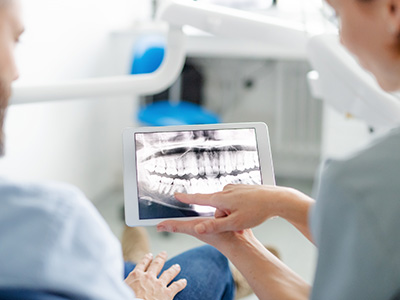
Detecting issues early is central to effective general dentistry. During a comprehensive exam, clinicians evaluate tooth structure, soft tissues, bite relationships, and signs of wear or grinding. Digital radiography and intraoral imaging provide clear, low-radiation views of areas you can’t see, allowing dentists to identify decay between teeth, assess bone levels, and track changes over time with clarity and precision.
Beyond cavities, exams include periodontal screenings and visual checks for irregularities that could indicate oral-systemic concerns. Early identification of gum disease or unusual tissue changes enables timely intervention and referral when necessary. For patients with complex needs, advanced imaging such as CBCT can be used selectively to inform treatment planning with three-dimensional detail.
Regular, methodical exams also create a documented baseline for each patient’s oral health. Comparing images and notes from visit to visit helps clinicians spot subtle trends — whether it’s progressive wear, shifting teeth, or early bone changes — so treatment recommendations are grounded in evidence rather than assumptions.
When restorative treatment is needed, general dentistry focuses on preserving healthy tooth structure and restoring comfortable function. Conservative options like tooth-colored fillings and inlays/onlays address decay while maintaining strength and appearance. For teeth that have sustained more extensive damage, well-crafted crowns can rebuild form and protect remaining structure with durable, natural-looking materials.
Restorative decisions are influenced by each patient’s goals and oral health status. Clinicians weigh conservative approaches against long-term stability, aiming to extend the life of natural teeth whenever possible. Where replacement is required, restorative care coordinates closely with specialty services, ensuring comprehensive solutions that restore chewing efficiency and facial balance.
Follow-up and maintenance are integral to restorative success. After care, patients receive clear guidance on cleaning, avoidance of damaging habits, and scheduling intervals for monitoring restorations — all designed to maximize longevity and maintain comfort during everyday activities like eating and speaking.
Patient comfort is an essential part of effective general dentistry. A calming environment, thoughtful communication, and options for anxiety management help patients feel respected and in control. Dentists tailor their approach to meet individual preferences and needs, from gentle techniques and bite guards for grinding to guided explanations of procedures so patients understand each step before treatment begins.
General dentistry also addresses functional concerns that affect daily life, such as teeth grinding, jaw pain, and sleep-related breathing issues. Appliances, night guards, and referrals for collaborative care can reduce wear, ease discomfort, and improve sleep quality. These interventions are chosen for their ability to restore comfort and protect long-term oral health.
In addition to clinical care, the practice emphasizes clear post-treatment instructions and ongoing support. Patients are encouraged to raise questions and share feedback, which enables the dental team to tailor follow-up and preventive strategies. This patient-centered model builds trust and helps individuals stay engaged with their own oral health plan.
Modern general dentistry integrates technology in ways that make care more precise, efficient, and comfortable. Digital impressions eliminate messy trays for many procedures, improving patient experience and speeding up fabrication of crowns and restorations. In-office systems like CEREC can produce same-day ceramic restorations when appropriate, reducing the need for multiple visits while delivering excellent fit and aesthetics.
Advanced imaging tools—digital X-rays, intraoral cameras, and three-dimensional scans—help clinicians plan treatments with confidence and show patients exactly what’s happening in their mouths. This visual approach supports informed decision-making and helps patients understand recommended steps. Technology also streamlines record-keeping and treatment coordination, ensuring continuity of care across visits.
Beyond equipment, technology enables tailored prevention: digital monitoring of wear patterns, computerized analysis of bite relationships, and data-driven recommendations for maintenance. When combined with thorough clinical evaluation, these tools help patients achieve predictable outcomes and long-term oral stability.
Summary: General dentistry is the essential foundation for a healthy mouth and a confident smile. By combining preventive care, timely diagnostics, conservative restorative work, patient-centered comfort strategies, and modern technology, the practice supports lasting oral health across a lifetime. If you have questions about general dental care or want to learn how we can tailor a plan to your needs, please contact us for more information.


General dentistry covers preventive, diagnostic and restorative services that maintain oral health. It includes routine exams, professional cleanings, fluoride treatments and sealants to protect teeth. Clinicians also manage fillings, crowns, root canal therapy and coordinate specialty care when needed.
The goal is to preserve natural teeth, maintain function and address issues before they progress. Care plans are tailored to each patient's medical history, lifestyle and life stage to make recommendations that fit daily routines. Patient education and effective at-home hygiene form a key component of every plan.
Preventive care focuses on identifying and stopping problems early, before they require complex treatment. Regular cleanings remove hardened plaque and reduce gum inflammation that contributes to disease progression. Targeted measures such as fluoride applications and sealants add protection for vulnerable areas of the mouth.
Education about brushing, flossing and diet reduces the likelihood of recurrent problems and supports whole-body wellness. Routine visits also let the dental team monitor changes over time and update care strategies as needed. A proactive prevention program helps patients maintain comfort and function while minimizing future intervention.
Most adults benefit from exams and cleanings every six months, but frequency is personalized based on risk factors. Patients with gum disease, a history of cavities, certain medical conditions or tobacco use may need more frequent visits. Your dentist will recommend an interval that balances prevention with your specific oral health needs.
Children, seniors and patients undergoing orthodontic or restorative treatment often follow different schedules to support growth and maintenance. Consistency creates a documented baseline that helps clinicians detect subtle trends. If you experience pain, swelling or sudden changes between visits, seek an evaluation promptly.
A comprehensive exam evaluates teeth, gums, bite relationships and soft tissues through careful visual inspection and diagnostic imaging when appropriate. Clinicians check for decay, wear, signs of grinding, gum pocketing and tissue irregularities that could indicate broader health concerns. Digital radiography and intraoral photography often reveal issues that are not visible to the naked eye.
Periodontal screening assesses gum health and bone support, and charting creates a baseline for future comparisons. When indicated, three-dimensional imaging such as CBCT can provide additional detail to inform treatment planning. After the exam, the dental team reviews findings and outlines prevention and treatment priorities in plain language.
Gum disease is identified through periodontal probing, visual assessment and radiographic evaluation of bone levels. Early-stage gingivitis can often be reversed with professional cleaning and improved home care, while more advanced periodontitis requires deeper cleaning and ongoing maintenance. Clinicians consider risk factors such as smoking, diabetes and medication effects when forming a care plan.
Treatment options may include scaling and root planing, targeted hygiene instruction and more frequent periodontal maintenance visits to control inflammation. Collaboration with a patient's physician is sometimes necessary when systemic health issues influence oral disease progression. Regular monitoring helps preserve supporting structures and reduces the risk of tooth loss.
Restorative dentistry emphasizes conservative approaches that repair decay or damage while retaining natural tooth structure. Common options include tooth-colored composite fillings, ceramic inlays and onlays, and crowns for more extensively damaged teeth. Material selection focuses on durability, biocompatibility and an aesthetic match to surrounding teeth.
When a tooth cannot be preserved, restorative care coordinates with implant or removable solutions in consultation with the patient and specialists. Clear follow-up instructions and targeted home-care guidance help extend the life of restorations. Routine recalls allow clinicians to evaluate restoration margins and overall function over time.
Digital X-rays, intraoral cameras and CBCT imaging provide clearer diagnostic images with lower radiation exposure and faster results. Digital impressions and CAD/CAM systems can streamline workflows and, when appropriate, enable same-day restorations that reduce the need for temporary work. These technologies improve diagnostic accuracy and support more predictable treatment outcomes.
Visualization tools also help clinicians explain findings to patients by showing exact areas of concern, which supports informed decision-making. Digital records and monitoring tools enable precise tracking of wear patterns, tooth movement and changes in bone over time. Combined with clinical expertise, technology makes care more efficient, comfortable and patient-centered.
At Studio Dental Center for Advanced Dentistry, clinicians prioritize a calm environment, clear communication and options for anxiety management to help patients feel at ease. Techniques such as topical anesthetic, gentle injection methods and scheduled breaks during procedures reduce discomfort for many patients. For those with dental fear, the team discusses expectations, offers behavioral strategies and adjusts pacing to individual needs.
Comfort-oriented measures also include custom night guards for grinding, established pain management protocols and clear recovery instructions after treatment. When appropriate, the practice coordinates sedation options and referrals for complex cases to ensure safe, comfortable care. Open dialogue and consistent aftercare support build trust and help patients remain engaged with their oral health plan.
Daily home care is the foundation of oral health and complements professional preventive services. Brush twice daily with a fluoride toothpaste using a soft-bristled brush and clean between teeth once daily with floss or an interdental cleaner. Address issues such as dry mouth or sensitivity with products and techniques recommended by your clinician to protect enamel and comfort.
The team at Studio Dental Center for Advanced Dentistry can provide personalized instruction on brushing technique, ideal products and dietary habits to lower decay risk. Regular self-assessment for bleeding, swelling or new sensitivities helps patients report changes early. Combining consistent home care with scheduled professional visits supports long-term stability and reduces the chance of emergency problems.
Children should have their first dental visit by their first birthday or within six months of the first tooth erupting, whichever comes first. Early visits emphasize prevention, habit guidance and establishing a positive relationship with dental care rather than invasive treatment. Providers assess growth, enamel development and risk factors to determine whether fluoride or sealants are appropriate.
Regular pediatric-focused visits help parents learn effective brushing techniques, nutrition guidance and approaches to habits like pacifier use or thumb-sucking. The general dentistry team coordinates with pediatric specialists when developmental or orthodontic concerns arise. Early engagement supports lifelong oral health and reduces the need for more extensive care as children grow.
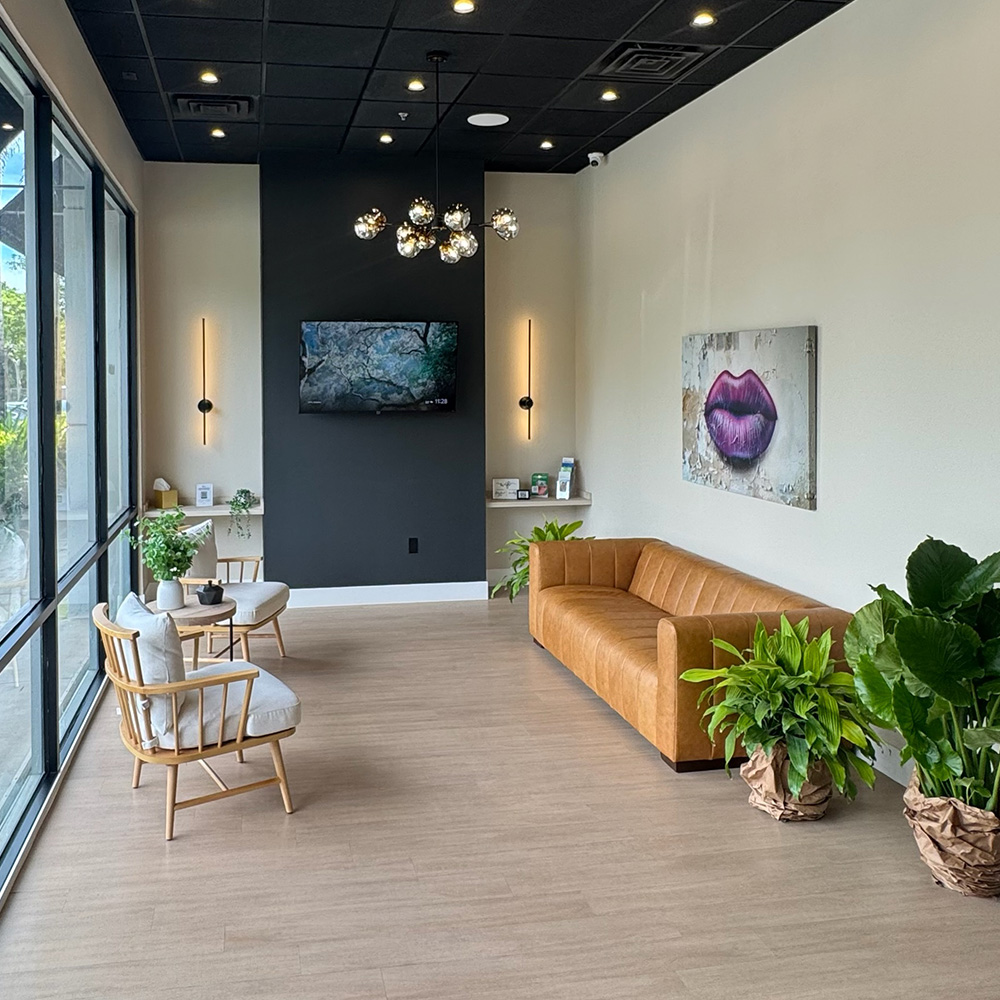
Ready to book your next dental visit or have questions about your care?
At Studio Dental Center for Advanced Dentistry, our team is here to make getting started simple and stress-free. Whether you call, email, or submit our online form, we’re happy to help with scheduling, treatment questions, or anything you need along the way. We take the time to listen and guide you through your options so you feel confident and informed at every step. Take the first step toward a healthier, more confident smile, reach out today and experience personalized care made easy.