When decay weakens a tooth, modern composite resin offers a conservative way to restore shape, strength, and appearance in a single visit. These tooth-colored materials are engineered to mimic natural enamel both in color and texture, so repairs blend in rather than stand out. For many patients, composite restorations provide a discreet solution that supports chewing function while preserving a pleasing smile.
Composite fillings are placed directly onto the prepared tooth and sculpted to match your bite and contours. The material bonds to the tooth structure, which helps stabilize weakened areas and can reduce the need for more extensive treatment later on. Because they are mercury-free and metal-free, composites are broadly accepted as a safe and versatile option for restoring cavities in both front and back teeth.
At Studio Dental Center for Advanced Dentistry, we prioritize restorations that look natural and perform reliably. Our approach emphasizes minimally invasive techniques and careful shade-matching so your filling complements the rest of your teeth. If you have concerns about the appearance or durability of previous restorations, a composite repair may be an effective alternative.
Unlike older restorations that relied on mechanical retention, composite fillings use an adhesive process to attach directly to enamel and dentin. This bonding allows us to remove less healthy tooth structure during preparation, preserving more of what’s natural. The result is a restoration that supports the remaining tooth and often requires less long-term alteration to surrounding tissues.
The adhesive interface also helps seal the margin between the filling and your tooth, reducing the risk that bacteria can migrate beneath the restoration. Proper technique—cleaning, conditioning, layering, and curing—plays a major role in creating a consistent, durable bond. When performed carefully, this process produces a filling that resists fracture and offers dependable service for many years.
Because composite materials are available in a range of shades and translucencies, we can match restorations to varying tooth colors and lighting conditions. This aesthetic versatility makes composites a common choice for visible areas while still providing strength for posterior teeth when properly placed and maintained.

When a cavity is identified, treatment typically begins with careful removal of decayed tissue. We use precise instruments and, when appropriate, magnification and digital imaging to ensure only affected areas are addressed. Local anesthesia is used as needed so most patients experience minimal to no discomfort during the procedure.
Once the tooth is prepared, the composite resin is placed in thin layers, with each layer shaped and hardened using a curing light. This incremental technique allows the clinician to build a restoration that follows the tooth’s natural anatomy and occlusion. After shaping, the surface is polished to a smooth finish that resists staining.
We understand that some patients feel anxious about dental procedures. If needed, our team can discuss sedation dentistry options to help you remain relaxed and comfortable throughout treatment. We take time to explain each step beforehand and answer questions so you feel informed and at ease.
After a filling, it’s normal to have temporary numbness from local anesthetic—avoid chewing until sensation returns to prevent accidentally biting the cheek or tongue. Mild sensitivity to hot, cold, or pressure is common for a few days as the tooth adjusts to the new restoration and the bite settles.
If sensitivity continues beyond a short adjustment period or if you experience persistent pain when biting, contact the office so we can evaluate the restoration and your bite. Occasionally, a small adjustment is needed to refine how the teeth come together. Prompt attention helps prevent minor issues from becoming larger problems.
Routine home care—brushing twice daily with fluoride toothpaste and flossing—paired with regular professional exams and cleanings helps your fillings last as long as possible. If you notice chips, roughness, or discoloration around a filling, bring it to our attention so we can determine whether repair or replacement is advisable.
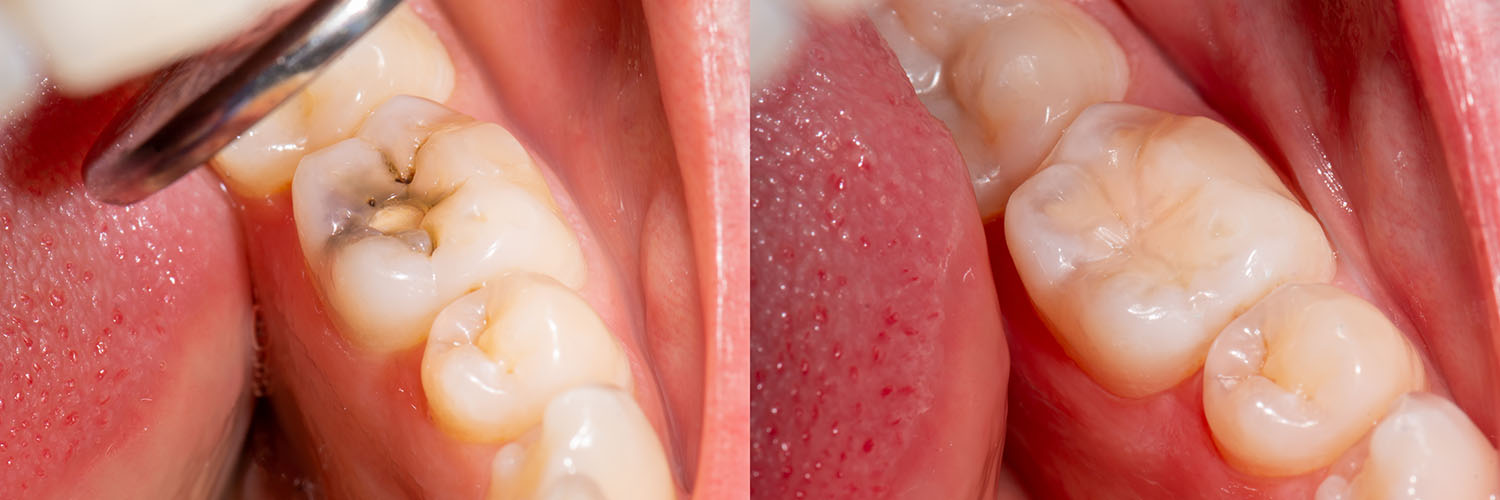
Composite fillings are a reliable solution for many cases, but they are not the only option when addressing tooth damage. For larger areas of decay or when a tooth has substantial loss of structure, alternatives such as inlays, onlays, or crowns may offer greater long-term protection. Your dentist will discuss the best path based on the tooth’s condition and your oral health goals.
To maximize the lifespan of any restoration, adopt steady preventive habits and schedule regular checkups. During routine visits we examine margins, contacts, and wear patterns to catch early signs of deterioration. Early detection allows for conservative repairs rather than more invasive treatments later on.
Every restoration is a partnership between quality clinical technique and responsible home care. If you have questions about the type of material used, how a filling will look in your mouth, or what to expect over time, we’re happy to explain the options and help you make an informed decision that fits your needs and priorities.
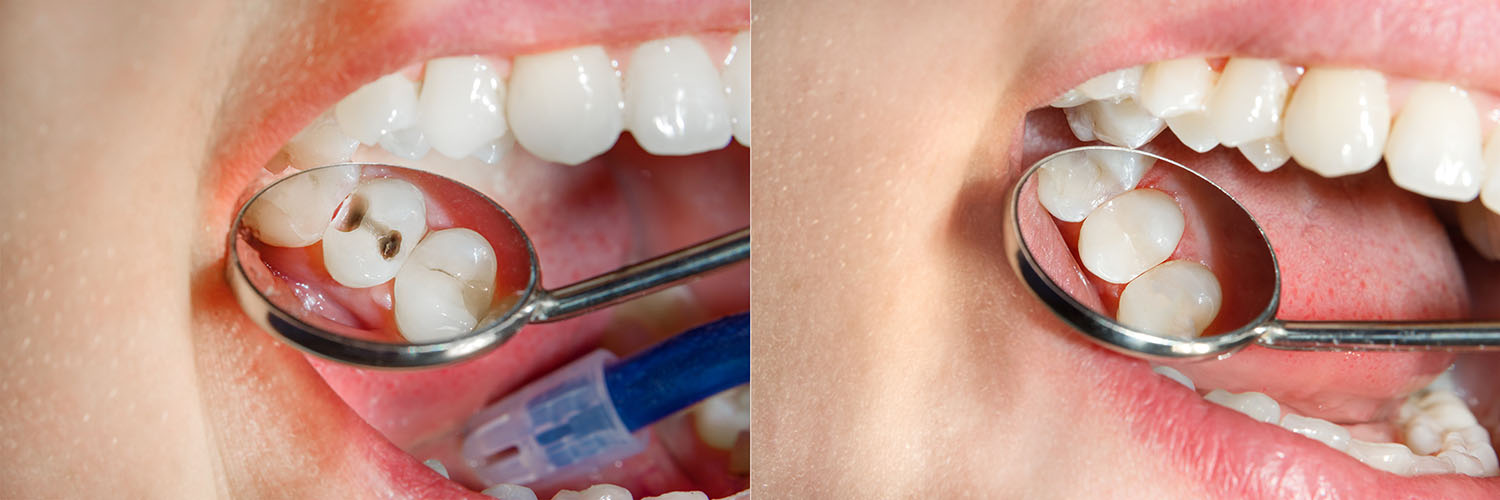
Our goal is to restore teeth in a way that feels comfortable, functions well, and looks natural. If you have questions about composite fillings or whether they are the right choice for you, we’re here to help.
To learn more about how composite fillings can restore your smile and protect your teeth, please contact us for more information.


Composite dental fillings are tooth-colored restorations made from resin materials that mimic the color and translucency of natural enamel. They are designed to restore a tooth's shape and function after decay is removed. Because composites are applied directly to the prepared tooth and sculpted, they provide an aesthetic alternative to metal fillings.
The material bonds to enamel and dentin through an adhesive process that helps stabilize weakened tooth structure. Layers of composite are placed incrementally and cured with a blue light to build up the restoration while controlling shrinkage. A properly bonded filling seals margins and helps prevent bacterial ingress beneath the restoration.
A filling appointment begins with a clinical exam and any necessary digital imaging to identify the extent of decay. Local anesthesia is used as needed to ensure patient comfort during removal of decayed tissue. The tooth is then cleaned and conditioned so the bonding agent and composite can adhere properly.
After placement, the clinician shapes and cures the composite in thin layers, then adjusts the bite and polishes the surface for a smooth finish. Most composite restorations can be completed in a single visit, though complex cases may require additional time or follow-up. If patients experience anxiety, sedation options can be discussed to improve comfort during treatment.
Composite fillings are resin-based and do not contain mercury or metal, making them a common modern choice for restoring cavities. They have been used widely in dentistry for decades and are considered biocompatible for most patients. If you have known material sensitivities, your dentist can recommend alternatives or specific products suited to your needs.
The practice uses materials that meet professional safety standards and follows careful handling and curing protocols to minimize any risks. Discussing your medical history and any allergies during your visit helps the team select the most appropriate restorative option. We can explain material composition and answer questions about safety so you can make an informed decision.
The lifespan of a composite filling depends on factors such as the size and location of the restoration, bite forces, and oral hygiene habits. Smaller, well-sealed restorations in low-stress areas typically last longer than large repairs in heavily loaded teeth. Bruxism, frequent acidic exposure, and poor oral care can accelerate wear or marginal breakdown.
Regular dental exams allow the team to monitor wear patterns and address minor issues before they progress to larger problems. Occasional repair of a small edge or replacement of a filling may be recommended based on clinical findings. Maintaining preventive habits and following your dentist's guidance helps maximize the service life of any restoration.
It is normal to experience temporary numbness after local anesthesia and mild sensitivity to hot, cold, or pressure for a few days following placement. Avoid chewing until feeling returns to prevent accidental biting of soft tissues. Over-the-counter pain relievers and avoiding extreme temperatures can help manage short-term discomfort.
If sensitivity persists beyond a short adjustment period, if you have sharp pain when biting, or if the restored tooth feels high when you close, contact the office for an evaluation. Sometimes a simple occlusal adjustment or minor repair resolves these issues quickly. Prompt assessment prevents small concerns from developing into more significant treatments.
Schedule an evaluation if you notice persistent sensitivity, new pain when biting, a visible crack or chip, or roughness and staining around a filling. These signs can indicate marginal breakdown, recurrent decay, or material wear that may require repair or replacement. A clinical exam and appropriate imaging will determine the extent of the problem and the best strategy for restoring the tooth.
In many cases, conservative repairs can extend the life of a restoration, while more extensive loss of tooth structure may call for an inlay, onlay, or crown. Your dentist will review treatment options and explain the benefits of each based on the tooth’s condition and your oral health goals. Early intervention typically preserves more natural tooth and simplifies treatment.
Shade matching begins with an assessment of your tooth color under natural light and takes into account translucency and surface texture. Composite systems offer multiple shades and opacities so clinicians can layer materials to reproduce depth and lifelike appearance. Digital shade tools and careful hand-layering techniques improve the accuracy of color reproduction.
After placement, the restoration is polished and refined to achieve a surface luster that blends with adjacent teeth and resists staining. Patients should be aware that restorations may change subtly over time with normal wear and exposure to staining foods and beverages. Routine maintenance and occasional polishing at checkups help keep fillings looking natural.
Composite fillings can be used in posterior teeth when placed with proper technique to withstand chewing forces. For larger cavities where a significant portion of the tooth is missing, indirect options such as inlays, onlays, or crowns may provide greater structural support. The decision depends on the remaining tooth structure, occlusion, and long-term prognosis for the tooth.
Adhesive bonding with composite often preserves more natural tooth structure than treatments that rely on mechanical retention. Your dentist will evaluate each case and recommend the approach that balances conservation, strength, and aesthetics. When appropriate, conservative indirect restorations can be fabricated to reinforce compromised teeth and restore function.
Good home care is essential to extend the life of fillings; brush twice daily with fluoride toothpaste and floss daily to limit decay at restoration margins. Avoiding habitual chewing on hard items and minimizing highly acidic or sugary snacks reduces wear and the risk of recurrent decay. If you grind or clench your teeth, discuss a protective nightguard with your dentist to reduce excessive stress on restorations.
Attend regular dental exams and cleanings so the team can monitor fillings for early signs of wear, leakage, or recurrent decay. Professional polishing can remove surface stains and help maintain an even finish on composite restorations. Reporting changes in sensation or appearance promptly allows timely, conservative care.
At Studio Dental Center for Advanced Dentistry, the team emphasizes minimally invasive techniques, careful shade matching, and modern adhesive methods when placing composite fillings. We use digital imaging, magnification, and precise preparation to remove only compromised tooth structure and preserve healthy tissue. Sedation options and a calm, patient-centered approach help patients feel comfortable during treatment when needed.
During follow-up visits the practice evaluates restorations for proper fit, function, and wear to identify any maintenance needs early. The goal is to restore teeth in a way that functions well and blends naturally with your smile while supporting long-term oral health. If you have questions about fillings or which material is best for your situation, the team is available to explain options and help you make an informed choice.

Ready to book your next dental visit or have questions about your care?
At Studio Dental Center for Advanced Dentistry, our team is here to make getting started simple and stress-free. Whether you call, email, or submit our online form, we’re happy to help with scheduling, treatment questions, or anything you need along the way. We take the time to listen and guide you through your options so you feel confident and informed at every step. Take the first step toward a healthier, more confident smile, reach out today and experience personalized care made easy.