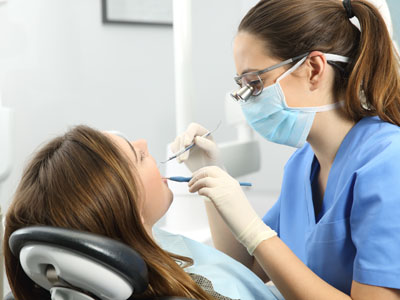
Even the most careful home-care routine has limits. Brushing and flossing remove daily buildup, but hardened deposits and bacteria that hide below the gumline or between tightly spaced teeth often require professional attention. Regular dental cleanings are a proactive way to keep small problems from becoming larger ones, and they give your dental team a chance to monitor changes in your oral health over time. At Studio Dental Center for Advanced Dentistry, we view cleanings as a cornerstone of preventative care—an opportunity to protect your smile and preserve overall health.
Professional cleanings do more than freshen your breath or brighten the surfaces of your teeth. They remove plaque and calculus (tartar) that accumulate in hard-to-reach areas and serve as reservoirs for bacteria that can lead to cavities and periodontal disease. Because tartar bonds tightly to enamel and can’t be eliminated with home brushing alone, a hygienist’s instruments are necessary to disrupt these biofilms safely and effectively.
Beyond mechanical removal, routine appointments allow clinicians to evaluate gum health, identify early signs of inflammation, and measure pocket depths where bacteria may be thriving. Detecting changes early makes it possible to intervene with conservative measures before more invasive treatments become necessary. In this way, cleanings act as an early-warning system for conditions that could affect both oral and systemic health.
Regular visits also help maintain the results of restorative and cosmetic work. Crowns, bridges, implants, and veneers require meticulous care to remain functional and attractive; professional cleanings remove deposits that could otherwise compromise these restorations. Ultimately, the cumulative effect of consistent maintenance is improved longevity and fewer surprises down the road.
A contemporary dental cleaning is a methodical, multi-step process designed to address different layers of deposits and to leave your mouth healthy and comfortable. The appointment typically begins with a review of your medical history and any changes in symptoms, followed by an examination of the teeth and gums. This assessment guides the hygienist’s approach, so care is tailored to your current needs rather than delivered as a one-size-fits-all procedure.
The cleaning itself often combines ultrasonic scaling with hand instruments. Ultrasonic devices use gentle vibrations and a water spray to break up large deposits, while hand scalers and curettes allow the hygienist to carefully remove smaller deposits and smooth root surfaces where bacteria accumulate. These complementary techniques reduce the chance of missed areas and make the procedure efficient and thorough.
After scaling, the hygienist will polish the teeth to remove superficial staining and apply a fluoride treatment when appropriate. Polishing enhances the feeling of cleanliness and can make home hygiene feel more effective afterward. Throughout the appointment, clinicians check for signs that require follow-up—such as deep pockets, persistent bleeding, or suspicious lesions—so that appropriate next steps can be planned and prioritized.
Advances in dental technology have made cleanings more comfortable and precise than ever. Ultrasonic scalers, ergonomic hand instruments, and magnification tools help clinicians remove deposits while minimizing discomfort and procedure time. In addition, our team follows strict infection control and sterilization protocols to ensure every instrument and surface is safe for use.
For patients with sensitivity or anxiety, several accommodations can improve the experience. Topical numbing gels may be applied for brief areas of tenderness, and local anesthesia is available when deeper cleaning or periodontal maintenance could cause discomfort. We also use high-volume suction and water irrigation to keep the mouth clear and reduce gagging, while gentle communication during treatment helps patients stay informed and relaxed.
Documentation and digital tools support clinical decision-making as well. Digital radiography and intraoral images allow clinicians to correlate cleaning findings with x-ray evidence, ensuring nothing important is overlooked. These technologies also help patients understand what the clinician sees, which leads to clearer treatment planning and stronger collaboration between you and your dental team.
Gum disease progresses in stages, and professional cleanings play a critical role at each step. Early inflammation (gingivitis) is often reversible with improved home care and professional hygiene. When disease advances to periodontitis, deeper cleaning and more frequent maintenance may be needed to control bacterial activity and prevent bone loss. Regular appointments make both detection and timely intervention possible.
During each visit, the hygienist measures pocket depths around the teeth, notes any bleeding on probing, and records changes from previous appointments. These measurements are objective indicators of gum health and inform whether a standard cleaning is sufficient or if more intensive periodontal treatment is required. Keeping a consistent schedule of cleanings gives clinicians the data they need to tailor ongoing care.
Maintenance frequency is individualized. Some patients with stable gums may be well served by twice-yearly visits, while others with previous periodontal issues might benefit from three- or four-month recall intervals. The goal is to establish a rhythm that prevents recurrence and supports long-term stability, reducing the risk of tooth loss and complex restorative needs later in life.
A successful cleaning appointment extends beyond the chair. Hygiene visits are an ideal time to revisit home-care techniques—proper brushing mechanics, effective flossing methods, and the strategic use of interdental aids like floss picks or water flossers. Small adjustments in technique can significantly reduce plaque accumulation and improve results between professional visits.
Dietary habits and lifestyle choices also influence oral health. Frequent snacking on sugary or acidic foods increases the risk of decay, while tobacco use and certain medications can affect gum health and saliva production. Hygienists provide practical, evidence-based guidance to help patients modify behaviors that undermine oral health, with realistic strategies suited to each person’s routines and preferences.
Finally, follow-up is a team effort. If the hygienist identifies an area of concern, they will communicate recommended next steps—whether that means an interval adjustment, a focused home-care plan, or referral to a dentist for further evaluation. Clear documentation of findings and open dialogue with patients ensure that care remains coordinated, consistent, and focused on lasting outcomes.
Dental cleanings are a foundational piece of preventive dentistry—simple, routinely performed, and highly effective when delivered and supported correctly. If you’d like to learn more about how professional cleanings can protect your smile and fit into a personalized care plan, please contact us for more information. We’re here to help you maintain oral health for life.


Professional dental cleanings remove plaque and hardened deposits such as calculus that accumulate in areas brushing and flossing cannot reach. These deposits harbor bacteria that contribute to cavities, gum inflammation and progressive periodontal disease. Cleanings also allow clinicians to evaluate oral tissues and identify early changes before they develop into more complex problems.
Beyond mechanical removal, routine cleanings support long-term restoration health by preventing buildup around crowns, bridges and implants. They also reduce oral bacterial burden, which can have implications for overall health when left unchecked. Regular maintenance helps preserve natural teeth and minimize the need for invasive interventions later.
Most patients benefit from twice-yearly cleanings to maintain oral health and allow clinicians to monitor changes over time. This interval is a general guideline that works well for people with stable gums and good home care. During these visits hygienists measure pocket depths, check for bleeding and assess restorative margins to establish a baseline.
Some patients with a history of periodontal disease or other risk factors may require more frequent recall, often every three to four months, to control bacterial activity and protect bone support. Your dental team will recommend a schedule based on clinical findings, previous treatment outcomes and individual risk factors. Maintaining the recommended rhythm of visits is key to preventing recurrence and preserving long-term stability.
A modern cleaning begins with a review of your medical history and an oral exam to tailor care to your current needs. Clinicians commonly use ultrasonic scalers to break up large deposits and hand instruments to remove residual calculus and smooth root surfaces. This combination helps ensure thorough removal while minimizing procedure time.
After scaling, teeth are polished to remove surface staining and, when appropriate, a fluoride treatment may be applied to strengthen enamel. Throughout the appointment clinicians check for signs that require follow-up, such as deep pockets, persistent bleeding or suspicious lesions. Digital x-rays and intraoral photos may be used to correlate findings and guide any necessary next steps.
Most cleanings are well tolerated and cause only mild discomfort or sensitivity for patients with healthy gums. Ultrasonic scalers and ergonomic hand instruments are designed to be efficient and gentle, and clinicians adjust technique according to each patient's comfort level. Communication during the appointment allows the hygienist to modify pressure and pacing to reduce discomfort.
For patients with sensitivity, topical numbing gels can be applied to tender areas and local anesthesia is available when deeper cleaning is necessary. Additional accommodations such as shorter visits, breaks and calming communication can help patients with anxiety feel more at ease. If you have special concerns, tell your dental team so they can plan for a comfortable experience.
Regular professional cleanings play a central role in preventing gingivitis from progressing to periodontitis by removing bacterial biofilms and tartar that drive inflammation. Early-stage gum disease is often reversible with improved home care and professional maintenance, while established periodontitis can be managed with deeper cleanings and more frequent recalls. Consistent monitoring and intervention reduce the risk of bone loss that leads to tooth mobility and eventual tooth loss.
During routine visits hygienists measure pocket depths and document bleeding on probing to detect disease activity and guide treatment decisions. When pockets deepen or inflammation persists, clinicians may recommend periodontal therapy or a shortened maintenance interval to regain control. The cumulative effect of preventive care is greater long-term stability and fewer complex restorative needs.
Professional cleanings remove plaque and deposits that can accumulate at the margins of crowns, bridges, veneers and around implant restorations. Left unchecked, these deposits increase the risk of decay on natural tooth structure and peri-implant disease around implants. Hygienists use instruments and polishing techniques appropriate for the type of restoration to avoid damage while ensuring cleanliness.
Implant maintenance often involves specialized instruments and careful monitoring for signs of inflammation, bone loss or loosening of components. Regular cleanings help preserve the fit and function of prosthetic work and extend its lifespan by preventing complications that might compromise the underlying structures. Clear communication between the hygienist and dentist ensures that any restorative concerns are promptly addressed.
Yes; clinicians tailor cleanings to accommodate sensitivity, anxiety and medical considerations to maximize safety and comfort. For sensitive areas topical anesthetic gels or local anesthesia can be used, and staff can schedule shorter or additional appointments for anxious patients. Infection control and medical history review guide decisions about timing and the need for additional precautions.
Patients with certain cardiac conditions or specific medical histories may require antibiotic premedication or coordination with their physician, and your dentist will advise if that applies to you. Medication changes, anticoagulants or conditions that affect healing also influence how clinicians approach scaling and recall intervals. Sharing an accurate medical history and current medication list before your appointment helps the team provide an appropriate plan of care.
Effective home care amplifies the benefits of professional cleanings and reduces plaque accumulation between visits. Brushing twice daily with a soft-bristled brush, cleaning interdental spaces with floss or interdental brushes, and using adjuncts like water flossers help disrupt biofilm where it forms. Regular use of fluoride toothpaste and attention to brushing technique support enamel health.
Lifestyle factors such as limiting sugary and acidic snacks, avoiding tobacco and staying hydrated also contribute to better oral health outcomes. If you experience dry mouth from medications or health conditions, your hygienist can recommend products or strategies to preserve saliva function. Routine check-ins with your dental team allow personalized adjustments to home-care strategies based on observed changes.
Clinicians perform a systematic periodontal assessment that includes measuring pocket depths with a periodontal probe and checking for bleeding on probing. These objective measurements, recorded over time, reveal trends in gum health and help determine whether standard cleaning or periodontal therapy is needed. Visual inspection for redness, swelling and recession is combined with probing data to form a comprehensive picture.
Digital radiographs and intraoral images are often used to evaluate bone levels and corroborate clinical findings, especially when chart changes are detected. Accurate documentation and comparison to prior visits enable the team to identify subtle progression or improvement and to plan appropriate maintenance intervals. Clear communication of results helps patients understand their status and participate in care decisions.
Before your appointment update your medical history and bring a current medication list so clinicians can consider any relevant factors that affect treatment. Arrive having brushed and flossed to give the hygienist a clear view of your home-care status and to make the appointment more efficient. Let the team know about recent symptoms such as bleeding gums, sensitivity or new oral lesions so they can prioritize those areas.
If you have dental anxiety or specific comfort needs, mention them when scheduling so accommodations can be arranged, such as additional time or topical anesthesia. Expect the hygienist to review findings with you and provide tailored home-care guidance and follow-up recommendations after the cleaning. Keeping a consistent recall schedule based on clinical advice helps preserve oral health over time.

Ready to book your next dental visit or have questions about your care?
At Studio Dental Center for Advanced Dentistry, our team is here to make getting started simple and stress-free. Whether you call, email, or submit our online form, we’re happy to help with scheduling, treatment questions, or anything you need along the way. We take the time to listen and guide you through your options so you feel confident and informed at every step. Take the first step toward a healthier, more confident smile, reach out today and experience personalized care made easy.