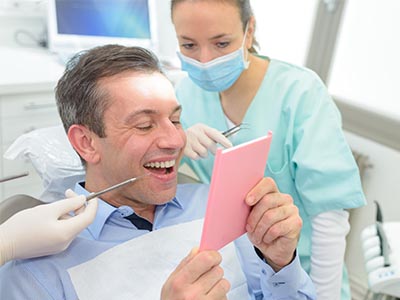
At the office of Studio Dental Center for Advanced Dentistry, we help patients restore missing teeth with solutions that balance durability, comfort, and a natural appearance. Dental bridges remain a reliable option for many people who want a fixed restoration that blends with surrounding teeth and reestablishes everyday function. Below you’ll find clear, practical information about why bridges matter, how they work, and what to expect if you and your dentist choose this path.
Losing a tooth is more than a cosmetic concern. When a gap is left unaddressed, neighboring teeth can gradually shift toward the empty space, disrupting the alignment of your bite. That change in position alters how forces are distributed when you chew, which can lead to excessive wear, new cavities, and even jaw pain over time.
Bone beneath an extracted tooth also begins to remodel and shrink because it no longer receives the stimulation that comes from biting and chewing. This gradual bone loss can change facial support and make future restorative options, like implants, more complicated. Replacing the missing tooth restores normal function and helps preserve the surrounding bone and tissue.
Speech and nutrition are practical reasons to consider replacement as well. A single missing posterior tooth can make chewing less efficient, while front-tooth gaps can affect how certain sounds are formed. Replacing teeth with a stable, fixed restoration supports both confidence and day-to-day comfort.
A dental bridge reconnects teeth across a gap by anchoring an artificial tooth (or teeth) to adjacent supports. In a traditional design those supports are crowns on neighboring teeth; in an implant-supported design the anchors are dental implants. Either way, the goal is the same: restore chewing function, maintain tooth position, and create a seamless aesthetic result.
Todays bridges are made from materials engineered for strength and lifelike appearance. High-quality ceramics and zirconia can be color-matched to surrounding teeth and resist staining and wear. The result is a restoration that feels comfortable in the mouth and is difficult to distinguish from natural teeth when placed with good technique.
Because bridges are fixed in place, they eliminate the daily handling and adjustment that removable partials require. Patients who choose a well-planned bridge often appreciate the stability it provides for eating and speaking, as well as the reduced maintenance compared with removable options.
There are several bridge designs, each suited to particular clinical situations. Traditional fixed bridges rely on prepared teeth on either side of the gap to support the pontic (the replacement tooth). Cantilever bridges attach to only one adjacent tooth and may be considered when only one strong abutment is available. Resin-bonded or Maryland-style bridges use a conservative approach with metal or ceramic wings bonded to the backs of adjacent teeth and are sometimes appropriate for single front-tooth replacements.
Implant-supported bridges use dental implants as the foundation rather than natural teeth. This option preserves adjacent tooth structure because it doesn’t require preparing healthy teeth for crowns. Implant-supported restorations can replace several missing teeth in a row and are often the preferred long-term solution when bone volume and overall health permit.
Choosing the right type depends on multiple clinical factors: the health and position of neighboring teeth, the quality and quantity of jawbone, the number and location of missing teeth, and the patient’s oral hygiene habits and expectations. Your dentist will weigh these considerations and discuss the trade-offs so you can make an informed decision.
Successful bridge treatment begins with a thorough evaluation. Your dentist will review your dental history, examine the remaining teeth and gums, and capture diagnostic images to assess bone support and tooth structure. Digital scanning and 3D imaging (CBCT) can provide precise information about root positions and jaw anatomy when implants are being considered.
Gum health is a crucial prerequisite. Periodontal disease must be controlled before a bridge is designed; inflamed or unstable gums compromise the longevity of any fixed restoration. If the natural teeth that would serve as abutments are weakened by decay, fractures, or inadequate bone support, alternative solutions — including implant-supported options — may be explored.
In some cases, preparatory procedures such as root canal therapy, crown lengthening, or bone grafting are recommended to create a stable foundation. These steps improve the predictability of the final result and extend the functional life of the restoration.
For a traditional fixed bridge, treatment normally occurs over multiple visits. The first appointment focuses on tooth preparation and impressions or digital scans. Temporary crowns or a provisional bridge protect prepared teeth while the laboratory crafts the permanent restoration. Temporaries help preserve tooth position and allow you to maintain function and appearance during the interim phase.
When implants are used to support a bridge, there is an additional surgical step. Implant placement is performed under local anesthesia (with sedation options available when appropriate), and the implant must integrate with the bone over a healing period before the final prosthesis is attached. Advances in planning and guided surgery make implant placement highly precise and comfortable for most patients.
After the permanent bridge is seated, your dentist will verify the fit, bite, and appearance, making any minor adjustments for comfort and proper occlusion. Follow-up visits ensure the restoration is functioning well and that surrounding tissues remain healthy. Long-term success depends on diligent oral hygiene, routine dental visits, and addressing any concerns promptly.
When thoughtfully planned and executed, a dental bridge can deliver a reliable and attractive restoration that supports function, preserves oral health, and restores confidence. If you’d like to learn more about whether a bridge is the right option for your smile, contact our office for more information.


A dental bridge is a fixed prosthetic used to replace one or more missing teeth by spanning the gap between natural teeth or implants. It typically consists of one or more pontics (replacement teeth) attached to abutments that anchor the restoration in place. Bridges restore chewing function and help maintain proper tooth alignment and facial support.
Modern bridges are fabricated from durable, tooth-colored materials such as ceramic or zirconia that are designed to match surrounding teeth. Because they are fixed, bridges provide stability that removable partial dentures do not. Your dentist will select a design and material that balances strength, aesthetics, and preservation of healthy tooth structure.
Replacing missing teeth prevents neighboring teeth from drifting into the empty space, which can lead to bite changes and uneven wear. Unaddressed gaps can also create areas that are harder to clean, increasing the risk of decay and gum disease around adjacent teeth. Restoring a missing tooth helps maintain predictable chewing function and overall oral balance.
Bone beneath an extracted tooth can resorb over time when it is not stimulated by biting, which may alter facial contours and complicate future restorative options. Speech and dietary choices can be affected by missing front or back teeth, so timely replacement supports both comfort and nutrition. A dental bridge is one of several predictable ways to restore form and function after tooth loss.
Common bridge designs include traditional fixed bridges that use crowns on adjacent teeth, cantilever bridges that anchor to a single abutment, and resin-bonded (Maryland) bridges that attach with bonded wings. Another widely used option is the implant-supported bridge, which uses dental implants as the foundation rather than natural teeth. The right type depends on the number and location of missing teeth and the condition of surrounding structures.
Materials for bridges have advanced to offer excellent strength and lifelike aesthetics; ceramics and zirconia resist staining and can be color-matched to natural teeth. Some designs are more conservative of tooth structure, while others prioritize long-term durability. Your clinician will review the pros and cons of each approach during treatment planning.
Placement of a traditional fixed bridge usually begins with preparing the abutment teeth by removing a small amount of enamel to accommodate crowns. The dentist then takes impressions or digital scans and places temporary restorations to protect prepared teeth while the laboratory fabricates the final bridge. This stage preserves tooth position and appearance during fabrication.
When the permanent bridge is ready, it is fitted and adjusted for proper bite, contour, and aesthetics before being permanently cemented. The dentist will check occlusion and make any minor refinements to ensure comfort and function. Follow-up visits confirm that the restoration and surrounding tissues are healthy and stable.
An implant-supported bridge uses dental implants as the anchors for pontics, eliminating the need to prepare adjacent healthy teeth. This option preserves surrounding tooth structure and can replace several missing teeth in a row with a strong, stable restoration. Implant-supported bridges are often chosen for their long-term predictability when bone volume and overall health allow.
Candidates for implant-supported bridges must have adequate jawbone and be in good general and oral health; smoking, certain medical conditions, or inadequate bone may require additional planning or treatments. Advanced imaging such as CBCT and careful treatment planning help determine implant position and the timing of restoration. When appropriate, implant-supported solutions can restore function and simplify maintenance compared with some traditional designs.
Preparing for bridge treatment starts with a comprehensive oral exam that includes dental history, a clinical evaluation, and diagnostic imaging to assess tooth and bone health. Gum disease and active decay must be addressed before a bridge is planned because healthy tissues are essential for long-term success. Your dentist may use digital scanning or CBCT imaging to gather precise information for the proposed restoration.
In some cases, preparatory procedures such as root canal therapy, crown lengthening, or bone grafting are recommended to create a stable foundation for the bridge. These steps improve the predictability of the final restoration and may extend its functional life. A clear treatment timeline and care instructions will be provided so you know what to expect at each phase.
After bridge placement patients often experience mild sensitivity or soreness around the prepared teeth that typically resolves within a few days to weeks. Maintaining excellent oral hygiene and following post-operative instructions reduces the chance of complications and supports healing. If implants were placed, the implant site will be monitored as it integrates with the bone during the healing period.
Follow-up appointments allow the dentist to check the fit, occlusion, and tissue health and to make any necessary adjustments. Routine examinations and professional cleanings help detect early signs of wear, decay, or gum problems that could affect the bridge. Promptly reporting unusual pain, looseness, or chewing difficulty helps preserve the restoration and surrounding teeth.
Caring for a dental bridge involves daily brushing and cleaning beneath the pontic with floss threaders, interdental brushes, or water flossers to remove plaque and food debris. Good oral hygiene reduces the risk of decay on abutment teeth and helps prevent gum disease, both of which can compromise the bridge. Choosing a nonabrasive toothpaste and a soft-bristled brush helps protect the restoration's surface.
Regular dental checkups and professional cleanings are important to monitor the bridge and the health of supporting teeth and gums. Avoiding hard foods and habits such as opening packages with your teeth helps reduce the risk of fracture or loosening. If you grind your teeth, discuss protective options such as a night guard to reduce stress on the restoration.
The lifespan of a dental bridge varies with material, oral hygiene, and the health of abutment teeth; many bridges function well for a decade or longer with proper care. Restorations made from high-quality ceramics or zirconia tend to offer strong wear resistance while providing attractive aesthetics. Regular maintenance and prompt treatment of decay or gum disease extend the useful life of the bridge.
Factors that influence longevity include the patient's bite, bruxing habits, the quality of restorative work, and how well home care and professional visits are maintained. Recurrent decay or periodontal problems around abutment teeth are common reasons a bridge may need replacement. When a bridge reaches the end of its serviceable life, the dentist will discuss replacement options, including implant-supported alternatives when appropriate.
At Studio Dental Center for Advanced Dentistry we combine advanced diagnostics with personalized planning to design bridges that meet each patient's functional and aesthetic goals. Our team uses tools such as digital scanning and CBCT imaging to plan restorations with precision and to communicate expected outcomes. Treatment is tailored to preserve healthy tooth structure while achieving a natural-looking result.
Dr. Cynthia Bouchard-Lavenka and the clinical team review material choices, bridge designs, and long-term maintenance strategies with each patient so they can make an informed decision. The practice emphasizes whole-health prevention and thoughtful follow-up care to support durable results. Patients receive clear instructions and scheduled checkups to monitor the restoration and surrounding tissues over time.

Ready to book your next dental visit or have questions about your care?
At Studio Dental Center for Advanced Dentistry, our team is here to make getting started simple and stress-free. Whether you call, email, or submit our online form, we’re happy to help with scheduling, treatment questions, or anything you need along the way. We take the time to listen and guide you through your options so you feel confident and informed at every step. Take the first step toward a healthier, more confident smile, reach out today and experience personalized care made easy.