At Studio Dental Center for Advanced Dentistry, we approach a cosmetic smile makeover as a thoughtful blend of artistry and evidence-based dentistry. A makeover is more than a cosmetic edit — it’s a careful redesign of form and function that restores confidence, improves oral health, and produces a natural-looking result that suits your facial features and lifestyle. Whether discoloration, chips, gaps, worn teeth, or missing teeth have affected the way you feel about your smile, a coordinated plan can address those concerns while preserving dental health for the long term.
A cosmetic smile makeover is a highly individualized process that targets the visible concerns that matter most to you. Some patients are focused on brightening and surface appearance, while others need structural repairs or tooth replacement to achieve a balanced, functional smile. The goal is to create harmony between tooth color, shape, alignment, and the way your teeth meet when you bite — what clinicians call occlusion — so your new smile looks beautiful and performs reliably.
Beyond aesthetics, well-planned cosmetic work can protect teeth that are worn or weakened, reduce uneven wear patterns, and help prevent future problems. For example, correcting an uneven bite may decrease stress on certain teeth and reduce sensitivity or chipping over time. Because long-term success depends on more than just looks, care teams consider your oral health history, gum condition, and bite mechanics when designing a makeover.
Patients also benefit from predictable outcomes when treatment is coordinated and sequenced thoughtfully. A complete makeover may involve multiple disciplines — cosmetic restorations, periodontal care, orthodontics, and prosthetic replacement — and when these elements are integrated, the result is a cohesive smile that feels as good as it looks.
Successful cosmetic dentistry starts with listening. During an initial consultation, we take time to understand your priorities, lifestyle, and any concerns about dental comfort or function. Visual tools, photos, and digital mock-ups help clarify goals so you and your dental team share a clear vision of what the finished smile should look like. This collaboration ensures the plan reflects your preferences while honoring clinical considerations.
A thorough clinical exam follows the conversation: charting tooth health, evaluating gum support, reviewing bite relationships, and taking diagnostic images as needed. This examination identifies any underlying conditions that should be stabilized before cosmetic work begins — for example, active decay, gum inflammation, or tooth mobility. Treating these issues first creates a healthy foundation that supports durable cosmetic results.
Every treatment plan is staged according to priorities and biological imperatives. Conservative options are favored when possible, and when multiple procedures are recommended, the sequence is designed to protect tooth structure and optimize healing. Your dentist will review the expected timeline, maintenance recommendations, and follow-up care required to preserve your new smile for years to come.
A range of clinically proven procedures can be combined to address different cosmetic goals. Professional whitening is often a first step to lift staining and set a baseline color that other restorations can match. For small chips, gaps, or irregular edges, tooth-colored bonding provides a minimally invasive way to reshape teeth and restore symmetry.
Porcelain veneers and ceramic crowns are durable options for more substantial cosmetic challenges. Veneers cover the front surface of teeth to refine shape and shade with a conservative preparation, while crowns restore teeth that need full-coverage protection due to structural damage. Modern ceramic materials offer lifelike translucency and strength, allowing restorations to mimic natural teeth closely.
When teeth are missing, replacing them is an essential component of many makeovers. Options include implant-supported restorations, bridges, or precision-engineered partial dentures, chosen based on the patient’s oral health, bone support, and aesthetic goals. Orthodontic solutions — clear aligners or braces — can also be part of the plan when alignment or spacing needs correction before restorative work.
Advances in dental technology have made it possible to visualize outcomes and deliver restorations with greater precision. Digital scanners and intraoral cameras capture accurate impressions and detailed images without messy impression material, while digital smile design software allows patients to preview proposed changes and provide feedback before treatment begins.
Three-dimensional imaging and cone-beam computed tomography (CBCT) are invaluable when planning implant placement or evaluating jawbone structure. These tools help ensure restorations are positioned for optimal function and aesthetics, reducing surprises during treatment and improving long-term stability. CAD/CAM systems and high-quality ceramics enable same-day or efficiently fabricated restorations with consistent fit and natural appearance.
Material science has also evolved: contemporary composites, porcelains, and zirconia offer excellent strength and lifelike optical properties. These materials are chosen to match enamel translucency and color while meeting the functional demands of your bite, so the finished smile integrates seamlessly with surrounding teeth.
Once a treatment plan is agreed upon, care typically progresses in clear phases. Initial appointments may focus on health-related needs — treating decay, addressing gum inflammation, or preparing teeth for restorations. Next, cosmetic work is staged according to the plan, whether that means whitening, conservative bonding, placement of veneers or crowns, orthodontic alignment, or implant therapy. Each step includes temporary measures and detailed checks to ensure fit, function, and appearance meet agreed expectations.
Healing and adjustment periods vary by procedure. For example, soft tissue healing after periodontal work usually requires several weeks, while ceramic restorations often need follow-up visits to fine-tune occlusion and polish margins. Your dentist will explain what to expect after each appointment, including any short-term sensitivity and recommended care practices to support healing.
Long-term success depends on routine maintenance. Regular professional cleanings, daily oral hygiene, and periodic checkups help preserve both the health and appearance of cosmetic restorations. Night guards or occlusal appliances may be recommended for patients who clench or grind, protecting your investment and extending the life of restorations.
Throughout the makeover journey, the team at Studio Dental Center for Advanced Dentistry emphasizes clear communication and predictable care. We strive to help patients make informed choices and walk away with a smile that reflects their personality and dental health — an outcome that looks natural and lasts.
Ready to learn more? If you’re considering a cosmetic smile makeover and want to explore options, please contact us for more information and to schedule a consultation. Our team is here to answer your questions and help you plan the path to a healthier, more confident smile.


At Studio Dental Center for Advanced Dentistry, a cosmetic smile makeover is a comprehensive, personalized approach to improving the appearance and function of your teeth. It combines esthetic treatments and restorative dentistry to correct issues such as discoloration, chips, gaps, worn enamel, and missing teeth while preserving oral health. The goal is to create a balanced smile that complements your facial features and supports long-term function.
Rather than a single procedure, a makeover is a coordinated plan that may include whitening, bonding, veneers, crowns, orthodontics, or implant therapy depending on your needs. Each element is selected to address specific concerns while protecting remaining tooth structure and supporting healthy gum tissue. Patients benefit from a focus on predictable outcomes and a treatment sequence that prioritizes stability and durability.
Good candidates are patients who want to improve the appearance of their smiles and who have manageable oral health conditions that can be stabilized before cosmetic work begins. An initial evaluation looks for active decay, gum disease, tooth mobility, and bite issues that should be treated first to create a healthy foundation for esthetic restorations. Candidates should also have realistic expectations and be willing to follow recommended maintenance and follow-up care.
Age is not the sole factor; adults at many stages of life can benefit from makeovers when treatments are tailored to their health, lifestyle, and esthetic goals. Patients who grind or clench, have uneven wear, or have missing teeth often need a staged plan that addresses function as well as appearance. A collaborative consultation helps determine whether a makeover is appropriate and which procedures should be prioritized.
Makeovers commonly combine conservative and restorative procedures to achieve both esthetic and functional goals. Typical elements include professional whitening to establish color, composite bonding for minor shaping or chips, porcelain veneers and ceramic crowns for more extensive esthetic changes, orthodontic alignment with clear aligners or braces, and implant-supported restorations for missing teeth.
Periodontal care and occlusal adjustments are often part of the plan to ensure healthy gums and a stable bite, and night guards or occlusal appliances may be recommended to protect restorations. The exact combination depends on your priorities and clinical findings, and your dentist will explain why each recommended treatment contributes to a durable, natural-looking result.
Treatment planning begins with a detailed consultation in which your goals, expectations, and daily habits are discussed so the plan reflects your lifestyle and priorities. Diagnostic records such as photographs, digital scans, and radiographs are used to document your current condition and to guide decisions about tooth shape, color, and bite relationships. Digital smile design tools and mock-ups allow you to preview proposed changes and provide feedback before irreversible work begins.
Clinical factors such as gum health, tooth vitality, and bite mechanics determine staging and sequencing to protect tooth structure and optimize healing. When underlying issues exist, those are stabilized first so cosmetic restorations are placed on a healthy foundation. Your dentist will review the timeline, recommended maintenance, and how each step supports long-term success.
Digital technology increases predictability and patient involvement throughout a makeover. Intraoral scanners, digital smile design software, and three-dimensional imaging help capture precise data, create visual treatment previews, and plan implant positions or restorative contours with high accuracy. These tools reduce guesswork and allow clinicians to manufacture restorations with excellent fit and esthetics using CAD/CAM systems and high-quality ceramics.
Digital workflows also improve communication between the patient, dentist, and dental laboratory, speeding up adjustments and helping ensure the final result matches the agreed design. For more complex cases, CBCT imaging provides critical information about bone volume and jaw relationships that supports safe implant placement and predictable restorative outcomes. The result is a more efficient, transparent process with fewer surprises.
The timeline for a makeover varies widely depending on the scope of treatment and whether preparatory health issues need attention. Simple cases focusing on whitening and bonding can be completed in a few visits spread over weeks, while comprehensive plans that include orthodontics, implant placement, or full-mouth rehabilitation may take several months to more than a year. Each phase is scheduled to allow for healing and verification of function before moving to the next step.
When sequencing multiple specialties, care teams coordinate appointments to optimize outcomes and reduce unnecessary delays, and temporary restorations or provisional appliances are often used to protect esthetics and function during transitions. Your clinician will provide an individualized timeline and explain what to expect at each stage so you can plan accordingly and understand follow-up needs.
Recovery depends on the specific treatments performed; minor procedures such as bonding and whitening typically have minimal downtime, while surgical procedures like implant placement require more recovery time and interim healing checks. Short-term sensitivity or mild discomfort may occur after certain treatments, and your dentist will outline pain management, dietary guidance, and oral hygiene measures to support healing. Follow-up visits are scheduled to verify tissue health and the fit and function of restorations.
Long-term maintenance is essential for preserving both esthetics and oral health and includes daily brushing and flossing, regular professional cleanings, and periodic examinations to monitor restorations and surrounding tissues. Patients who clench or grind may benefit from a custom night guard to protect new restorations, and maintenance protocols are tailored to the materials used and your bite dynamics. Adhering to recommended care helps extend the life of cosmetic work and detect potential concerns early.
Achieving a natural result begins with careful analysis of facial proportions, lip dynamics, tooth display, and the relationship between teeth and gum tissue. Digital mock-ups and provisional restorations let patients and clinicians evaluate shape, size, and shade in real life before finalizing ceramic or composite work. Attention to subtleties such as translucency, surface texture, and how teeth reflect light helps restorations blend seamlessly with natural dentition.
Clinicians select materials and finishing techniques based on both esthetic goals and functional demands to ensure restorations perform well in the long term. A conservative approach that preserves tooth structure where possible and a multidisciplinary plan that addresses alignment and gum health support results that are both beautiful and durable. Ongoing adjustments and polish sessions after placement refine the outcome and maintain natural appearance over time.
Implants are recommended when replacing missing teeth is essential to restore function, prevent bone loss, and support esthetics, especially in the visible areas of the smile. They provide a fixed, stable foundation for crowns or implant-supported bridges and are planned using three-dimensional imaging to ensure proper angulation and integration with surrounding structures. In many makeovers, implant therapy is combined with soft tissue management to achieve harmonious gum contours and tooth proportions.
Orthodontic treatment is necessary when tooth alignment or spacing prevents predictable restorative results or compromises bite function. Clear aligners or braces can reposition teeth to create ideal spacing, improve occlusion, and make subsequent restorations more conservative and long-lasting. Coordinating orthodontics with restorative and periodontal care yields outcomes that are both esthetic and mechanically sound.
To explore whether a cosmetic smile makeover is right for you, schedule a consultation to discuss your goals, receive a thorough oral health evaluation, and review diagnostic imaging and possible treatment options. During the visit, your dental team will use visual tools and digital mock-ups to clarify expectations and outline a personalized plan that addresses both esthetic desires and clinical needs. This visit is an opportunity to ask detailed questions about the recommended sequence of care and what to expect during each phase.
If you are ready to begin, contact Studio Dental Center for Advanced Dentistry to arrange a consultation with the team and learn more about the technologies and clinical approaches used to create predictable, natural-looking results. Your dentist will explain next steps and help you prioritize treatments to achieve a healthy, confident smile that fits your lifestyle.
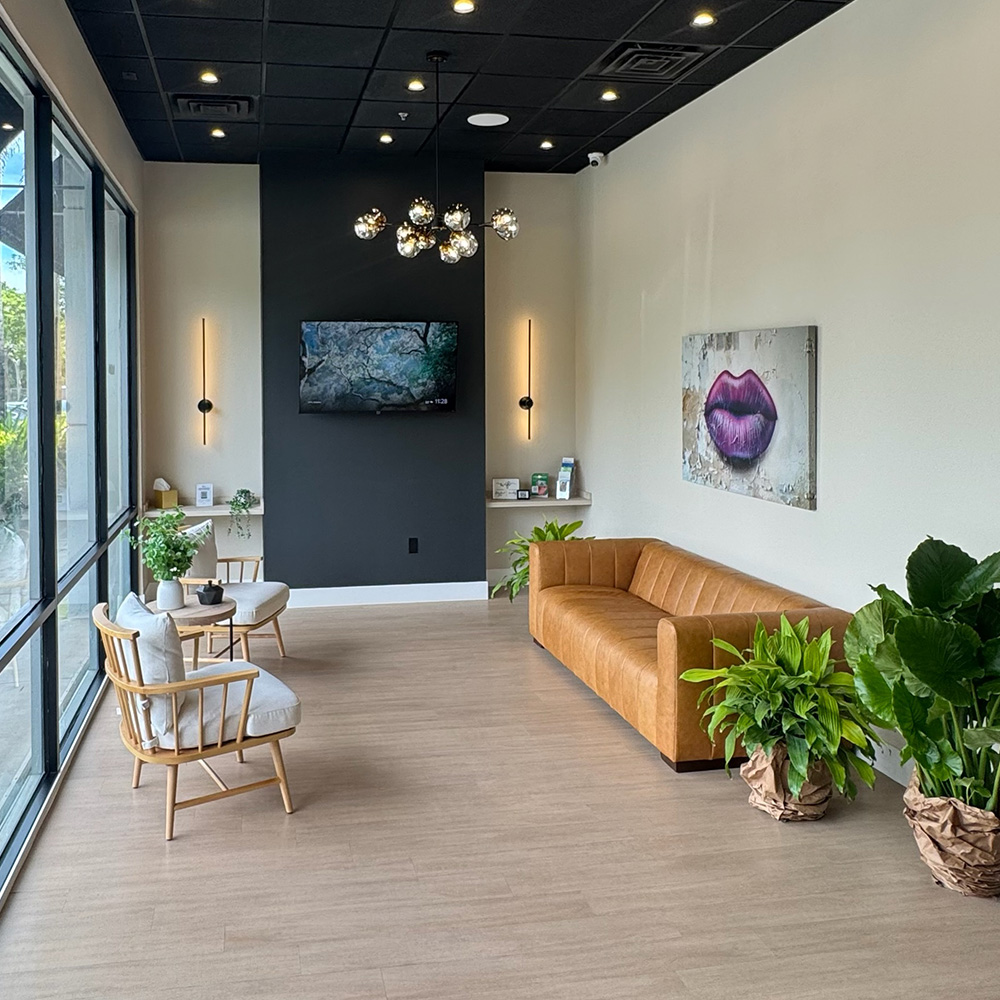
Ready to book your next dental visit or have questions about your care?
At Studio Dental Center for Advanced Dentistry, our team is here to make getting started simple and stress-free. Whether you call, email, or submit our online form, we’re happy to help with scheduling, treatment questions, or anything you need along the way. We take the time to listen and guide you through your options so you feel confident and informed at every step. Take the first step toward a healthier, more confident smile, reach out today and experience personalized care made easy.