CEREC® offers convenient, faster and more comfortable care to provide a range of high quality same day restorations including ceramic crowns, inlays and onlays.
In just one appointment you can have a naturally beautiful restoration to enhance the beauty and function of your smile. With CEREC® there is no need for multiple office visits, messy dental impressions, a temporary crown, or waiting weeks for your dental work to come back from the laboratory. Your new restoration is designed and customized to the exact specifications of your smile all in the very same day!
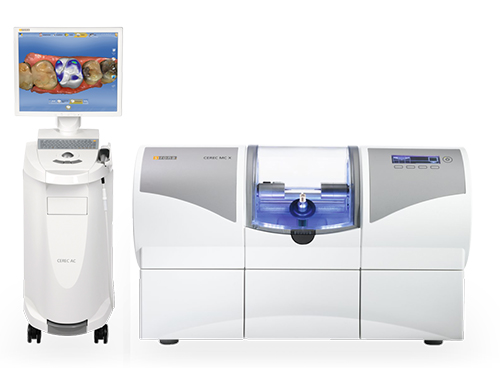
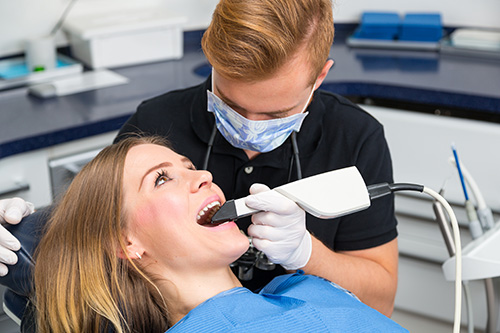
CEREC® is an advanced method of care, which allows for the preparation and placement of same day ceramic restorations. Offering the utmost in terms of quality and convenience, this high-tech system utilizes CAD/CAM technology, or computer aided design and computer aided manufacturing to make every step of the restoration process more patient-friendly and precise. Using an ergonomically designed intraoral scanning wand in place of a conventional dental impression, the dentist is able to capture detailed 3D images of the prepared tooth and surrounding dentition. These images are then integrated by an advanced computer software program to produce an accurate model and plan a precise fitting, functional, and cosmetically pleasing restoration. As soon the restoration is designed and approved by the dentist, the information is sent wirelessly to a chairside milling machine where a ceramic restoration is fabricated as the patient waits.

A CEREC® single visit crown offers much more than a convenient approach to getting a dental crown. It is a high quality, naturally beautiful, extremely durable and long-lasting dental restoration!


CEREC is a chairside digital dentistry system that combines intraoral scanning, CAD/CAM design software and an on-site milling unit to create ceramic restorations in a single visit. The process begins with a digital scan of the prepared tooth and bite, producing a highly detailed three-dimensional model. That digital model is used to design the restoration on-screen so the dentist can fine-tune contacts, margins and occlusion before fabrication.
Once the design is approved, the file is sent to an in-office milling machine that carves the restoration from a solid ceramic block. After milling, the restoration is finished, stained or glazed as needed, and then bonded to the tooth during the same appointment. The integrated workflow reduces turnaround time while maintaining clinical control over fit and esthetics.
Same-day CEREC restorations eliminate the need for multiple appointments and temporary crowns, which means patients leave with a finished restoration on the day of treatment. The streamlined workflow reduces the potential for errors associated with manual impressions and laboratory communication, giving clinicians direct oversight of the entire process. Many patients appreciate the convenience of fewer visits and the immediate restoration of chewing function and esthetics.
Clinically, digital impressions and in-office milling often result in restorations that require fewer adjustments at cementation because the design is based on precise three-dimensional data. Eliminating temporaries also lowers the chance of sensitivity, fit problems or temporary failures during the interim period. Overall, same-day restorations can enhance treatment predictability and patient comfort when indicated.
Intraoral scanning replaces traditional impression trays and putty with a small wand that captures hundreds of images to build a three-dimensional model of the prepared tooth and surrounding structures. Most patients describe scanning as more comfortable and faster than conventional impressions because the procedure avoids bulky materials and gag-inducing trays. The scanning display also allows the dentist to review, rotate and verify the anatomy immediately, making it easier to identify and correct any issues before fabrication.
From a clinical perspective, digital scans improve accuracy by removing variables like material distortion and inconsistent pouring techniques. Scans are instantly available for design and can be stored indefinitely for future reference, facilitating consistent follow-up care. Additionally, digital records can be integrated with other technologies such as CBCT or orthodontic planning when comprehensive treatment coordination is needed.
After a digital scan is captured, CAD/CAM software translates the data into a virtual restoration that accounts for bite alignment, occlusal forces and neighboring tooth contours. The clinician can refine the design on screen, adjusting occlusion, contact points and anatomical form to achieve an optimal fit and appearance. This digital design is saved as a manufacturing file that guides the milling unit during fabrication.
The milling machine sculpts the restoration from a solid ceramic block using precise cutting tools, producing a restoration with consistent internal fit and external anatomy. Finished restorations are then polished, stained or glazed to match adjacent teeth and to achieve the desired surface properties. Because the milling and finishing occur on-site, clinicians can verify fit and make final adjustments immediately before bonding.
CEREC restorations are typically milled from advanced ceramics such as lithium disilicate or high-strength feldspathic blocks that balance durability with optical properties similar to natural enamel. These materials offer good translucency, color stability and the ability to be characterized with stains or glazing for a lifelike appearance. When properly designed and finished, ceramic restorations can closely mimic light reflection and surface texture of surrounding teeth.
In addition to esthetics, modern dental ceramics are engineered for strength and wear resistance appropriate for both anterior and posterior teeth when indications are met. Ceramic restorations are biocompatible and generally gentle on opposing dentition, preserving comfortable occlusion and natural wear patterns. Long-term color stability and resistance to staining make them an attractive option for many restorative needs.
CEREC is well suited for patients who require single crowns, inlays, onlays or the repair of broken or decayed teeth when a sufficient amount of tooth structure remains. Candidates should have healthy surrounding gum tissues and occlusal conditions that allow a single-unit restoration to provide durable function. Complex multi-unit cases, severely worn dentition or extensive bite issues may require alternative approaches that are planned in collaboration with the treating dentist.
At Studio Dental Center for Advanced Dentistry, the clinical team evaluates each case holistically, considering tooth condition, bite dynamics and long-term prognosis when recommending CEREC versus other restorative methods. The decision is based on clinical objectives and the anticipated functional and esthetic needs of the patient. When appropriate, CEREC can be integrated into broader treatment plans that include implants, orthodontics or full-mouth rehabilitation.
A typical CEREC appointment begins with assessment, local anesthesia as needed and conservative tooth preparation to remove decay or old restorative material. The dentist then captures a digital scan of the prepared tooth and the opposing bite before designing the restoration with CAD/CAM software. Once the design is finalized, the restoration is milled, finished and tried in to confirm fit and esthetics.
After fit verification, the restoration is polished or glazed and bonded to the tooth using adhesive protocols tailored to the chosen material. The dentist checks occlusion and makes any final adjustments to ensure comfortable function. Patients usually leave the office with a permanent restoration and postoperative care instructions for optimal healing and maintenance.
Care for a CEREC restoration is similar to care for natural teeth and conventional restorations, focusing on daily brushing with a fluoride toothpaste and regular flossing to maintain healthy gums and prevent recurrent decay. Avoiding very hard or sticky foods at the margins initially helps the bond fully set and reduces early stress on the restoration. Routine dental visits for professional evaluation and hygiene allow the clinician to monitor the restoration and surrounding tissues.
If you notice sensitivity, a change in bite, or any chipping or roughness, contact your dentist to schedule an evaluation so minor adjustments can be made before problems progress. Maintaining overall oral health, including managing bruxism or bite irregularities if present, supports the longevity of any ceramic restoration. With proper home care and regular professional maintenance, CEREC restorations can provide long-term function and esthetics.
CEREC provides the advantage of a controlled, single-visit workflow that allows clinicians to oversee design, fabrication and finishing, reducing the chances of miscommunication with an external laboratory. Traditional lab-fabricated restorations may be preferred in certain complex cases because laboratories can layer porcelain or use specialized techniques for multi-unit esthetic demands. Both methods can produce high-quality results when chosen based on clinical indication and restorative goals.
The choice between CEREC and lab work depends on factors such as case complexity, material selection and the degree of customization required for esthetics or occlusion. Digital workflows can often achieve comparable fit and appearance for single-unit restorations while offering time-saving benefits. Dentists evaluate the best method for each patient to balance durability, esthetics and overall treatment planning needs.
While CEREC is an effective option for many single-unit restorations, limitations include cases with extensive tooth loss, certain occlusal patterns or the need for multi-unit prosthetics where laboratory techniques may offer superior customization. Risk factors such as uncontrolled bruxism, inadequate remaining tooth structure or compromised periodontal health can affect the longevity of any restoration and should be addressed as part of comprehensive treatment planning. Material selection and proper bonding protocol are critical to reducing the risk of fracture or debonding.
Patients should discuss their full dental history and functional concerns with the treating dentist so potential risks are identified and managed before proceeding. In some situations, adjunctive treatments like core buildup, onlays instead of crowns, or occlusal splints may be recommended to optimize outcomes. Thorough diagnosis and conservative planning help ensure predictable, long-lasting results.
Ready to book your next dental visit or have questions about your care?
At Studio Dental Center for Advanced Dentistry, our team is here to make getting started simple and stress-free. Whether you call, email, or submit our online form, we’re happy to help with scheduling, treatment questions, or anything you need along the way. We take the time to listen and guide you through your options so you feel confident and informed at every step. Take the first step toward a healthier, more confident smile, reach out today and experience personalized care made easy.