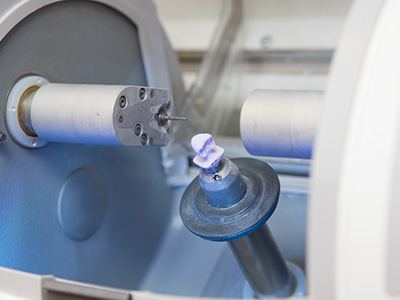
Balancing busy schedules and quality dental care shouldn’t be a trade-off. At Studio Dental Center for Advanced Dentistry, we prioritize treatments that respect your time while maintaining excellent clinical standards. One such innovation is the CEREC® Primemill, a next-generation, chairside milling system that enables precise, same-day ceramic restorations. This technology helps streamline appointments by producing durable, well-fitting crowns and inlays during a single visit — reducing the steps between diagnosis and completion without compromising accuracy or aesthetics.
The traditional path for a crown or onlay often spans multiple appointments: tooth preparation, temporization, lab fabrication, and final cementation. Primemill reconfigures that timeline by integrating high-speed milling with modern digital design, so a final restoration can be delivered while you remain comfortably in the chair. This doesn’t simply save time; it reduces the number of times your tooth is handled, which can lower the chance of fit-related adjustments later.
Because the entire fabrication process happens in a controlled clinical environment, clinicians keep direct oversight of fit, occlusion, and shade matching from start to finish. The result is an efficient workflow that emphasizes clinical control and patient convenience, allowing you to leave the office with a finished restoration rather than a temporary solution.
For patients who value fewer appointments and predictable outcomes, same-day restorations made with Primemill are an appealing option. The technology is designed to support accurate margins and fine anatomical detail, helping the finished piece feel natural and perform reliably in daily use.
Fit is the foundation of any long-lasting dental restoration. Primemill’s precision milling translates digital designs into restorations with tight margins and accurate internal contours, which promotes better adhesion and marginal integrity. A well-seated crown reduces the risk of microleakage and helps protect the surrounding tooth structure and gum tissue over time.
Primemill works with a range of contemporary ceramic blocks engineered for strength and translucency. These materials are selected for their wear resistance and compatibility with adhesive dentistry techniques. When combined with careful preparation and contemporary bonding protocols, restorations produced chairside can meet rigorous functional demands while maintaining a lifelike appearance.
Clinicians also benefit from the ability to fine-tune the restoration chairside before final cementation. Small adjustments to occlusion or contour can be made and verified immediately, ensuring that the finished restoration integrates comfortably with the patient’s bite and neighboring teeth.
The Primemill experience begins with a digital scan that captures detailed geometry of the prepared tooth and surrounding tissues. Optical scanning has largely replaced messy impressions, producing a precise, three-dimensional model that feeds directly into design software. This digital file is the starting point for a seamless workflow that minimizes errors associated with analog steps like impression deformities or delayed lab communication.
Once the restoration is designed using CAD software, the file is sent to the Primemill unit for fabrication. High-speed milling routers shape the chosen ceramic block to match the exact specifications of the design. Because the digital and milling systems are integrated, the gap between design intent and physical outcome is smaller than with traditional lab processes, leading to predictable, repeatable results.
This end-to-end digital approach also improves record-keeping and communication. Digital files can be archived for future reference or adjusted if follow-up treatment is needed, giving clinicians flexibility and continuity of care that benefits long-term planning.
Reducing procedural complexity often improves the patient experience. Eliminating temporary crowns and minimizing the number of appointments reduces chair time and the inconvenience of additional visits. Many patients appreciate walking out with a finished restoration rather than returning for final cementation on a separate day.
From the clinician’s perspective, Primemill supports efficient scheduling and predictable chairside procedures. Having control over the entire restorative process allows for immediate quality checks and fewer remakes. This streamlined approach can lower the administrative overhead associated with coordinating external labs and shipping, freeing clinical staff to focus on patient care.
Importantly, the technology also supports conservative dentistry. Precise milling and accurate design allow restorations to be crafted with minimal excess reduction, preserving more of the patient’s natural tooth structure whenever possible.
Beyond function, modern restorations should look natural. Primemill is compatible with a variety of high-quality ceramic materials that mimic the optical properties of natural dentition. These blocks can be selected for translucency, fluorescence, and color depth, enabling clinicians to tailor the restoration to adjacent teeth for a cohesive smile.
Digital shade-matching tools and chairside evaluation help refine the final outcome. Clinicians can evaluate color and surface characterization in real time and make adjustments before the restoration is finalized. The ability to check and refine aesthetics immediately enhances patient confidence in the result.
In skilled hands, same-day ceramic restorations can deliver both a convincing appearance and strong clinical performance. When matched with careful preparation and adhesive protocols, these restorations can blend seamlessly into the mouth while providing the durability patients expect.
Choosing a dental practice that combines advanced tools with a patient-centered approach helps ensure that digital solutions are used thoughtfully and effectively. If you’d like to learn more about how CEREC® Primemill restorations may fit into your care plan, please contact us for more information.


CEREC® Primemill is a next-generation chairside milling system that fabricates precise ceramic dental restorations during a single visit. It integrates high-speed milling with CAD/CAM design to translate digital scans into finished crowns, inlays, and onlays. The system is designed to reduce procedural steps while maintaining close clinical control over fit and aesthetics.
The Primemill workflow keeps fabrication in the operatory so clinicians can monitor margins, occlusion, and shade matching throughout the process. Because the restoration is produced in a controlled clinical environment, adjustments and verification occur immediately before final placement. Many patients benefit from receiving a definitive restoration the same day instead of a temporary solution that requires additional appointments.
The workflow begins with an intraoral digital scan that captures detailed three-dimensional geometry of the prepared tooth and surrounding tissues. That digital file is imported into CAD software, where the restoration is designed and optimized for fit, contacts, and occlusion before being sent to the Primemill unit for fabrication. High-speed milling routers shape the selected ceramic block to match the design specifications with tight tolerances.
After milling, the restoration is finished chairside with staining, glazing, or surface polishing as indicated and then tried in to verify fit and function. Clinicians can make minor adjustments to contour and occlusion immediately, which reduces the need for remakes. Once fit and aesthetics are confirmed, the restoration is bonded using contemporary adhesive protocols to complete the procedure.
Primemill is commonly used to create single-unit restorations such as crowns, onlays, inlays, and certain veneers that are appropriate for chairside fabrication. The system can also produce customized implant abutments and small prosthetic components when indicated and when compatible materials are selected. Its strengths lie in single-tooth and limited-span restorations that benefit from precise, same-day workflows.
The choice of restoration type depends on clinical factors such as remaining tooth structure, occlusal forces, and esthetic requirements. Complex multi-unit restorations, full-arch prostheses, or cases requiring extensive laboratory layering techniques may still be better served by a specialized dental laboratory. Your clinician will evaluate each case and recommend the most appropriate restorative pathway.
Primemill works with a range of contemporary ceramic blocks engineered for strength, translucency, and long-term wear resistance, including lithium disilicate and various multilayered glass ceramics. These materials are chosen for their optical properties and mechanical performance so restorations can mimic natural dentition while withstanding functional demands. Material selection is based on the restoration location, esthetic needs, and occlusal load considerations.
The chosen block influences how the restoration is finished, shaded, and bonded, and certain ceramics require specific sintering or glazing protocols to achieve optimal strength and appearance. Adhesive bonding techniques and proper surface treatment of the ceramic are critical to achieving durable retention and marginal integrity. Your clinician will select the material that best balances appearance and function for your specific situation.
Primemill shortens the restorative timeline by allowing fabrication and final placement in a single appointment, whereas traditional workflows typically involve multiple visits for temporization and laboratory fabrication. Keeping the process in-office provides direct clinician oversight during design, milling, and final adjustments, which can reduce communication delays and logistical steps. That said, both approaches aim for accurate fit and long-term performance when executed appropriately.
For straightforward single-unit cases, chairside milling often streamlines treatment without sacrificing quality, but complex cosmetic layering, extensive occlusal rehabilitation, or specialized laboratory protocols may favor external lab collaboration. Clinicians determine the ideal approach based on case complexity and the patient’s clinical needs to ensure the best possible outcome.
Good candidates for Primemill same-day restorations are patients who require single-tooth crowns, onlays, or inlays and who have adequate remaining tooth structure and a stable periodontal condition. Patients who value fewer appointments and predictable, chairside-managed workflows often find same-day restorations appealing. The clinician will evaluate occlusion, bite forces, and any parafunctional habits to confirm suitability.
Certain clinical situations—such as severe bruxism, extensive multi-unit restorations, or compromised supporting tissues—may require additional planning or alternative restorative routes. Your dentist will review medical and dental history, evaluate the clinical presentation, and recommend whether a Primemill restoration is appropriate or if laboratory-based treatment would provide a more predictable result.
Fit and reliability begin with an accurate digital scan and precise geometric design in the CAD software, which the Primemill translates into a milled restoration with fine marginal detail. Tight margins and accurate internal contours promote better adhesion and reduce the risk of microleakage, protecting the tooth and surrounding tissues over time. The ability to verify and adjust fit chairside before final bonding adds another layer of quality control.
Clinicians follow established adhesive protocols and surface treatments tailored to the chosen ceramic to ensure strong bonding and longevity. Post-placement evaluations and routine recall appointments allow the team to monitor restoration performance and address any wear or occlusal changes early. Proper clinical technique combined with appropriate material selection contributes to reliable, long-lasting results.
A same-day Primemill appointment typically begins with examination and local anesthesia if needed, followed by tooth preparation and a digital scan of the prepared site. While the restoration is being designed in CAD, the Primemill fabricates the piece, and the clinician then finishes and polishes the milled restoration for try-in. This streamlined process reduces the number of separate visits required to complete the treatment.
Patients can expect a period of chairside observation for fit and bite verification and minor adjustments if necessary before final cementation or bonding. The team at Studio Dental Center for Advanced Dentistry will explain each step and confirm that the restoration meets functional and esthetic goals before completing the appointment. After placement, the clinician provides guidance on immediate care and schedules routine follow-up to monitor the restoration.
Primemill is an excellent tool for many single-unit restorations, but it may not be the best choice for highly complex full-mouth rehabilitations, extensive cosmetic layering that requires specialized lab techniques, or very large multi-unit prostheses. Patients with severe periodontal disease, inadequate remaining tooth structure, or certain implant-supported full-arch situations may need alternative workflows. The clinician will assess these factors during treatment planning to determine the optimal approach.
Additionally, some materials or laboratory processes—such as specialized staining, multi-layer porcelain application, or sintering protocols for specific ceramics—may still be best handled by a dental laboratory. When a lab-based solution is preferable, integrating digital records allows for smooth communication and continuity of care between the office and external technicians.
Aftercare for Primemill restorations follows standard principles of restorative maintenance, including diligent oral hygiene with brushing and flossing, and routine dental examinations and professional cleanings. Patients should avoid habits that place excessive force on the restoration, such as chewing ice or using teeth to open packages, and discuss any concerns about grinding or clenching with their dentist. Early detection of marginal wear or occlusal changes allows for timely intervention.
In cases of bruxism or heavy occlusal forces, the clinician may recommend a protective appliance such as a night guard to extend restoration life and protect surrounding teeth. Regular follow-up appointments enable the dental team to monitor the restoration and address any adjustments needed to preserve function and appearance. Consistent care and periodic evaluation help ensure the restoration performs well for years to come.
Ready to book your next dental visit or have questions about your care?
At Studio Dental Center for Advanced Dentistry, our team is here to make getting started simple and stress-free. Whether you call, email, or submit our online form, we’re happy to help with scheduling, treatment questions, or anything you need along the way. We take the time to listen and guide you through your options so you feel confident and informed at every step. Take the first step toward a healthier, more confident smile, reach out today and experience personalized care made easy.