At Studio Dental Center for Advanced Dentistry, we focus on durable, natural-looking restorations that support long-term oral health as well as a confident smile. Our approach blends modern materials with meticulous planning so each crown does more than cover a problem tooth — it restores strength, function, and a harmonious appearance that works with the rest of your bite.
Teeth are remarkably resilient, but they’re not invincible. When extensive decay, fracture, repeat large fillings, or the aftermath of root canal therapy leave too little tooth structure to rely on a conventional filling, a full-coverage restoration becomes the most predictable way to protect the tooth. Ceramic crowns are often the preferred choice because they combine durability with a highly lifelike appearance.
We design every treatment around your unique needs: the tooth’s position, how you chew, the health of surrounding gums, and your aesthetic goals. This page explains when crowns make sense, what modern ceramic materials can do, and how our team plans and places crowns to deliver long-lasting, comfortable results.
A crown is a full-coverage restoration that rebuilds a tooth’s form and function. Unlike a filling that replaces only the missing portion of tooth structure, a crown caps the remaining tooth to redistribute chewing forces and protect weakened enamel. This makes crowns especially valuable when the tooth has lost substantial structure or when additional protection is required for a long-term result.
Common reasons a clinician will recommend a crown include repairing a tooth after trauma, replacing a large or failing filling, reinforcing a tooth that has had root canal therapy, restoring an implant abutment, or anchoring a traditional bridge. Crowns can also be selected to improve the shape and shade of a tooth when cosmetic concerns cannot be resolved with conservative options alone.
Deciding whether a crown is appropriate involves a careful clinical exam and diagnostic imaging to evaluate the remaining tooth structure, the condition of the root, and the relationship between adjacent and opposing teeth. When a crown offers the best balance of strength, protection, and aesthetics, the result should feel natural, function well, and be straightforward to maintain.
To rebuild a tooth that has suffered extensive decay or structural damage
To replace or support a large, failing filling
To restore a dental implant or anchor a bridge
To protect a tooth after root canal therapy
To correct size, shape, or shade issues that affect the smile
To address bite or occlusal concerns that threaten a tooth’s longevity

Contemporary ceramic crowns are engineered to deliver both strength and a lifelike appearance. Unlike restorations with a metal core, all-ceramic crowns allow light to pass through similarly to natural enamel, producing translucency and surface luster that blend seamlessly with neighboring teeth. This optical similarity is especially important for front teeth and any visible restorations.
Because many ceramic systems are highly durable, clinicians can use thinner restorations that require less removal of the underlying tooth. That conservative approach preserves more natural tooth structure while still providing the reinforcement a compromised tooth needs. Ceramic crowns are also metal-free, which removes the risk of visible gray margins at the gumline and is beneficial for patients with metal sensitivities.
Other practical benefits include excellent resistance to staining, biocompatibility with surrounding soft tissues, and a variety of shades and surface characterizations that allow technicians to match natural dentition closely. These qualities together make ceramic crowns a versatile option for restoring both front and back teeth when aesthetics and function matter.
Not all ceramics are identical. The ideal material for a crown depends on where the tooth sits in the mouth, how much force it will endure, and the cosmetic demands of the smile. For example, some ceramic systems emphasize translucency and lifelike enamel characteristics, making them well suited for anterior teeth, while others prioritize strength and fracture resistance for molars.
Common all-ceramic options include lithium disilicate, pressable porcelains reinforced with leucite, monolithic zirconia, and newer high-translucency zirconia formulations. Each option has strengths and trade-offs: lithium disilicate combines good aesthetics with solid strength, while monolithic zirconia offers exceptional toughness for high-load situations. Choosing the right material involves a conversation about durability, appearance, and the tooth’s functional role.
Our team evaluates bite dynamics, aesthetic goals, and the health of surrounding tissues before recommending a material. When appropriate, we also coordinate with skilled dental technicians to layer and characterize restorations so they integrate visually with your natural dentition while meeting the mechanical demands of daily use.
Lithium disilicate porcelain crowns — highly aesthetic with reliable strength
Leucite-reinforced pressable porcelain — excellent shading and surface detail
Monolithic (solid) zirconia — superior strength for posterior teeth and bruxism cases
High-translucency zirconia — improved aesthetics for visible areas without sacrificing durability
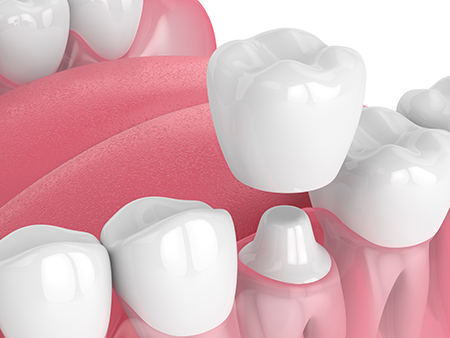
The process of placing a crown typically begins with a detailed examination and any necessary imaging to plan the restoration. Preparation involves shaping the tooth to create an ideal foundation, taking impressions or digital scans, and selecting the correct shade and surface texture. Precision at this stage determines how well the crown fits, how it contacts neighboring teeth, and how it performs under chewing forces.
Many practices now use digital scanning and CAD/CAM milling to design and fabricate crowns with high accuracy. Depending on the case, a temporary restoration may be provided while the final crown is produced. Upon delivery, the crown is checked for fit, occlusion, and appearance before it is bonded or cemented into place. We pay close attention to how the restoration interacts with the gum tissue to ensure a comfortable and hygienic outcome.
After placement, routine oral hygiene and regular dental visits help the crown last. Proper brushing, flossing around the margins, and addressing any parafunctional habits such as grinding can extend the life of the restoration. If a crown ever feels loose, becomes sensitive, or shows signs of wear, a clinical evaluation helps determine the correct next steps to preserve tooth health.

Every crown treatment we provide begins with thoughtful planning: assessing the tooth, the surrounding tissues, and how the restoration will work within your bite. We integrate modern diagnostics and proven restorative protocols to minimize surprises and deliver outcomes that meet both functional and aesthetic goals. This attention to detail reduces the likelihood of complications and supports longevity.
Technology plays a role, but so does craftsmanship. We collaborate with experienced dental laboratories and use materials that match the clinical requirements of each tooth. The result is a restoration designed to withstand normal function while appearing natural. Our team also provides clear guidance on home care and monitoring so patients can protect their investment and oral health over time.
With a focus on individualized care rather than a one-size-fits-all approach, we tailor each crown to the patient’s occlusion, cosmetic expectations, and long-term dental plan. That means fewer adjustments, better integration into the smile, and a restoration that helps preserve the tooth for years to come.
Our practice emphasizes careful diagnosis, conservative preparation, and the use of contemporary materials to produce natural-looking, durable restorations. Clinicians and staff work together to explain options clearly, align treatment with patient goals, and use digital tools when they improve precision and efficiency. That combination of clear communication and technical skill helps patients make informed decisions about their dental health.
We also place a strong emphasis on whole-health thinking — recognizing how a functional, comfortable bite supports eating, speaking, and overall wellness. Whether restoring a single tooth or coordinating restorative work as part of a broader plan, the aim is to deliver results that enhance daily life and reduce future complications.
Studio Dental Center for Advanced Dentistry brings these principles into every restorative case. Our team balances aesthetic concerns with structural needs to deliver crowns that perform well and look natural. If you’re considering a crown, we’ll walk you through the process and recommend the solution that best meets your long-term oral health goals.
In summary, ceramic crowns offer a reliable way to protect and restore teeth when significant structure is lost or when a durable, aesthetic solution is preferred. If you have questions about whether a crown is right for your situation or want to learn more about modern ceramic options, please contact us for more information.


A ceramic crown is a full-coverage dental restoration that encases a damaged or weakened tooth to restore its shape, strength and function. Unlike crowns with metal substructures, all-ceramic crowns are metal-free and rely on engineered porcelain or zirconia for structural support. This composition allows ceramic crowns to transmit light in a way that closely mimics natural enamel, producing a more lifelike appearance.
Ceramic crowns are selected for their combination of aesthetics and performance, and they are available in materials with different strength and translucency characteristics. Because they do not have a metal margin, ceramic crowns avoid the gray lines that can appear at the gumline of metal-based restorations. Clinicians choose ceramic options when visual integration with adjacent teeth and biocompatibility with soft tissues are priorities.
A ceramic crown is typically recommended when a tooth has lost significant structure due to decay, fracture or multiple large restorations, making a conventional filling unreliable. Crowns cap the remaining tooth to redistribute chewing forces and protect the underlying root, which reduces the risk of further breakage. They are also a common solution after root canal therapy when additional reinforcement is needed to preserve tooth integrity.
Other situations that call for a crown include replacing a failing restoration, restoring an implant abutment or anchoring a bridge. Cosmetic concerns that cannot be resolved with conservative treatments may also justify a crown when improved shape, size or shade is required. The decision always follows a clinical exam and imaging to ensure the crown will provide the best long-term outcome.
Contemporary ceramic crowns come in several material families, each with distinct strengths and aesthetic properties. Common options include lithium disilicate, leucite-reinforced pressable porcelains, monolithic zirconia and high-translucency zirconia. Lithium disilicate offers an attractive balance of translucency and reliable strength, while leucite-reinforced ceramics excel at fine surface detail and shade matching.
Monolithic zirconia provides exceptional toughness and is often chosen for posterior teeth or patients with heavy bite forces, whereas high-translucency zirconia improves appearance in visible areas without sacrificing much durability. The ideal material depends on the tooth's location, occlusal load and aesthetic demands, and the clinician will weigh these factors before recommending a specific ceramic system. Coordinating with a skilled dental laboratory helps ensure the final restoration meets both functional and visual goals.
Planning starts with a comprehensive clinical exam and diagnostic imaging to evaluate the remaining tooth structure, root health and the relationship with neighboring teeth. Many practices now use digital scanning and CAD/CAM workflows to capture precise impressions, design restorations virtually and mill or press crowns with high accuracy. This digital approach reduces manual steps and improves how well the crown fits and functions within the bite.
When indicated, technicians may layer porcelain or apply customized surface characterizations to blend a restoration with the patient's natural dentition. Communication between the clinician and laboratory about shade, occlusion and margin design is essential for predictable results. Temporary restorations are often used while the final crown is fabricated to protect the tooth and maintain appearance during the interim.
Crown treatment usually begins with tooth preparation in which the clinician removes any decayed or weakened material and shapes the tooth to create an appropriate foundation. After preparation, the clinician records color and takes impressions or digital scans, then provides a temporary crown when a laboratory-fabricated restoration is needed. The temporary protects the tooth and preserves function while the final crown is produced.
On delivery, the final crown is evaluated for fit, contact with adjacent teeth and occlusion, then bonded or cemented into place following adjustments as needed. Post-placement checks ensure the restoration interacts healthily with the gum tissue and that the bite feels comfortable. Routine home care and follow-up visits are recommended to monitor the crown and surrounding tissues over time.
Maintaining a ceramic crown starts with consistent oral hygiene: brush twice daily with a fluoride toothpaste and floss carefully along the crown margins to remove plaque and prevent gum irritation. Interdental brushes or water flossers can be useful for cleaning around bridges or implant-supported crowns where access is limited. Avoiding hard or excessively sticky foods on a newly placed crown helps reduce the risk of early damage while you adapt to the restoration.
Regular dental visits for professional cleanings and clinical evaluations are important to detect wear, recurrent decay at restoration margins or changes in occlusion early. If you notice sensitivity, looseness or any change in how the crown contacts opposing teeth, contact your dental team for an assessment. Addressing parafunctional habits such as grinding with a protective appliance can also extend the service life of ceramic restorations.
Bruxism and heavy occlusal forces are important considerations when selecting a crown material, because repetitive loading increases the risk of chipping or fracture. In many bruxism cases, monolithic zirconia is preferred for posterior teeth due to its superior fracture resistance and ability to withstand high bite forces. For visible areas, clinicians may balance strength and aesthetics by choosing high-translucency zirconia or reinforced glass ceramics while managing risks with occlusal adjustments.
In addition to selecting a robust material, protective measures such as a custom occlusal guard are commonly recommended to reduce wear and limit the forces applied to restorations. Careful occlusal design and regular monitoring help identify early wear patterns so adjustments can be made before significant damage occurs. The combined strategy of appropriate material choice and protective therapy improves the long-term success of crowns for patients who grind their teeth.
Ceramic crowns are frequently used on implant abutments and as individual retainers within fixed bridges, and they can be fabricated for either cement-retained or screw-retained implant restorations. When restoring implants, material selection and design must account for implant angulation, the connection type and access for screw retrieval if applicable. For bridges, the laboratory must precisely match occlusion and contour to ensure even load distribution across the span.
Successful implant- or bridge-supported ceramic restorations require close collaboration between the clinician and dental technician to optimize fit, emergence profile and contact relationships. Attention to margin design and soft-tissue health helps prevent complications around the implant or abutment. With proper planning and execution, ceramic restorations can provide functional, aesthetic results for both single-tooth implants and multi-unit fixed prostheses.
Ceramic crowns reproduce the translucency, surface texture and shade gradients of natural teeth more effectively than metal-based restorations, which often rely on an opaque metal substructure. Because ceramics allow light to pass through similarly to enamel, technicians can layer and characterize the surface to achieve subtle variations in color and luster. This makes ceramic crowns particularly well suited for anterior restorations where visual integration is critical.
Another aesthetic benefit is the absence of a visible dark margin at the gumline that can occur with porcelain-fused-to-metal crowns as gums recede slightly over time. Ceramic materials also provide a wide range of shades and stain-resistant surfaces, enabling durable color stability and a natural appearance. These qualities together help restorations blend seamlessly with adjacent teeth and support a more harmonious smile.
At Studio Dental Center for Advanced Dentistry we combine thorough diagnosis, digital planning and careful material selection to design restorations that meet each patient's functional and aesthetic needs. Detailed exams, occlusal analysis and digital scans or impressions guide the laboratory process so crowns fit accurately and perform well within the bite. When appropriate, we coordinate with experienced dental technicians to apply surface characterizations that integrate the restoration with natural dentition.
Follow-up care, patient education on oral hygiene and management of habits such as grinding further supports restoration longevity, and the team provides clear guidance on maintenance and monitoring. Under the supervision of Dr. Cynthia Bouchard-Lavenka, the practice emphasizes conservative preparation and evidence-based protocols to minimize complications and protect the underlying tooth for years to come. This combination of technology, craftsmanship and individualized care promotes predictable, long-lasting outcomes with ceramic crowns.

Ready to book your next dental visit or have questions about your care?
At Studio Dental Center for Advanced Dentistry, our team is here to make getting started simple and stress-free. Whether you call, email, or submit our online form, we’re happy to help with scheduling, treatment questions, or anything you need along the way. We take the time to listen and guide you through your options so you feel confident and informed at every step. Take the first step toward a healthier, more confident smile, reach out today and experience personalized care made easy.