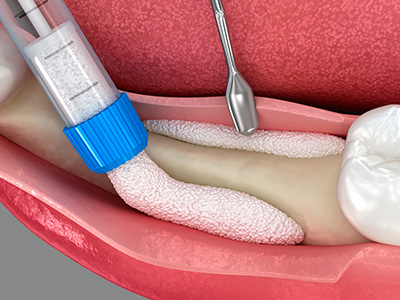
Bone grafting and bone reduction are advanced oral surgical procedures used to prepare and restore the jawbone for healthy, functional, and long-lasting dental treatment. At Studio Dental Center for Advanced Dentistry, these procedures are carefully planned to support treatments such as dental implants and to ensure the best possible foundation for long-term oral health. While they may sound complex, both procedures are commonly used in modern dentistry to rebuild, reshape, or enhance the bone structure of the jaw when needed.
Bone grafting is a procedure that helps restore or rebuild areas of the jaw where bone has been lost or is insufficient. Bone loss can occur due to missing teeth, gum disease, trauma, or natural resorption over time. When the jawbone is not strong enough, it may not be able to properly support treatments like dental implants. Bone grafting adds material to the area to encourage new bone growth, creating a stable and healthy foundation for future dental work.
The grafting material can come from different sources, including the patient’s own bone, donor tissue, or biocompatible synthetic materials. Over time, the body naturally integrates the graft and generates new bone in the treated area. This process strengthens the jaw and restores its structure, making it possible to proceed with restorative treatments that require a solid base.
Bone grafting is often recommended when there is not enough natural bone to support a restoration. One of the most common reasons is tooth loss. When a tooth is missing for an extended period, the jawbone in that area can begin to shrink due to lack of stimulation. Gum disease and infections can also contribute to bone deterioration. In these cases, bone grafting helps rebuild what has been lost and prepares the mouth for long-term stability.
This procedure is especially important in implant dentistry, where a strong foundation is essential for success. Without sufficient bone, implants may not integrate properly or could fail over time. Bone grafting ensures that patients who have experienced bone loss can still benefit from modern restorative solutions.
Bone reduction, sometimes referred to as alveoloplasty, is a procedure used to reshape or smooth areas of the jawbone. Unlike bone grafting, which adds material, bone reduction removes small portions of bone to create a more even surface. This is often done to prepare the mouth for dentures, implants, or other restorations that require proper fit and alignment.
Bone reduction can improve comfort, function, and aesthetics by eliminating irregularities or sharp areas in the jaw. It helps ensure that dental restorations sit properly and feel natural once placed. This procedure is typically performed with precision to preserve as much healthy bone as possible while achieving the desired result.
Both bone grafting and bone reduction play an important role in implant dentistry. Dental implants require a strong, stable jawbone to anchor securely. When bone is insufficient or uneven, these preparatory procedures help create the ideal conditions for implant placement. This not only improves the success rate of implants but also enhances their long-term durability and function.
By strengthening or reshaping the jawbone, these treatments allow patients who may have previously been told they are not candidates for implants to regain their eligibility. This opens the door to restoring missing teeth in a way that looks natural, feels comfortable, and functions like real teeth.
Bone grafting and bone reduction procedures are performed with careful planning and a focus on patient comfort. The process begins with a thorough evaluation, including imaging to assess the condition of the jawbone. Once a treatment plan is developed, the procedure is carried out with precision to ensure optimal results.
Healing times can vary depending on the extent of the procedure and individual healing ability. In the case of bone grafting, the body gradually integrates the graft material over several months. Once healing is complete, patients can move forward with restorative treatments such as implants or other long-term solutions.
Bone grafting and bone reduction are essential tools in modern restorative dentistry, helping patients regain both function and confidence. These procedures ensure that the foundation of the smile is strong, stable, and ready for long-lasting results. At Studio Dental Center for Advanced Dentistry, the focus is always on creating a healthy environment that supports both immediate treatment needs and long-term oral wellness.
By addressing bone structure when necessary, patients can achieve outcomes that are not only functional but also natural in appearance. Whether preparing for implants or improving overall oral health, these procedures play a key role in restoring smiles and improving quality of life.


Bone grafting is a surgical procedure that restores or rebuilds areas of the jawbone that have lost volume or density. The grafting material acts as a scaffold that encourages the body to generate new bone, which creates a stronger foundation for restorative work such as dental implants or long-term prosthetics. Over time the graft becomes integrated with the native bone, improving stability and function in the treated area.
The procedure is commonly used after tooth loss, following infection, or when bone has resorbed due to age or trauma, and it can be adapted to different clinical needs such as ridge augmentation, socket preservation, or sinus lifts. Treatment planning considers the location and amount of bone needed, the patient's overall health, and the desired restorative outcome. With proper planning and healing, grafting can make implant-based and other restorative options possible for patients who otherwise would lack sufficient bone support.
Jawbone loss can result from missing teeth, periodontal (gum) disease, tooth extractions, trauma, infection, or long-term lack of stimulation to the bone. Natural bone resorption begins soon after a tooth is lost, and the degree of bone loss can increase over months and years unless the area is preserved or augmented. Systemic factors such as smoking, uncontrolled diabetes and certain medications can also influence bone health and healing capacity.
Candidates for bone grafting are patients who need adequate bone volume for functional restorations, most commonly dental implants, or who desire improved ridge contours for dentures or prosthetics. A clinical exam and imaging, often including CBCT scans, determine bone quantity and quality and guide whether grafting is recommended. Your dental team will review health history and discuss whether grafting is an appropriate and safe option for your needs.
Grafting materials fall into several categories: autografts (the patient’s own bone), allografts (donor human bone), xenografts (processed animal bone) and alloplasts (synthetic biocompatible materials). Autografts are live bone and can encourage faster integration, while allografts, xenografts and alloplasts provide reliable scaffolds that avoid a second surgical site. Choice of material depends on factors such as the size of the defect, patient preference, surgical goals and clinical evidence supporting predictable outcomes.
In many cases the graft is used along with barrier membranes and sometimes biologic agents to support guided bone regeneration and improve the stability of the graft. Your clinician will explain the benefits and limitations of each option and recommend the material that best balances healing potential, predictability and surgical simplicity for your situation. The selected approach aims to optimize bone formation and long-term support for the planned restoration.
Bone reduction, often called alveoloplasty, is a surgical procedure that reshapes and smooths the jawbone by removing small amounts of irregular or sharp bone. It is commonly performed to prepare the mouth for dentures, to improve the fit and comfort of prosthetics, or to create a more favorable ridge contour before implant placement. The goal is to produce an even surface that reduces pressure points and enhances prosthetic fit and function.
This procedure may be recommended when bone irregularities would interfere with the seating of a denture or the placement of a restoration, or when removing bony prominences will improve oral comfort and hygiene. Planning relies on clinical examination and imaging to preserve as much healthy bone as possible while achieving the needed contour. Bone reduction is typically conservative and tailored to maintain overall jaw strength and future restorative options.
Both procedures begin with a thorough clinical exam and diagnostic imaging, frequently including CBCT scans, to assess bone volume, density and critical anatomical structures such as nerves and sinuses. The images allow the surgical team to map the precise location and amount of augmentation or reduction required and to determine whether additional procedures, such as a sinus lift or membrane placement, are necessary. Treatment planning also includes a review of medical history, medications and lifestyle factors that may affect healing.
During the consultation your clinician will outline the recommended approach, the anticipated healing timeline and any preoperative instructions to improve outcomes, such as smoking cessation or optimizing systemic health. Clear communication about goals and realistic expectations helps ensure the chosen plan supports long-term function and esthetics. When implants are planned, timing and sequencing of grafting relative to implant placement are carefully coordinated for the best chance of success.
Procedures are typically performed under local anesthesia with the option of conscious sedation or other comfort measures depending on patient needs and the extent of surgery. The surgeon exposes the bone through a small incision, places or reshapes bone as planned, and secures graft material and membranes when indicated to protect the site and promote regeneration. Incisions are closed to allow healing, and any necessary postoperative instructions and medications are provided before you leave the office.
Most grafting and reduction procedures are outpatient and designed to minimize tissue trauma while providing stable results. The surgical approach and duration vary based on the size and location of the graft or reduction, but your team will explain intraoperative steps and recovery expectations in advance. Careful technique and proper stabilization of the graft are important factors in predictable bone regeneration and patient comfort.
Healing time after bone grafting varies with the graft type, the size of the augmentation and individual healing capacity, but it commonly ranges from three to six months for substantial integration. Smaller or more localized grafts may consolidate faster, while larger ridge augmentations or sinus lifts often require extended healing before implants are placed. Your clinician will monitor bone maturation using clinical exams and imaging to determine the optimal time for proceeding with implant placement.
In some cases implants can be placed at the same time as a graft (immediate placement) if primary stability is achievable and the clinical situation is favorable. In other scenarios a staged approach is safer, allowing the graft to integrate fully before implant surgery. The chosen timing balances the goal of efficient rehabilitation with the need to maximize long-term implant stability and success.
As with any surgical procedure, bone grafting and bone reduction carry risks including infection, swelling, bleeding, graft exposure or partial graft failure, and temporary discomfort. Nerve irritation or altered sensation is rare but possible depending on the surgical site and proximity to nerve structures. Preoperative assessment, sterile technique and appropriate use of antibiotics or antiseptic measures help reduce the likelihood of infection and other complications.
If a complication arises, your dental team will address it promptly using evidence-based measures such as local care, medication adjustments, wound management or, when necessary, further surgical intervention. Close postoperative follow-up is important to detect and manage issues early. Patients are advised to follow all aftercare instructions and to report any unusual symptoms, persistent pain or signs of infection without delay.
Successful bone grafting and thoughtful ridge contouring directly improve the conditions needed for predictable implant integration and long-term function. A stable, well-vascularized bone bed supports osseointegration, reduces biomechanical stresses on the implant and helps achieve a natural emergence profile and esthetic result. Proper bone volume and architecture also make it easier to position implants in ideal locations that support prosthetic design and oral hygiene access.
While grafting and reduction are important steps, implant success also depends on surgical technique, prosthetic planning and the patient’s oral and systemic health. Maintaining good oral hygiene, attending regular follow-up visits and managing risk factors such as smoking or uncontrolled systemic disease are essential for preserving implant health over time. Together, these measures give patients the best chance for implants that function reliably for many years.
Preparation includes a preoperative review of your medical history, cessation of smoking when possible and following any medication guidelines provided by your clinician, such as temporary pauses for certain blood-thinning drugs when safe and appropriate. You may be advised to arrange transportation home if sedation is planned and to follow specific instructions about eating or fasting before the appointment. Clear communication about allergies, chronic conditions and recent medications helps the team plan a safe procedure.
Aftercare typically includes rest, application of cold packs to control swelling, gentle oral hygiene to keep the surgical area clean, and any prescribed medications to manage pain or reduce infection risk. Soft foods and avoiding strenuous activity for the initial healing period are commonly recommended, and follow-up visits are scheduled to monitor healing and determine when to proceed with the next phase of treatment. If you have concerns during recovery, contact the office promptly for guidance.
Bone grafting and reduction are performed by clinicians with training in oral surgery and implant dentistry, often working as part of a restorative team that includes the restorative dentist and support staff. A coordinated approach ensures that surgical planning aligns with prosthetic goals and that both immediate and long-term needs are considered. During your consultation the provider will review imaging, explain the recommended procedure, and answer technical questions to help you make an informed decision.
If you are considering grafting or ridge modification, schedule a consultation to discuss your case in detail and to learn about sequencing, expected outcomes and recovery. Studio Dental Center for Advanced Dentistry uses modern imaging and individualized treatment planning to evaluate candidates and tailor care. The team will help you understand clinical options and next steps so you can pursue a predictable path to restoration.

Ready to book your next dental visit or have questions about your care?
At Studio Dental Center for Advanced Dentistry, our team is here to make getting started simple and stress-free. Whether you call, email, or submit our online form, we’re happy to help with scheduling, treatment questions, or anything you need along the way. We take the time to listen and guide you through your options so you feel confident and informed at every step. Take the first step toward a healthier, more confident smile, reach out today and experience personalized care made easy.